Europe

Europe News
Support grows for using Russian assets in €140 billion loan to Ukraine
- The new plan, which is still in early stages, would go further and transfer the entire cash balances from Euroclear to the Commission.
- The Commission would then issue a €140 billion loan to Ukraine, disbursed gradually over time and subject to conditions.
Ukraine would be asked to repay the so-called "Reparation Loan" only after Russia agrees to compensate for the damages caused.
Afterwards, the Commission would repay Euroclear, and Euroclear would repay Russia, completing the circle.


Uploaded: Jun 7, 2024 · 6 Likes
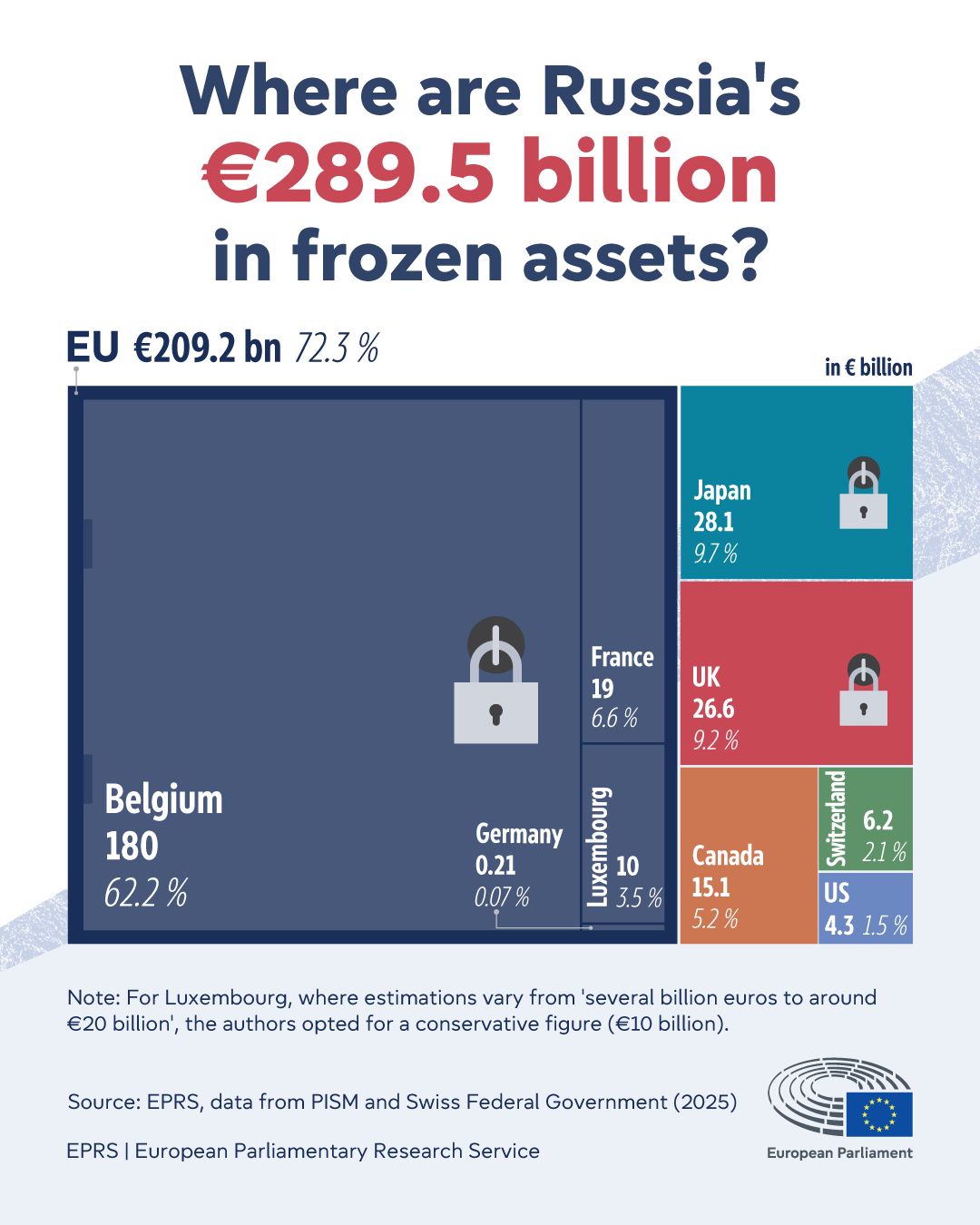
For over two years since Russia’s invasion of Ukraine, debates have been ongoing as to whether Russia’s state assets frozen (or “immobilised”) across the G7 should be transferred to Ukraine. Despite ...
More

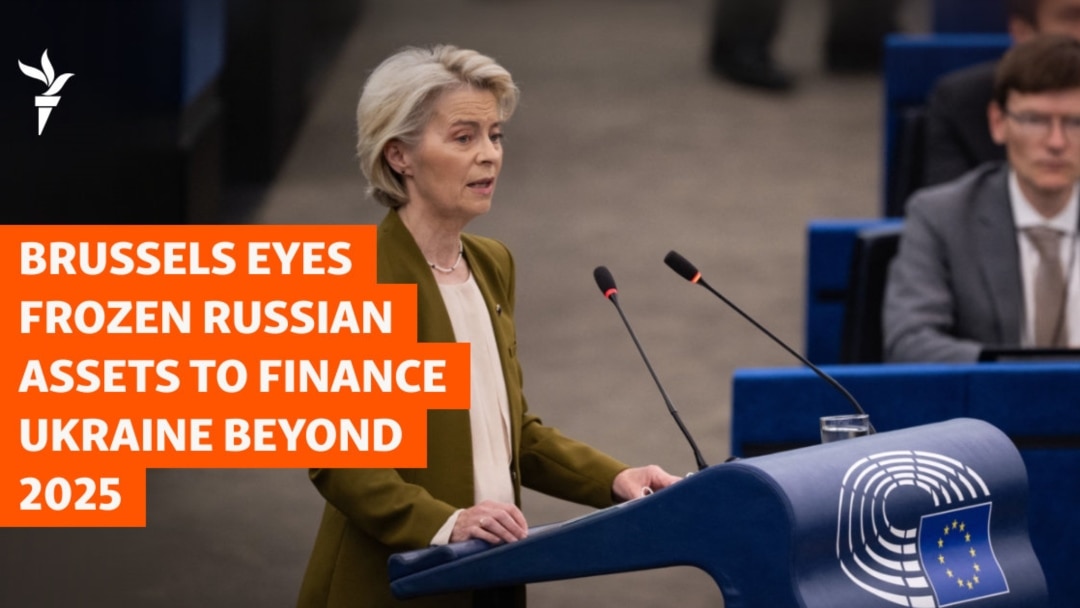
Ursula von der Leyen, who attended the summit, stressed this would not be the case.
"We are not confiscating the assets," the Commission president said.
Question marks
So far, the Commission's plan, presented last week to member states in a two-page document, consists of broad concepts that require additional work.
- Beyond the blurry line between transfer and confiscation, the executive has to clarify how the potential financial risks will be shared between the 27 member states.
- If there is no consensus to use the EU budget as the ultimate guarantee, the Commission's preferred option, each participating country will have to put forward its own safeguard based on economic weight, further complicating the scheme.
Belgium, which hosts Euroclear, has voiced particular concern about the scenario of a multi-billion-euro lawsuit and negative repercussions for the economy.
European Central Bank President Christine Lagarde has expressed similar worries.
Voting rules are an additional headache. As of today, EU sanctions have to be renewed by unanimity every six months.
This means that, in theory, any member state could veto the prolongation, unfreeze the assets and derail the entire loan, leaving the bloc liable.
As part of the plan, the Commission suggests activating Article 31.2 of the EU treaties to switch from unanimity to a qualified majority. The article, though, says that any country can oppose the switch for "vital and stated reasons of national policy".
A previous attempt to change the periodicity of sanctions renewal was blocked by Hungary, leaving the norm at six months


EU leaders fail to resolve most of key issues at Denmark summit — Politico

- According to them, European leaders spoke a lot about defense and ran beyond the scheduled two hours, "taking twice that time."
- However, "little of substance emerged," with most of key issues remaining unanswered, Politico wrote.
Copenhagen hosted an informal EU summit on October 1. Later on Thursday, a meeting of the European Political Community will be held in the Danish capital.


No comments:
Post a Comment