“It is the most complex geopolitical and geo-economic backdrop we’ve
seen in decades,” WEF President and CEO Borge Brende said ahead of a
meeting of the multilateral forum in the northern Chinese city of
Tianjin.
The meeting comes hard on the heels of the United States' involvement
in the Iran-Israel conflict and follows months in which the global
economy has been battered by a tariff war launched by US President
Donald Trump.
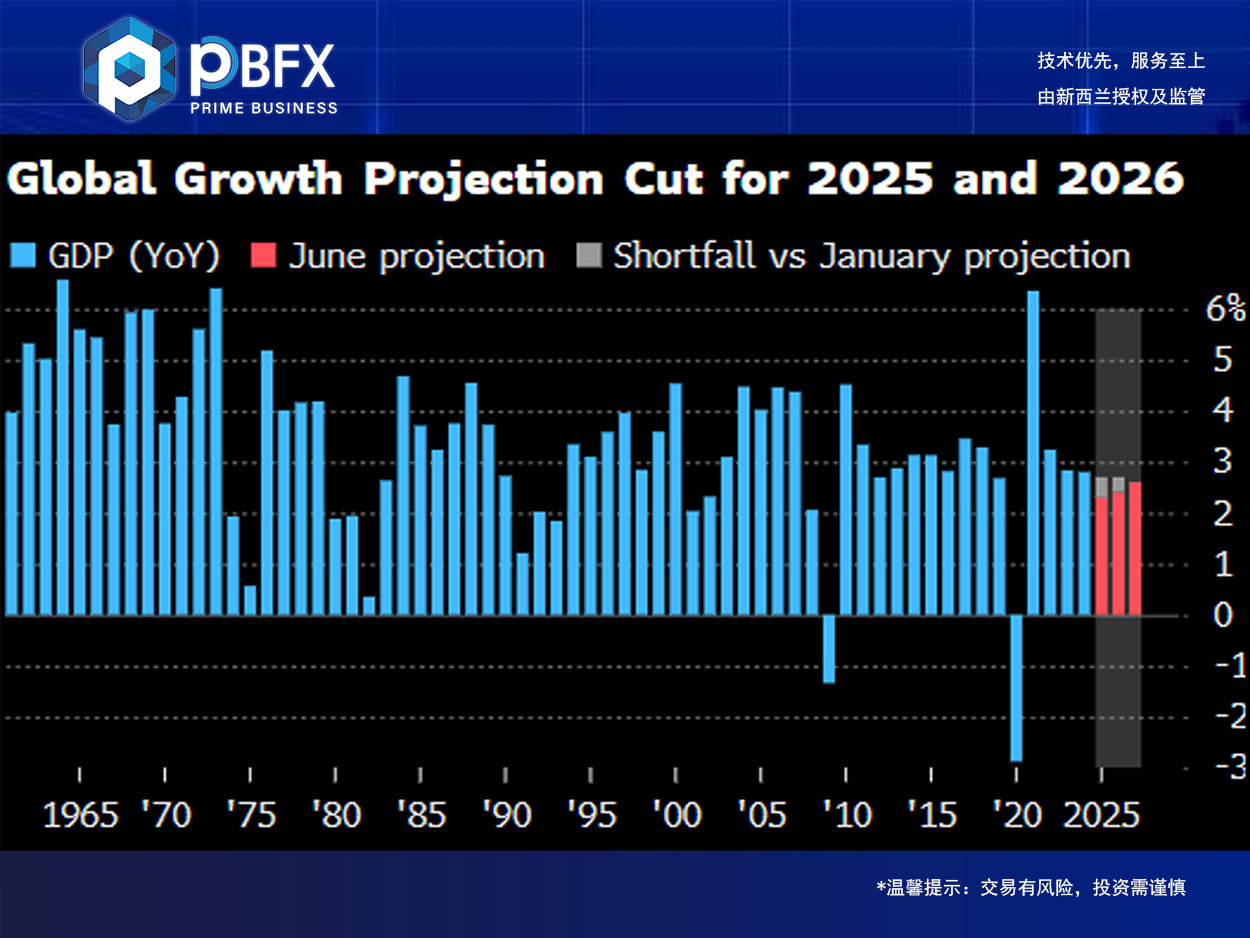
This month, the World Bank cut its forecast for global growth this
year from 2.7% to 2.3%, following a similar reduction by
the International Monetary Fund.
Brende told AFP it was still too soon to predict the impact of Trump's swingeing tariffs.
It is "too early to say what these tariffs will end with because the negotiations are still ongoing", he said.
"I think the jury is still out, but the traditional globalisation we saw is now changed into a different system," he said.
"That is a new chapter... especially since trade was the engine of growth."
Brende also warned mounting conflict could have a "very negative impact" on global growth.
'China matters'
The WEF gathering in Tianjin comes at an uncertain juncture for the
Chinese economy, which has struggled under a years-long property sector
crisis and sluggish domestic spending.
- "China really does matter," Brende said, adding he expects the
country to account for almost 30 percent of global growth this year.
- "China is pivoting its economy more towards digital trade, towards
services and also now opening up for increasing domestic consumption --
something that is important," Brende said.
. . .But many economists
remain sceptical that the Chinese economy can achieve the government's
official growth target for this year of around 5%
With the tumultuous trade war threatening shipments from the
manufacturing powerhouse, Beijing is looking to emerging technologies
such as artificial intelligence as potential sources of future growth.
- "In the past, trade was the driver of growth, but you cannot exclude
that new technologies including AI can... maybe replace the important
role that trade had", Brende told AFP.
- While trade will remain "very important", he said, disruptive
technologies can provide the productivity boost needed to "avoid a
decade of sluggish growth".
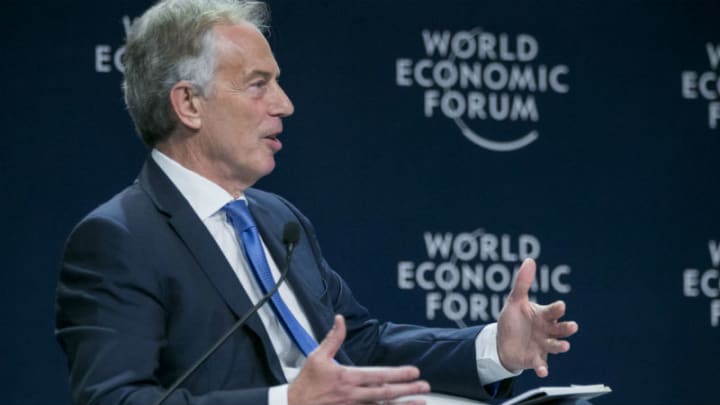
Attendees bustled around a cavernous conference hall in Tianjin on
Tuesday ahead of talks with a lineup of speakers that includes former UK
Prime Minister Tony Blair.

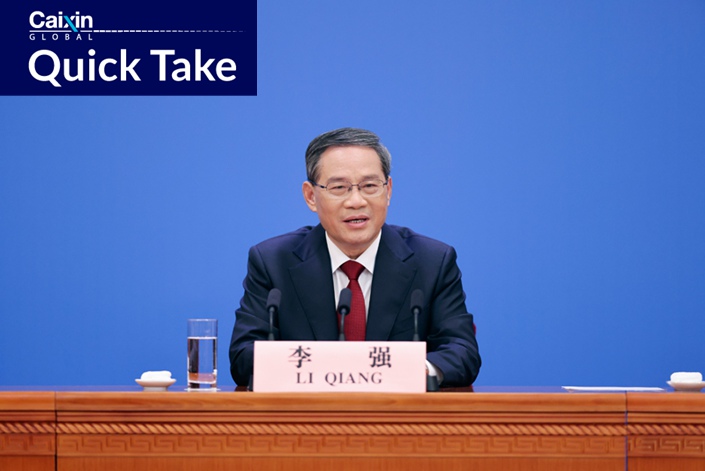
Chinese Premier Li Qiang is expected to deliver a keynote speech on Wednesday.
WEF meeting iTianjinos.” Chinese Premier Li Qiang on Wednesday.
Yes,
Chinese Premier Li Qiang is confirmed to attend and deliver the opening
address at the World Economic Forum's (WEF) 16th Annual Meeting of the
New Champions 2025 in Tianjin, China
.
Key details about the event:
- Location: Tianjin, China.
- Dates: June 24-26, 2025.
- Theme: "Entrepreneurship for a New Era".
- Focus:
The future of entrepreneurship and innovation amid a dynamic global
landscape, with a focus on how innovation and entrepreneurship can
reinvigorate global growth and resilience.
- Attendees:
Over 1,700 participants from more than 90 countries, including top
political leaders, business leaders, academics, and media
representatives.
This
event, also known as "Summer Davos", brings together global leaders to
discuss pressing global challenges and explore entrepreneurial solutions
to those challenges