The U.S. Air Force has confirmed that it conducted its final planned end-to-end test launch of a live AGM-183A Air-Launched Rapid Response Weapon hypersonic missile, or ARRW, earlier this week. A B-52H bomber flying from the highly strategic U.S. Pacific island territory of Guam fired the missile.
Whatever the exact outcome of the March 17 test was, ARRW's future is uncertain, as The War Zone has previously reported in depth.
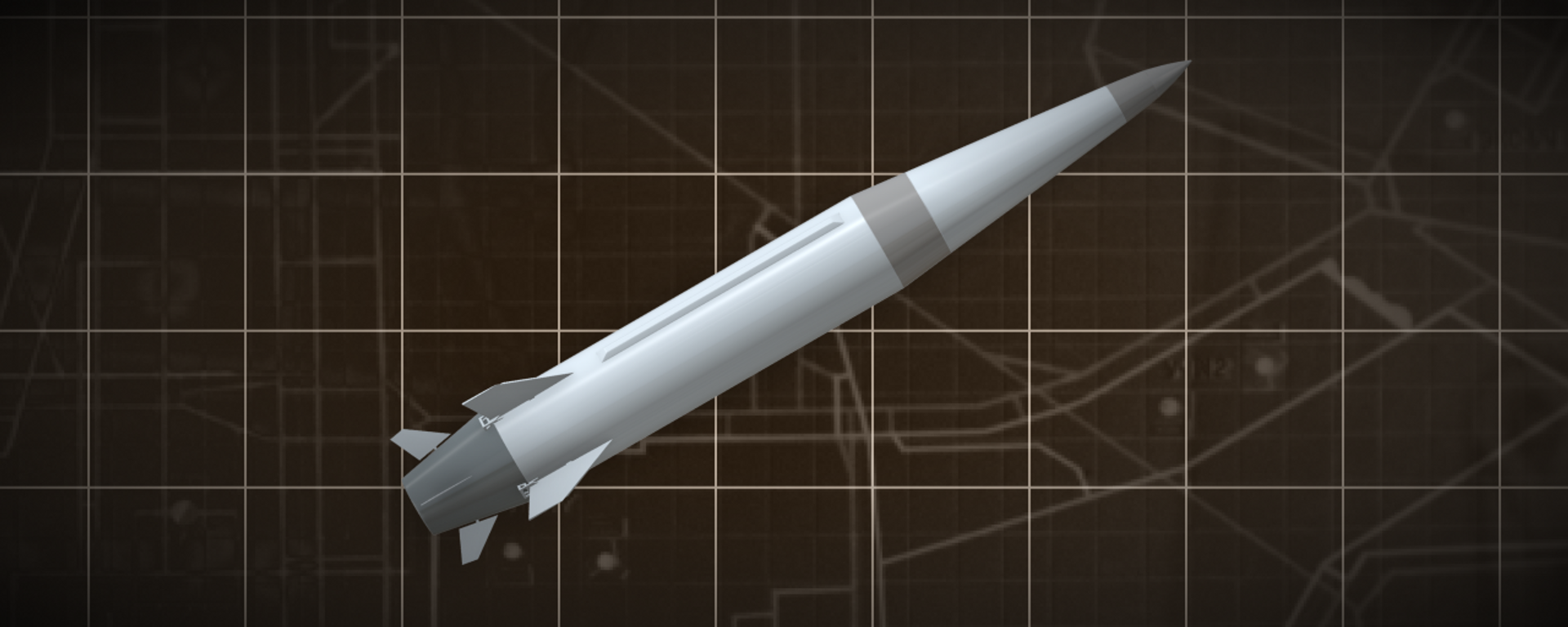


Unprecedented U.S. Hypersonic Weapons Test From Guam Has Occurred
The final planned live-fire test of an AGM-183A hypersonic missile is major show of force toward China, though the weapon’s future is murky.
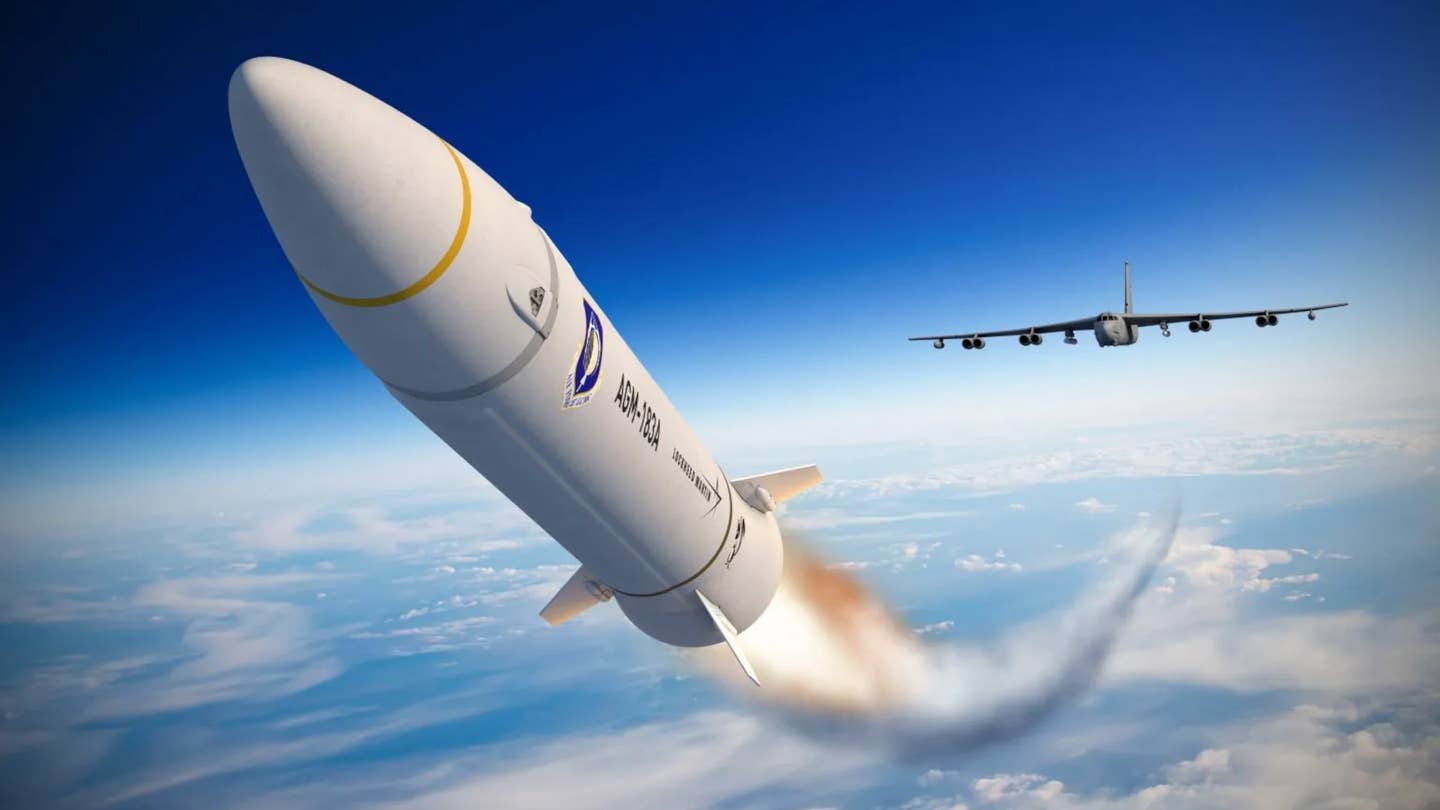
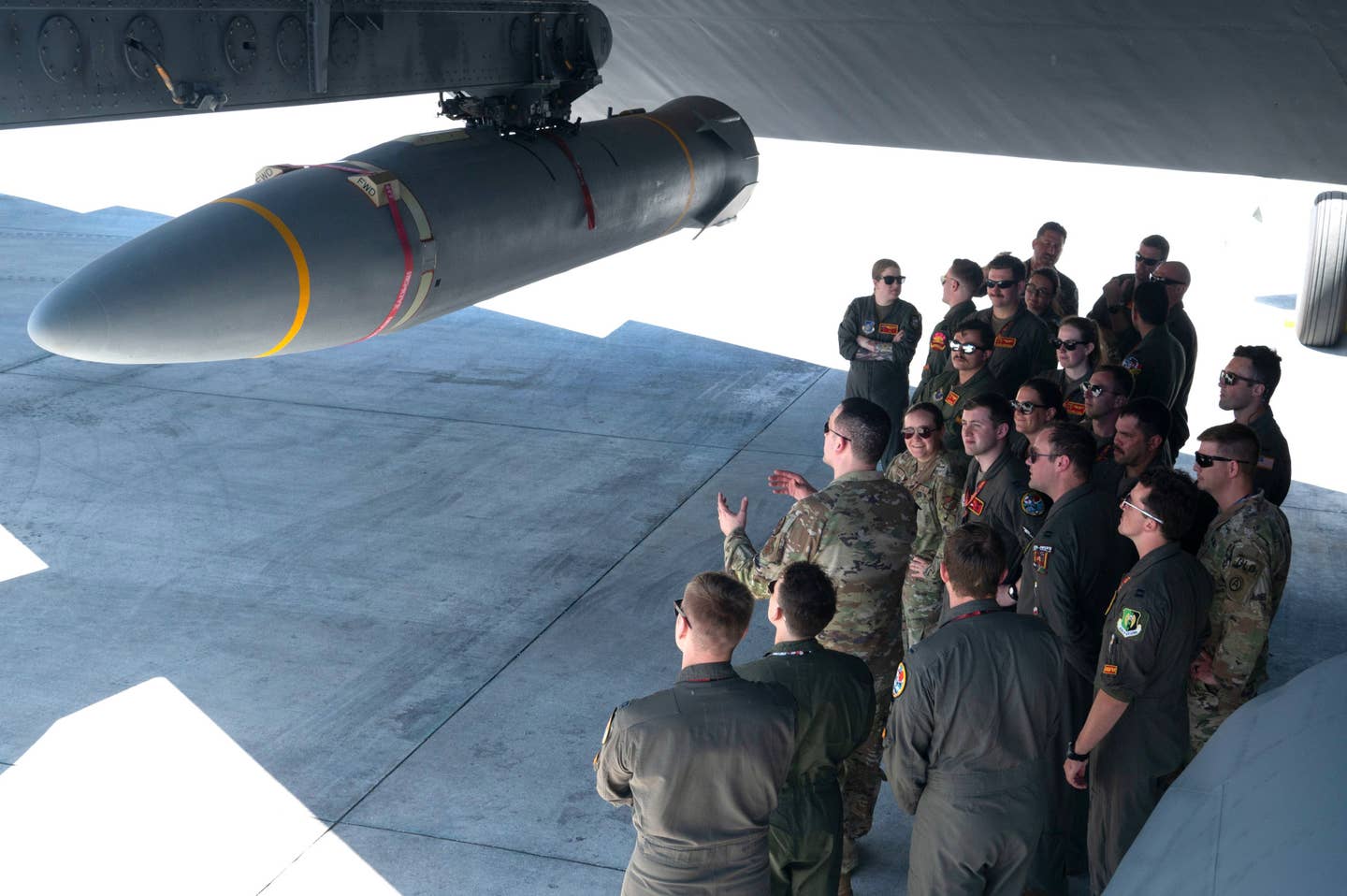
The War Zone was the first to predict this test was coming after the Air Force curiously released pictures of a live AGM-183A at a show-and-tell training event at Guam's Andersen Air Force Base in late February.
This is the first time an ARRW missile, or any other known American hypersonic weapon, has been test launched in this region.
As such, the test sends signals across the Pacific, especially toward China.
At the same time, this comes as ARRW's future continues to be murky with signs pointing to a potential follow-on program, which may already be in progress.
“A B-52H Stratofortress conducted a test of the All-Up-Round AGM-183A Air-launched Rapid Response Weapon," an Air Force spokesperson told The War Zone in a statement. "This test launched a full prototype operational hypersonic missile and focused on the ARRW’s end-to-end performance The test took place at the Reagan Test Site with the B-52 taking off from Andersen Air Force Base, Guam on March 17, 2024 local time."
- The Reagan Test Site consists of various facilities spread across multiple islands at Kwajalein Atoll in the Republic of the Marshall Islands.
- The site is one of the U.S. military's premier missile test ranges and is regularly used to support the testing of very long-range munitions, including hypersonic weapons like ARRW.
Andersen Air Force Base on Guam is a key U.S. military hub in the Western Pacific and the Air Force's main base for staging long-range bomber operations in the region.
- It would play a central role in any future major conflict in the region, including one against China.
- U.S. hypersonic weapons, which are expected to be very expensive and acquired in relatively limited numbers, would be particularly valuable in a high-end fight for conducting conventional strikes against very high-value and heavily defended targets.
- These could include major air defense and other command and control nodes.
There had already been evidence that the ARRW test had occurred on or about March 17 based on the appearance and then cancellation of various warning notices.
- Online flight tracking data also showed signs the test was finally about to happen, including specially modified High Altitude Observatory (HALO) Gulfstream business jets operating in relevant areas.
- The HALO aircraft have supported past ARRW flight tests.
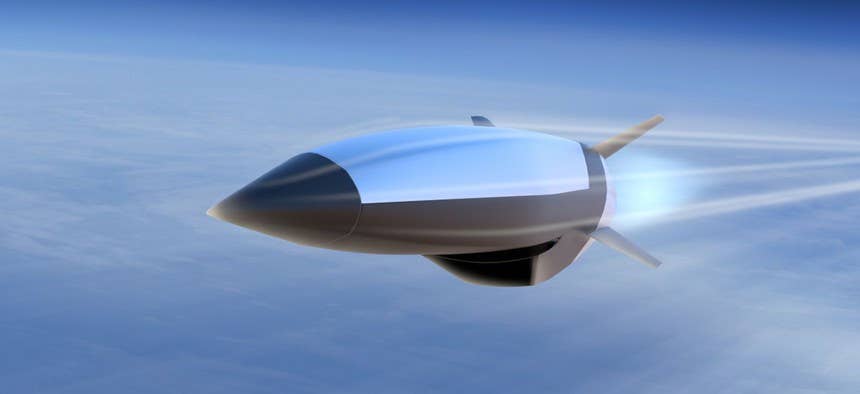
The Air Force has subsequently appeared on multiple occasions to be backtracking on its ARRW decision, despite the program still being officially set to come to an end this year. There are now signs that the service could be looking at a follow-on air-launched hypersonic boost-glide vehicle program, if it isn't already in the works.
Whatever the case, the Air Force has now completed its final planned end-to-end test of an ARRW missile, which it has said will inform its future hypersonic weapon plans.


No comments:
Post a Comment