Intelligence for the New World Economy


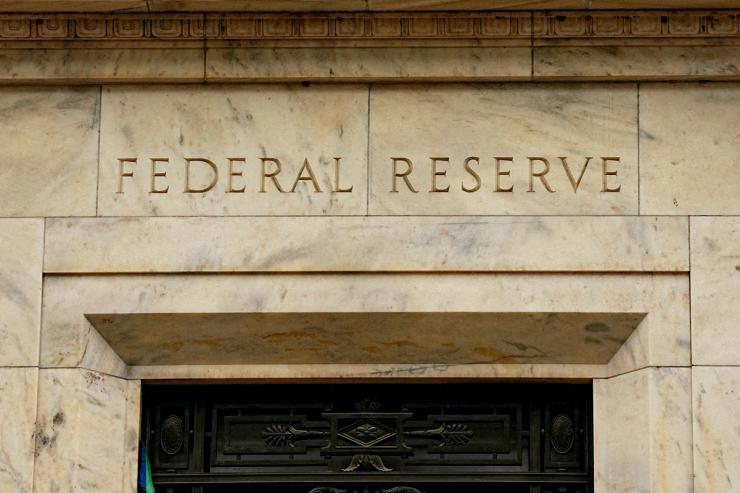
The Federal Reserve, widely expected to lower interest rates Wednesday for the third time this year, kicks off its two-day meeting today.
- growing internal divisions over the best path forward; the Trump administration’s ongoing search for the next Fed chair;
- a looming Supreme Court ruling on the president’s ability to fire independent agency officials; and, of course,
- President Donald Trump’s continued campaign for dramatically lower interest rates as he seeks to make life more affordable for Americans.

(Bloomberg) -- The bond market’s reaction to the Federal Reserve’s interest-rate cuts has been highly unusual. By some measures, a disconnect like this, with Treasury yields climbing as the central bank lowers rates, hasn’t been seen since the 1990s.
What the divergence indicates is a matter of heated debate. Opinions are all over the place, from the bullish (a sign of confidence that recession will be averted) to the more neutral (a return to pre-2008 market norms) to the favorite culprit of the so-called bond vigilantes (investors are losing confidence the US will ever rein in the constantly swelling national debt).

More from Semafor Washington, DC
- Senator has ‘grave doubts’ about Netflix-WBD deal
- GOP governor criticizes Trump’s efforts to block wind energy: ‘Disappointing’
- AI regulation delays plague Congress
- Obamacare more popular with Americans than ever, poll finds
- Congress lines up defense bill for possible vote this week
- Senate Republicans divided over expiring health care subsidies
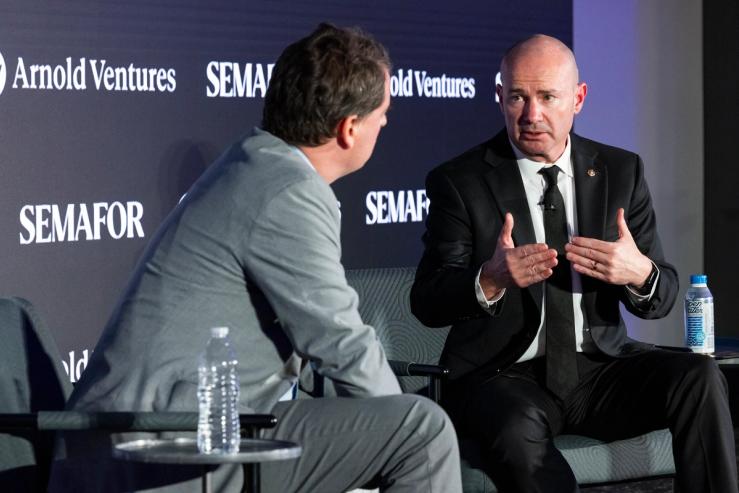
- Lee, a member of the Senate Judiciary Committee, also said there would be hearings on the proposed deal.
- Three people he met with said investors walked away reassured by what they saw from Ellison and his top team.
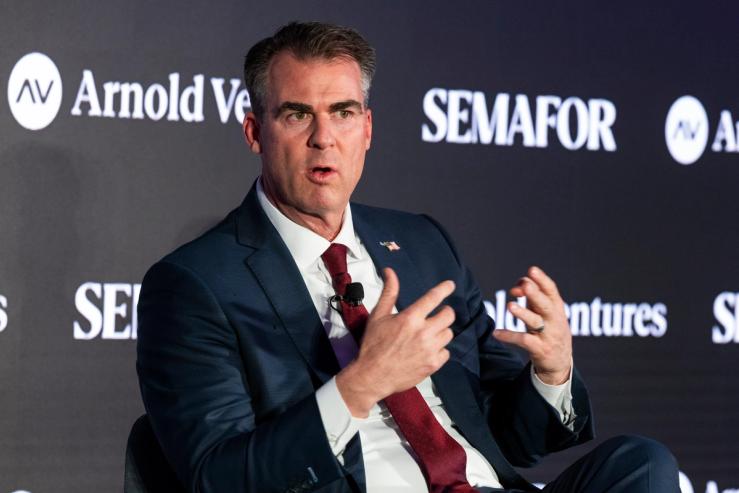
“It’s very disappointing,” Stitt told Semafor’s Ben Smith when asked about the administration’s efforts to kill wind projects, like a nearly-finished project in Rhode Island and Connecticut.
“That just looks like politics when you’re canceling those.”
Stitt said he has raised the issue in conversations with Energy Secretary Chris Wright. “We’ve got to be agnostic on these issues,” he continued.

Still, there’s reason to be skeptical, after a bipartisan deal passed out of the Senate last year only to be blocked by the House.
Heinrich, the top Democrat on the committee, said he is “optimistic that this is a space where we’re more aligned than maybe some of the other spaces.” He added that he’s more worried about the Trump administration’s action stopping projects than about Congress’ lack of agreement on the issue of permitting reform.

President Donald Trump’s tease of his executive order aimed at banning state artificial intelligence regulations is a clear message to Congress: If it won’t make policy, then he will.
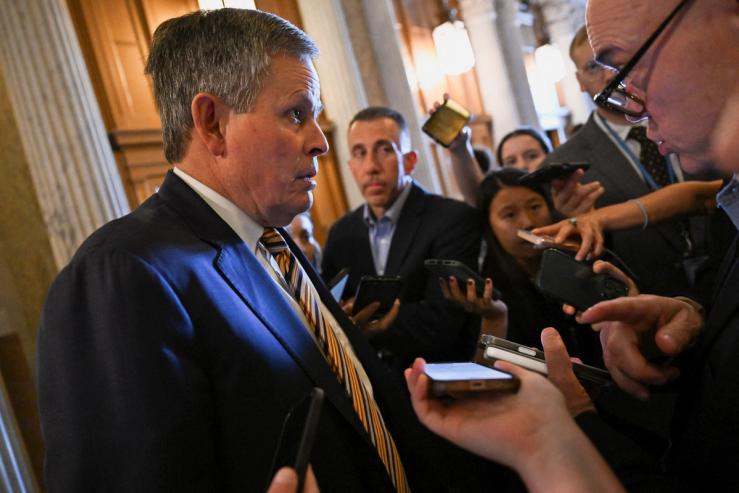
“We’ve got senators for sure who have very thoughtful views on both sides of the issue. I’d rather see Congress sort this out,” Sen. Steve Daines, R-Mont., told Semafor.
The AI moratorium divides the GOP — that’s why Trump didn’t get it in the defense policy bill — but Trump’s unilateral move could prompt action.
In fact, the whole imbroglio can be traced back to congressional inaction.


No comments:
Post a Comment