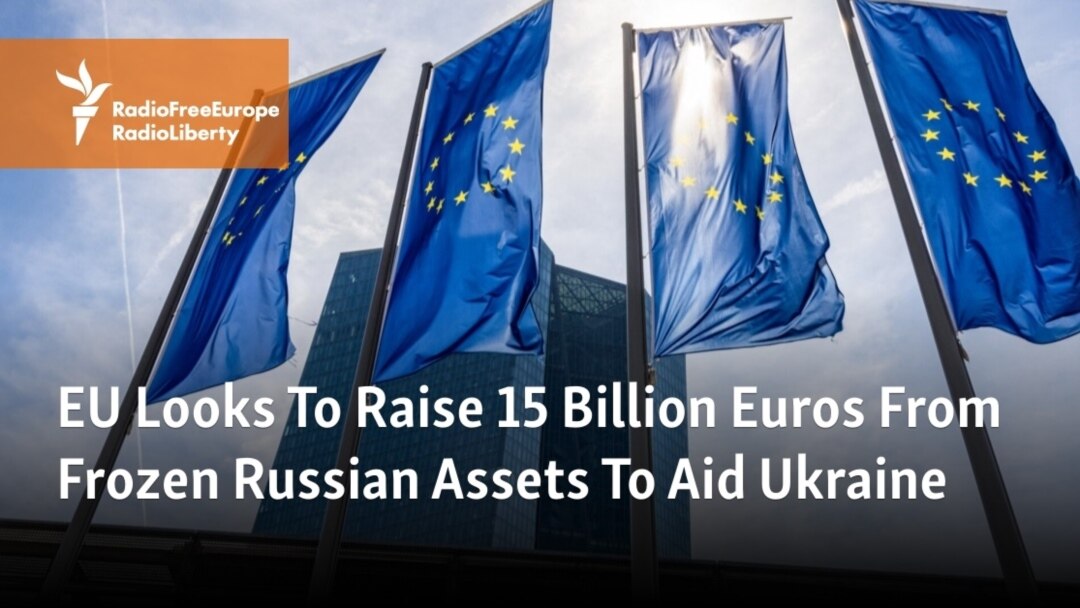
EU Eyes Frozen Russian Assets For Rearming Ukraine
The European Union is inching closer to a historic decision to use windfall profits accumulated by frozen assets in the bloc belonging to the Russian Central Bank and sending them to Ukraine.
- The assets were frozen shortly after the full-scale invasion of Ukraine in February 2022 and have remained so since.
- It is estimated that roughly 260 billion euros ($281 million) in securities and cash belonging to Central Bank of Russia have been frozen, out of which 210 billion euros are in the European Union and the rest in other Group of Seven countries and Australia.

- This means no one was objecting -- so far -- but it also means that its far from a done deal, as the 27 EU member states must study the commission proposal and give a unanimous green light.
The proposal, seen by RFE/RL, notes that the first step of the process, the setting aside of profits, started as of February 15, when the abovementioned decision entered into force: "the central securities depositories (CSDs) are prohibited from disposing of these profits, or distributing them to shareholders, until the [European] Council decides on the financial contribution to be raised on them to support Ukraine."
The money accumulated after this is estimated to be somewhere between 2.5 billion to 3 billion euros ($2.7 billion to $3.2 billion).
- The European Commission hopes that this money can be sent to Ukraine by July, provided that member states give a thumbs-up in the coming months.
- There is also hope that comparable sums can be sent each year after that, depending on annual interest rates, and that those future payments can be sent twice a year to Ukraine.
Now, there are a number of "assurances" in the commission proposal for member states worried that this move could be a seizure of private property -- a fundamental right -- or damage the bloc's common currency, the euro.
- 3% of the profits of the frozen assets will remain with the CSDs "to ensure the efficiency of their work" and
- they can also in the future provisionally retain 10% of the contribution to finance potential legal fees in case Russia would drag them to court -- which is expected.
Several EU officials dismiss the fear that this move will damage the euro and its position as the second reserve currency in the world. The fact that Brussels has pondered this move for several months already without any impact on the common currency in terms of trading or value is cited as one example.
- The other is that other G7 countries are mulling similar moves.
- Then there is the proposal of how the money should be spent, which gives member states even more potential overview -- and even veto opportunities.

Now, the 10 percent is proposed to be channeled via the regular EU budget, so it doesn't need an explicit green light from any member states.
But the 90% should go via the European Peace Facility (EPF), an EU off-budget vehicle that has allowed Brussels to send cash for arms to Ukraine.
The EU has so far sent 5.6 billion euros in arms and artillery to Kyiv in the last two years via the EPF but has for the last 10 months failed to sign off on another 500 million-euro tranche after a long-standing Hungarian veto.
- The veto stems from a dispute with Kyiv around a blacklist produced by Ukraine's National Agency on Corruption Prevention.
- On that list, the Hungarian bank, OTP, is labeled an "international sponsor of war," as it continues to do business in Russia.
- Recently the EPF ceiling was topped up by 5 billion euros specifically ring-fenced for Ukraine, paving the way for even more EU cash for weapons to Ukraine.
- This means that national vetoes, like Hungary's, are still possible for future tranches.
- And it means that the windfall profit from frozen Russian Central Bank assets may not end up in Ukraine anytime soon.

US proposes $50 billion bond to support Ukraine with frozen Russian assets
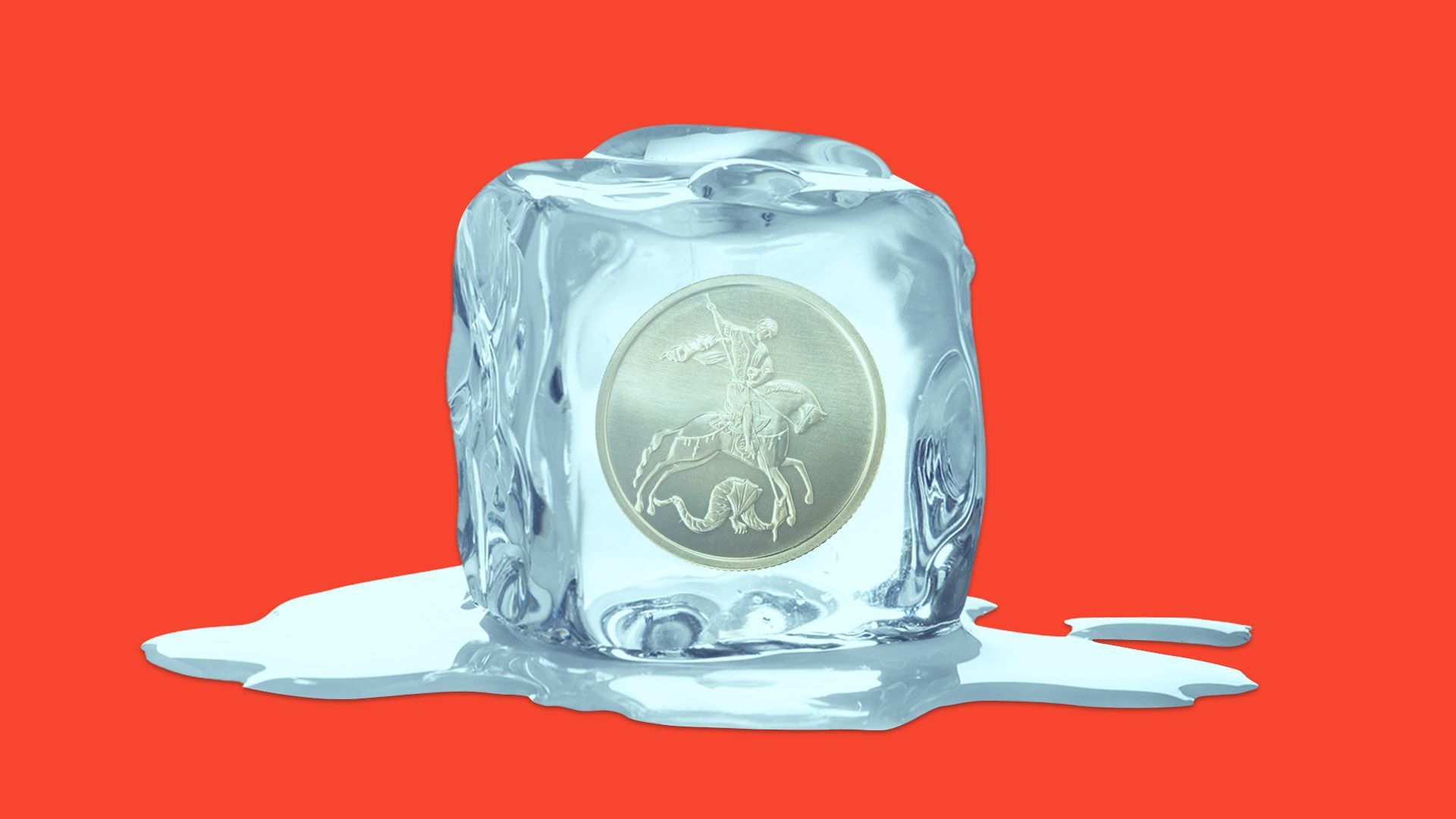

US proposes mechanism to G7 to raise US$50bn for Ukraine from Russian assets

- More than two-thirds of frozen Russian assets are blocked in the EU, where they bring about US$3.6 billion in net income annually.
- Proceeds from a potential bond offering would almost equal the US$60 billion of American aid stuck in Congress.
- Some EU countries, specifically Estonia, urged the allies to be bolder and seize these assets.
- Earlier, the G7 stated that the assets would remain frozen until Russia agrees to pay Ukraine for the damage it had caused.
- The US argument is to come up with a solution that would maximise the income from frozen assets and provide for the value of the windfall profits in order to deliver more support to Ukraine faster.
- Austrian Chancellor Karl Nehammer stated that Vienna opposes the idea of using the revenue from frozen Russian assets to fund the armament for Ukraine.
- At the same time, Chancellor of Germany Olaf Scholz and Prime Minister of Belgium Alexander De Croo approve the idea of using income from Russian assets to purchase weapons for Ukraine.
US proposes $50 billion bond to support Ukraine with frozen Russian assets

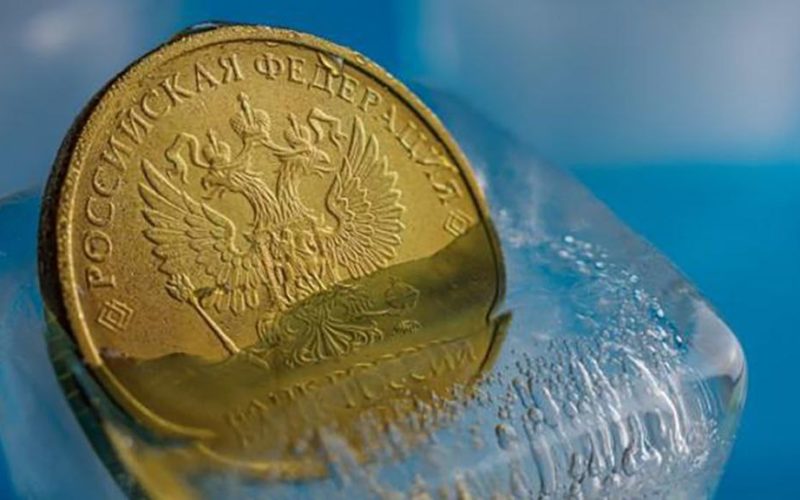
The US has suggested to its Group of Seven (G7) allies the creation of a special purpose vehicle (SPV) to issue at least $50 billion of bonds, backed by profits from frozen Russian sovereign assets, to support Ukraine, Bloomberg reported, citing sources familiar with the plan. The proposal aims to pool the $280 billion of Russian central bank assets frozen by G7 countries and the EU, using the profits to back the so-called freedom bonds.
- More than two-thirds of Russia’s frozen assets are in the EU, generating around $3.6 billion in net profits annually.
- The proceeds from the proposed bond offering would nearly match the $60 billion of US aid currently stalled in Congress.
- The initiative comes at a critical time, as Western allies face challenges in funding Kyiv amidst artillery shortages and Russian advances in the east.
According to Bloomberg, the proposal aims to pool the $280 billion of Russian central bank assets frozen by G7 countries and the EU, using the profits to back the so-called freedom bonds.
Some G7 nations, including Germany and France, have expressed caution over the new proposal, while others, like Estonia, have advocated for bolder measures, such as outright seizing the assets. The G7 has previously stated that the assets will remain frozen until Russia agrees to compensate Ukraine for damages.

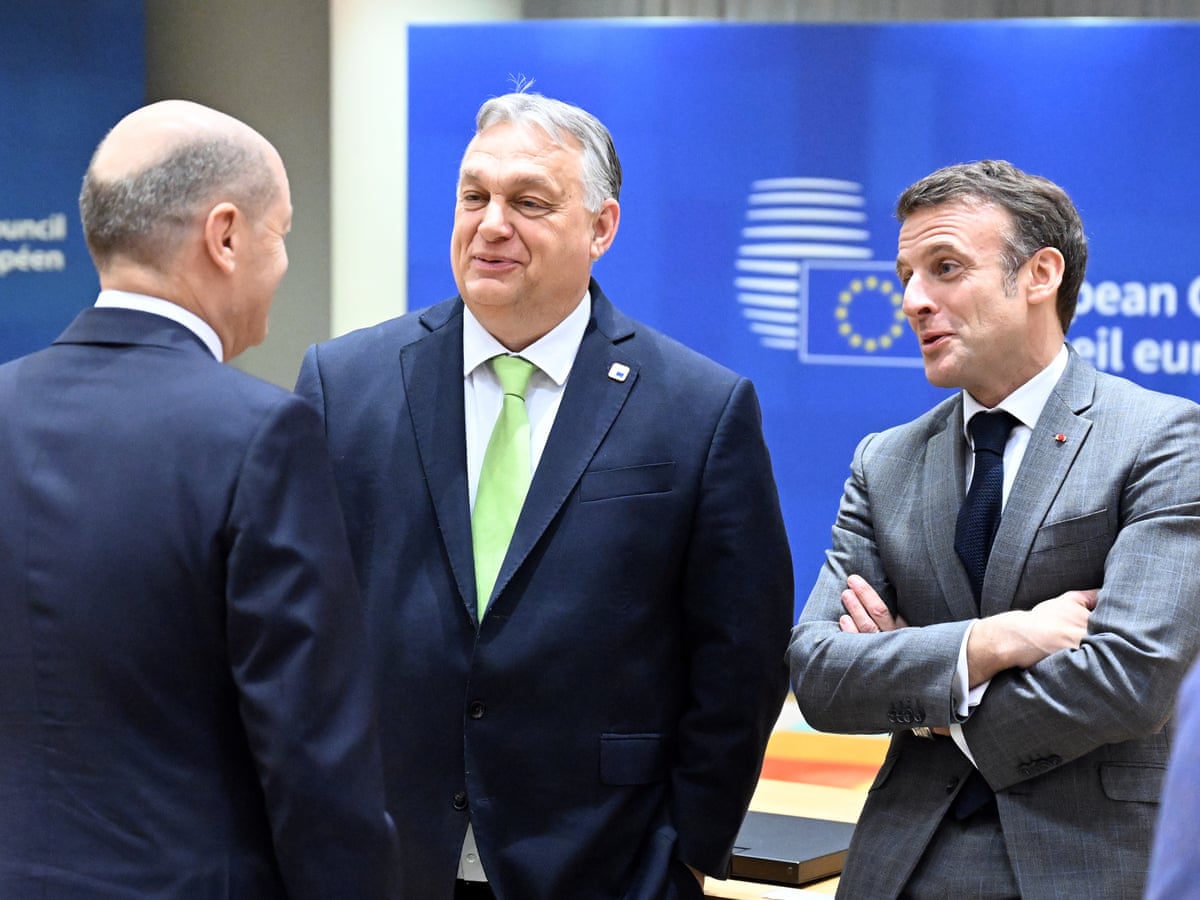
- EU leaders are discussing using the profits from the frozen assets to support Ukraine’s military needs, with plans to transfer the majority of windfall profits to the European Peace Facility and a smaller portion to the regular EU budget’s Ukraine facility.
- The US is pushing for an option that maximizes revenue from the frozen assets to provide quick support to Ukraine.
Read also:
- Austrian chancellor opposes using profits from frozen Russian assets to finance weapons for Ukraine
- EU aims to send €3bn annually for Ukraine from frozen Russian assets profit
- British foreign secretary proposes to loan all frozen Russian assets in UK to Ukraine
- UK’s Sunak calls for bolder seizure of frozen Russian assets, two years into war



PREVIOUS RELATED CONTENT ON THIS BLOG

.jpg)
Meet Victoria Nuland: The Neo-Con Queen Who For the Past Eight Years Has Manufactured World War III
24 November 2023
Arming Ukraine: How War forced the EU to Re-Write Defense Policy
‘F**k the EU’: Nuland’s decade-old Maidan quip has never been more true
At the height of the 2014 coup in Ukraine, Washington’s ‘Maidan midwife’ uttered a phrase that has held true ever since

". . .Ten years ago, we began a new chapter in our struggle. Ten years ago, Ukrainians launched their first counteroffensive. Against lawlessness and an attempt to rob us of our European future. Against unfreedom. Year after year, step by step, we make every effort to ensure that, among the other stars on the EU flag, which represents the unity of European nations, our star shines as well. The Ukrainian star,” Zelensky tweeted.
Except that, in reality, it’s been a full ten years now of “f**k(ing) the EU,” as US State Department fixture Victoria Nuland was caught saying back then in a leaked conversation with then ambassador to Ukraine, Geoffrey Pyatt.


No comments:
Post a Comment