.gif)
Waste Water

As Microsoft ramps up efforts to conquer the artificial intelligence industry, its latest sustainability report shows that its water use and carbon emissions have shot up dramatically.
The software giant increased its water use from 6.4 million cubic meters in 2022 to 7.8 million cubic meters in 2023. And its emissions jumped from around 12 million metric tons of carbon in 2020 to about 15 metric tons last year, mostly stemming "from the construction of more datacenters" and indirect carbon footprint from "building materials, as well as hardware components such as semiconductors, servers, and racks."
Microsoft has lofty goals to become carbon negative by 2030 — pledging to use greener tech, materials and processes — while pursuing aggressive water replenishment projects. But that's going to be tough as it continues its pursuit of AI dominance, including a high-profile partnership with OpenAI and immense new energy needs.
Energy Vampire
This is the same problem confronting the rest of the AI industry: building water- and energy-hungry datacenters to fuel the AI boom comes at the expense of our already overburdened planet.
28 July 2022
PROTOTYPE PROTON EXCHANGE MEMBRANE
Let's see about this
Can hydrogen fuel cells power Microsoft data centers?
There’s hype around ‘green’ hydrogen

Microsoft has reached a new milestone in its effort to ditch diesel in favor of cleaner energy at its data centers. The company announced today that it successfully tested a hydrogen fuel cell system powerful enough to replace a traditional diesel-powered backup generator at a large data center.
As part of its plans to tackle climate change, Microsoft wants to completely quit using diesel as fuel for its backup power systems by 2030. To keep data centers running 24/7, regardless of power outages, each center is equipped with batteries that temporarily kick in until backup generators are fired up.
For now, those generators run on diesel, releasing air pollutants and greenhouse gas emissions. Hydrogen fuel cells, in contrast, combine hydrogen and oxygen to generate electricity and release heat and water instead of pollution. Big batteries can also run on clean energy but generally don’t have the capacity to power a data center for more than a few hours at best.
That’s why Microsoft is pretty excited about hydrogen as a fuel and the milestone it just reached: designing and testing a three-megawatt hydrogen fuel cell system that can power around 10,000 computer servers at a data center (or 600 homes, for comparison).
“What we just witnessed was, for the datacenter industry, a moon landing moment,” Sean James, Microsoft director of data center research, said in a blog post today.
It’s been a long journey to get to this point, and there’s still a long road ahead before all of the backup generators at Microsoft data centers can be pollution-free. Microsoft started tinkering around with fuel cell technology in 2013. But, at the time, the fuel cells it was working with still relied on natural gas.
:no_upscale()/cdn.vox-cdn.com/uploads/chorus_asset/file/23906378/090A1273.jpg)
By 2018, the company had turned its attention to proton exchange membrane (PEM) fuel cell technology that can run on pure hydrogen. But Microsoft says it couldn’t find any suppliers making PEM fuel cell systems large enough for its data centers. So Microsoft asked Plug Power, experts in hydrogen fuel cell systems, to build a custom one. Microsoft and Plug tested the system over several weeks in June. After successfully testing the prototype, Plug is working on creating a streamlined commercial version. Microsoft says it will install the system at a research data center next, with no specified target date yet for introducing the technology at one of its live data centers.
There’s a whole lot of hype around hydrogen as a cleaner alternative to fossil fuels right now. The Biden administration has an $8 billion plan to build out hydrogen production “hubs” in the US, for example.
But that hype is also garnering some criticism. While hydrogen fuel cells might only produce heat and water, the process of making the hydrogen fuel itself can get dirty. Today, most of it is made with natural gas, a fossil fuel. Microsoft tested its prototype using so-called “blue hydrogen,” which is made with natural gas paired with carbon capture technology that’s supposed to draw down most of the carbon dioxide emissions that come from using fossil fuels.
In the future, Microsoft hopes to use only “green” hydrogen that’s made with renewable energy instead of fossil fuels. But that’ll likely depend on factors outside of Microsoft’s control — like whether the Biden administration and other governments prioritizing clean energy can bring a lot more renewable energy online, build out the infrastructure to produce and transport green hydrogen, and make green hydrogen cost-competitive with dirtier fuels.
05 July 2019
Mesa LalaPaLooza: All The Hype That's Fit-to-Print > Data Hub

It is time for a TIME OUT.
Here's the most recent low-key report on all of Google's Data Centers with no over-the-top exaggeration, even though a press release from the City of Mesa News Room took pains to issue a carefully-worded announcement immediately after last Thursday's public meeting stating it was not a done deal. That's quite a different slant from Giles stating "In terms of a financial deal, this is home run. This is a great day."
_______________________________________________________________

 In recent years, the Alphabet subsidiary has been investing heavily to expand its computing infrastructure around the world. It’s been spending billions every quarter on network and data center construction to support its products for regular internet users – things like Search, Maps, YouTube, and Gmail – but even more so to scale the Google Cloud platform that provides computing services to enterprises.
___________________________________


infrastructure has been concentrated in the Midwest and in the South, but the company’s pursuit of a greater share of the cloud market (dominated by Amazon Web Services and Microsoft Azure) appears to be driving a need for more capacity in the west.
This April, Google announced plans to build data centers to support a new cloud availability region in Salt Lake City, and last July it announced the launch of a Los Angeles region. The Nevada data center will also host a new availability region for Google Cloud.
_________________________________________________________________________
Related: Cloud Giants Continue Pouring Billions Into Data Centers
_________________________________________________________________________

Google doesn’t expect to finish the first phase if the Mesa data center until 2025, according to a report by AZ Central.
What's omitted from the Data Center Knowledge report two days ago is this tentative and conditional statement:
"Google is considering acquiring property in Mesa, AZ., and while we do not have a confirmed timeline for development for the site, we want to ensure that we have the option to further grow should our business demand it ."_________________________________________________________________________________

The Las Vegas and Salt Lake builds are part of a $13 billion investment in new US offices and data centers the company announced earlier this year.
Google suggested that customers will be able to distribute their workloads across up to four regions in the west, once Las Vegas and Salt Lake come online (it expects to launch both next year).
Each new infrastructure region is also meant to target industries that are concentrated in its corresponding population center –
- 1 gaming and entertainment in Las Vegas
- 2 Hollywood in L.A.
- 3 healthcare, IT, and financial services in Salt Lake
- 4 _____________________________ in Mesa???
Reference: https://www.datacenterknowledge.com
The data center will be built on 187 acres of farmland in the Elliot Road Technology Corridor, which already has five existing or planned data centers. Construction is expected to begin within five years, with the first part of the data center projected to be in place by 2025.
 That led Mayor John Giles to declare the deal a "home run."
Arizona Republic Mesa approves deal for $1 billion Google data center

05 September 2023
BUSY AS BEES: Utah-Based Data Center Developer Purchased 165 Acres for $62.7M in Mesa..CEO Wes Swenson was the Sole Bidder

The company will begin finalizing a plan for the site;
- it aims to have plans before the city planning & zoning board by Q1 2024
- and could break ground in 2025.
Novva DC acquires 165 acres of land in Mesa, Arizona, at auction
CEO Wes Swenson the sole bidder for the land
Novva Data Centers has acquired a parcel of land in Mesa, Arizona, at auction.
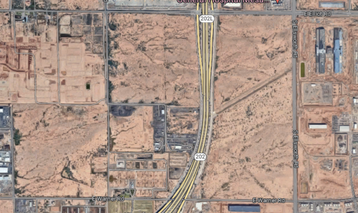
BizJournal and AZCentral reported the company acquired 165 acres of state land in southeast Mesa for $62.7 million this week.
- "I thought with the location of this land there might be a few more bidders, so I'm a bit surprised.
- It's anticlimactic," Swenson told BJ.
- "You do a lot of preparation prior [bidding on] a piece of land like this and of this size."
- "Our plan would be to attempt a design-build and operate data centers at the property.
- We practice water-free air cooling, so we still need to do more research on its viability. ...
- That's one of the uses.
- The other might be industrial."

The CEO told AZCentral Novva could invest up to $5 billion over a seven-year period.
- “We're excited. This is a big, big market we’ve been trying to get into,” he told the publication.
- “We think this would be a great opportunity to do a green approach to data centers where it's maybe not been done [here before].”
Novva was launched in 2020 by former C7 CEO Wes Swenson with $95 million from CIM, initially with plans to develop a $1 billion hyperscale campus in West Jordan, Utah.
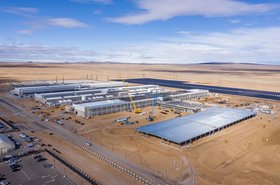
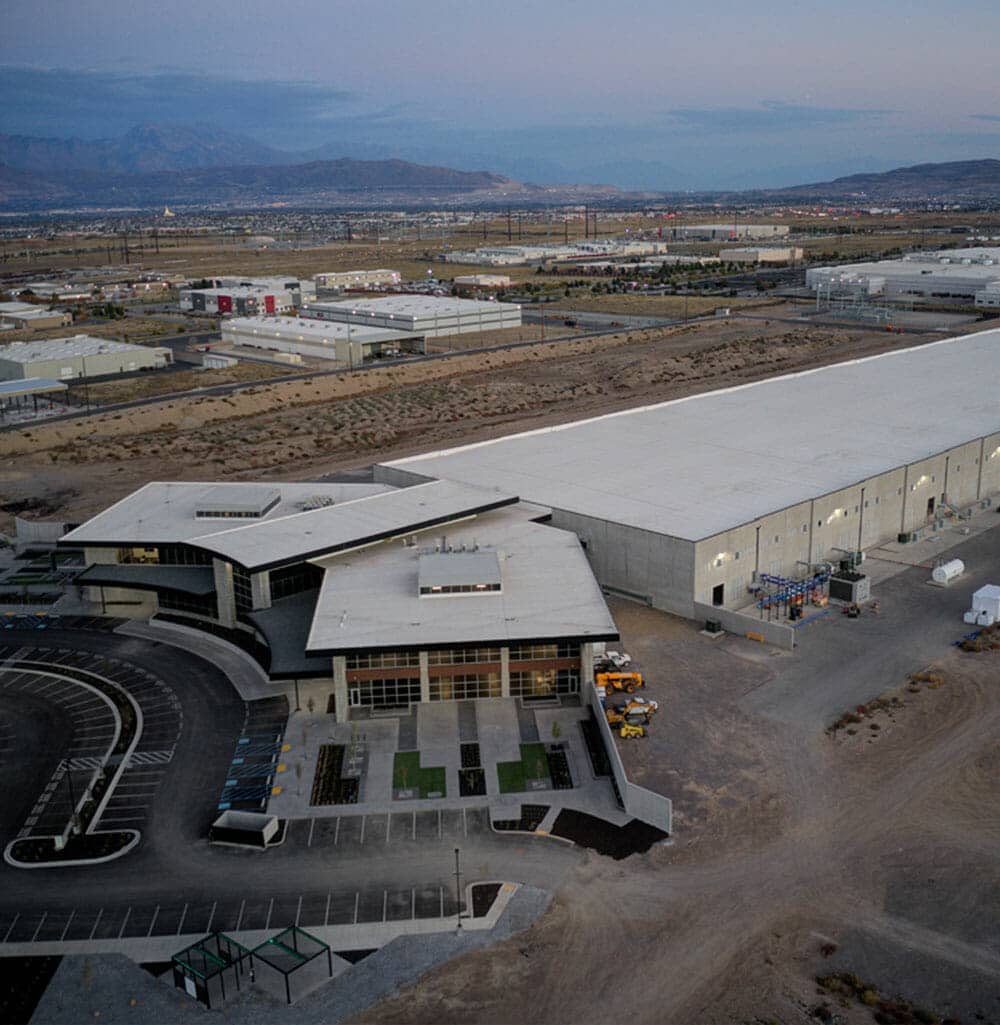
- The company opened the 300,000 square foot (28,000 sqm) first phase of that campus late last year, and targets growing the facility to 1.5 million sq ft (140,000 sq m) over four phases.
- The company has since acquired a 6MW facility in Colorado Springs and announced plans to expand it to 30MW for $200m.
- 2022 also saw Novva announce plans for a 275,000 square foot (25,550 sqm), 100MW data center in Las Vegas.
- Earlier this year the company announced plans for a 60MW data center in Reno, Nevada that is set to open in 2024.
- Last year saw the company raise another $355 million from CIM Group.
- Novva plans to expand across the United States and expects to offer 1,000MW of data center capacity by 2027 at several yet-to-be-named locations.
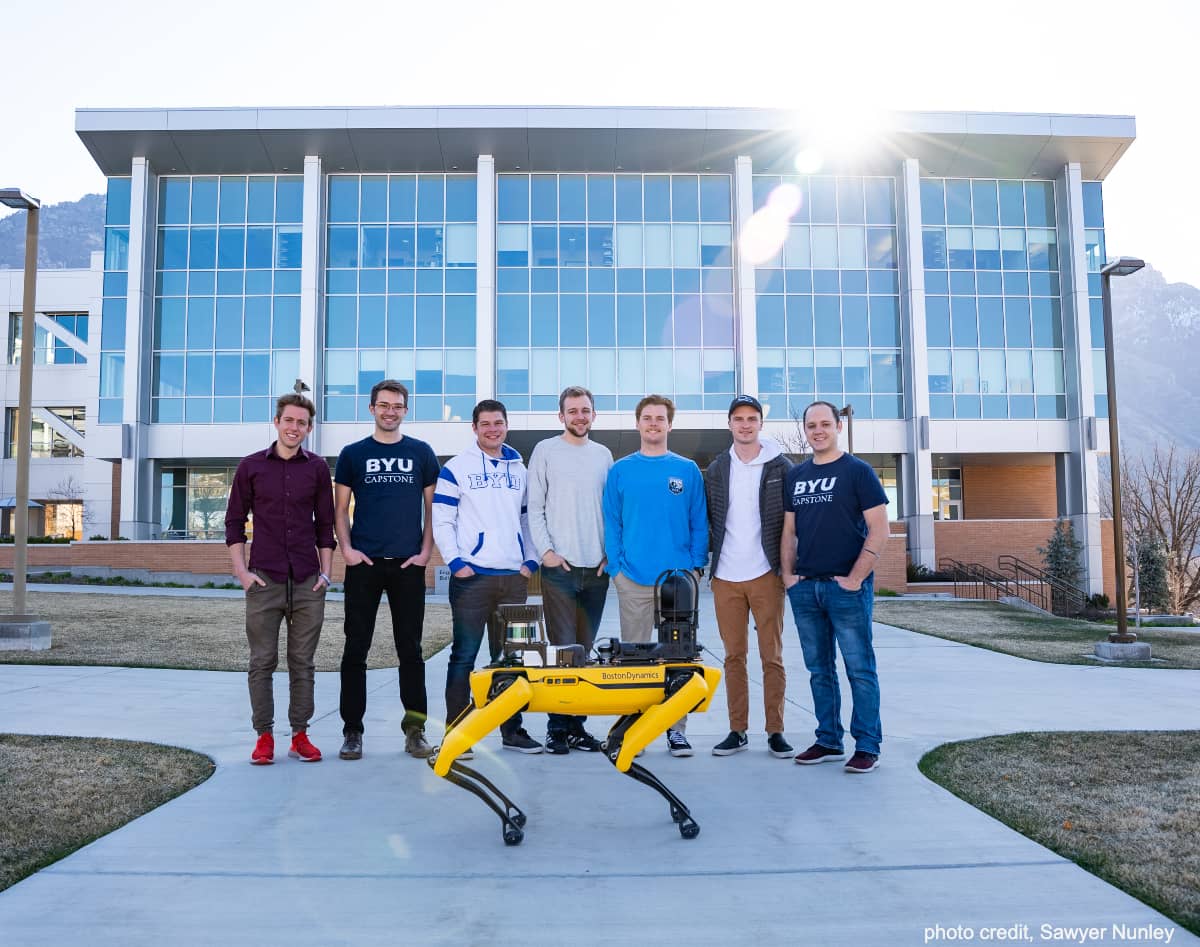
The company utilizes autonomous aerial drone security and robotic dog monitoring at its sites.
- Stack,
- Stream,
- Prime,
- Aligned,
- Iron Mountain,
- Vantage,
- Compass,
- QTS,
- EdgeConneX,
- Expedient, and
- H5 are all present.
__________________________________________________________________________________
Utah-Based Data Center Developer Purchased 165 Acres for $62.7M in Mesa
Article originally posted on AZ Central on September 1, 2023
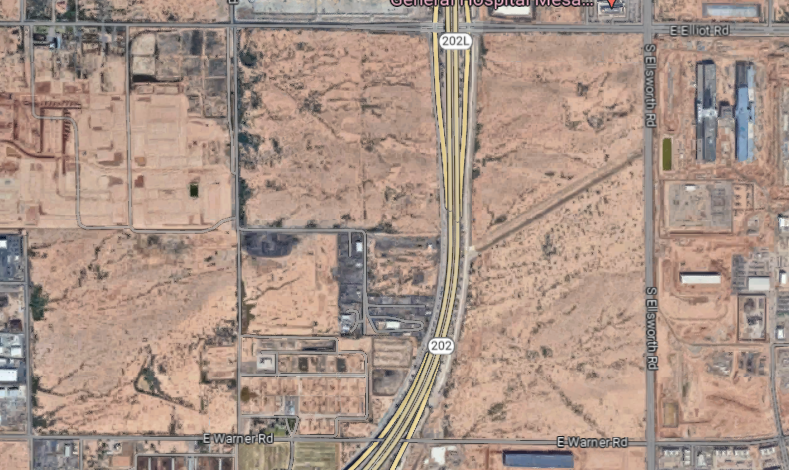
Wes Swenson, the CEO of Novva Data Centers, was the sole bidder at Tuesday’s auction for the parcel along Warner Road and Loop 202, located within the Hawes Crossing master planned community on more than 1,000 acres.
- The company already has data centers in Utah, Nevada and Colorado.
- This project will be NovvaDC’s entrance to Arizona.
- Swenson said metro Phoenix is the second-largest market for data center development.
- East Mesa has seen a boom in data center development including big names like Google, Apple and Meta all located in the city.

- The plan is to have the project reviewed by the city’s planning and zoning board in the first quarter of 2024 and break ground in 2025.
- Swenson said, Novva is focused on environmentally friendly methods like using waterless air-cooling technology.
- “We think this would be a great opportunity to do a green approach to data centers where it’s maybe not been done” before here, he said.
- Another technique Swenson plans to apply is atmospheric water generation which takes water from the air and turns it into potable water.
- The parcel of land is already zoned for this type of development.

“From street view, you’ll barely know there are data centers there,”
__________________________________________________________________________________


![GreenerData | Author Spotlight] Novva Data Centers' Wes Swenson](https://www.jsa.net/wp-content/uploads/2022/04/Wes-Swenson.png)


No comments:
Post a Comment