Live Science is one of the biggest and most trusted popular science websites operating today, reporting on the latest discoveries, groundbreaking research and fascinating breakthroughs that impact you and the wider world.
We believe that science can help explain the things that matter to you and shine a light on everything from the mysteries of our universe to the inner workings of an atom. Our team of experienced editors and science journalists are here to guide you through the most important stories with clarity, authority and humor.
Whether you’re interested in dinosaurs or archaeology, weird physics or astronomy, health, human behavior or the mysteries of our planet — for those with a curious mind, your journey of discovery begins here.
Planet Earth
Space

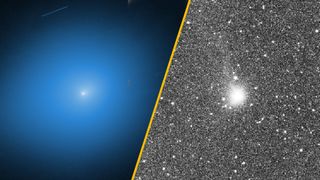
New 3I/ATLAS images show the comet getting active ahead of close encounter with Earth
By Brandon Specktor published
NASA and ESA both shared new images of the interstellar comet 3I/ATLAS this week, as the agencies gear up for the mysterious object's closest approach to Earth on Dec. 19.
World of science

Science Spotlight
Discover the research changing our understanding of the world

Space photo of the week
Extraordinary images of our sublime universe

Life's Little Mysteries
Science questions, answered

Live Science crossword puzzle
Test your knowledge on all things science with our weekly, free crossword puzzle!

Science quizzes
Test your knowledge of everything from space to nature

Amazing animals
A look at the weird and wonderful species that live on our planet

Diagnostic dilemma
Unusual case reports from the medical literature

Incredible places
A window onto extraordinary landscapes on Earth

Astonishing artifacts
A glimpse into how people lived in the past

Earth from space
Incredible images of our planet from above
Health

Science history: Female chemist initially barred from research helps helps develop drug for remarkable-but-short-lived recovery in children with leukemia — Dec. 6, 1954
By Tia Ghose published
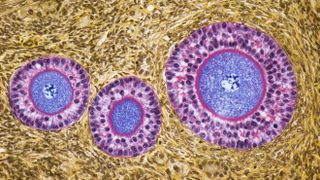
In December 1954, Gertrude Elion and colleagues described a new compound they had developed that sent children with leukemia into remission. It would guide a new approach to "rational drug design."

CDC panel, stuffed with vaccine skeptics, votes to end recommendation for universal newborn hepatitis B vaccination
By Nicoletta Lanese, Tia Ghose published
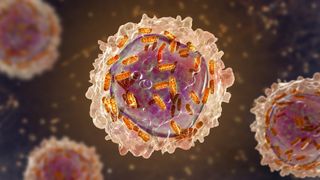
The CDC's vaccine committee has voted to roll back a universal recommendation that newborns be vaccinated against hepatitis B, which is one of public health's major success stories.
Animals

18,000 dinosaur tracks discovered along ancient Bolivian coastline — and they set a new record
By Sascha Pare published
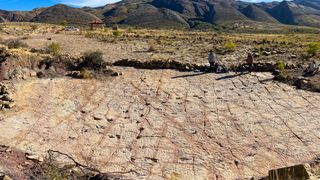
Researchers have counted 16,600 fossilized dinosaur footprints and 1,378 swim tracks at a site in Bolivia that showcase a variety of behaviors and different theropods from the Cretaceous period.
Physics & Mathematics

What was the loudest sound ever recorded?
By Clarissa Brincat published
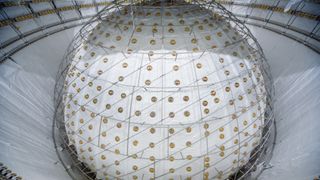
Determining the "loudest recorded sound" depends on how you define sound and on which measurements you choose to include.

Law of 'maximal randomness' explains how broken objects shatter in the most annoying way possible
By Skyler Ware published
A new mathematical equation describes the distribution of different fragment sizes when an object breaks. Remarkably, the distribution is the same for everything from bubbles to spaghetti.
Chemistry

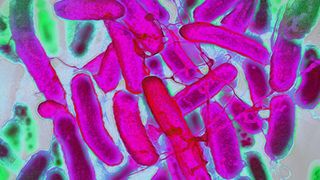
Scientists invent way to use E. coli to create and dye rainbow-colored fabric in the lab
By Mason Wakley published
Scientists have used a novel method to create sustainable, rainbow-colored fibers using bacteria in the lab.

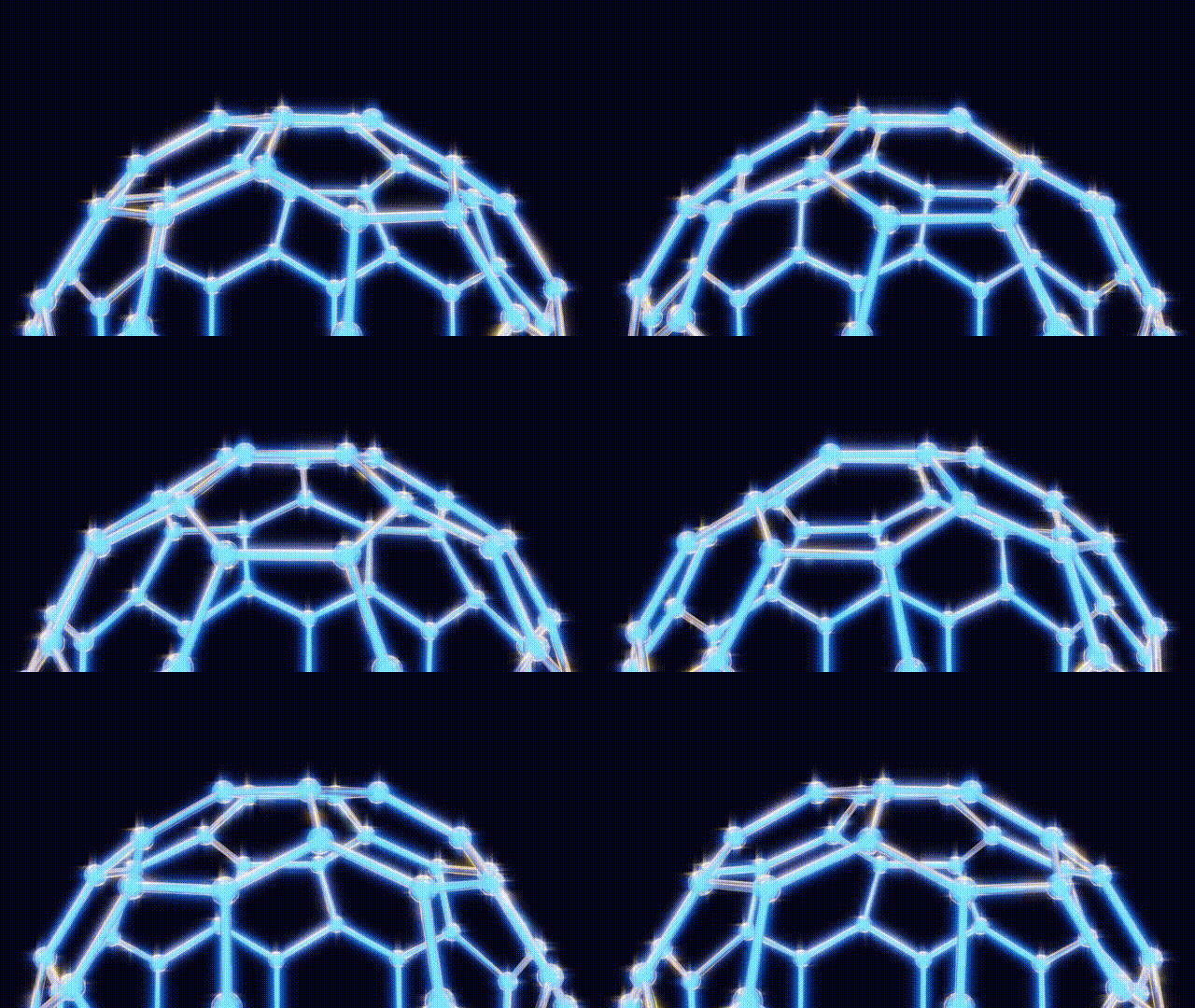
Science history: Chemists discover buckyballs — the most perfect molecules in existence — Nov. 14, 1985
By Tia Ghose published
Over a feverish 10-day period, scientists synthesized and described a new class of carbon molecules, called buckminster fullerenes, after the iconic 20th-century inventor.
Technology

MIT invention uses ultrasound to shake drinking water out of the air, even in dry regions
By Owen Hughes published
A new device cuts down the time it takes to harvest water from the atmosphere from days to minutes, MIT researchers say.


No comments:
Post a Comment