Unprecedented surge in Chinese warships presence surrounding Taiwan

Record 16 PLA warships sailed close to Taiwan in single day, island’s defence ministry says
- Number tops previous high of 14 warships sent towards Taiwan as Beijing reacted to Nancy Pelosi’s visit in August
- Increased military pressure also comes as self-ruled island is preparing for presidential elections in January
Beijing sent a record number of warships close to Taiwan within a single day last week, surpassing a previous high set during then US House speaker Nancy Pelosi’s visit to Taipei last year.
People’s Liberation Army warships made 16 trips near Taiwan in the 24 hours before 6am on Saturday, the island’s defence ministry said, despite no announcement of any major drills nearby. . .
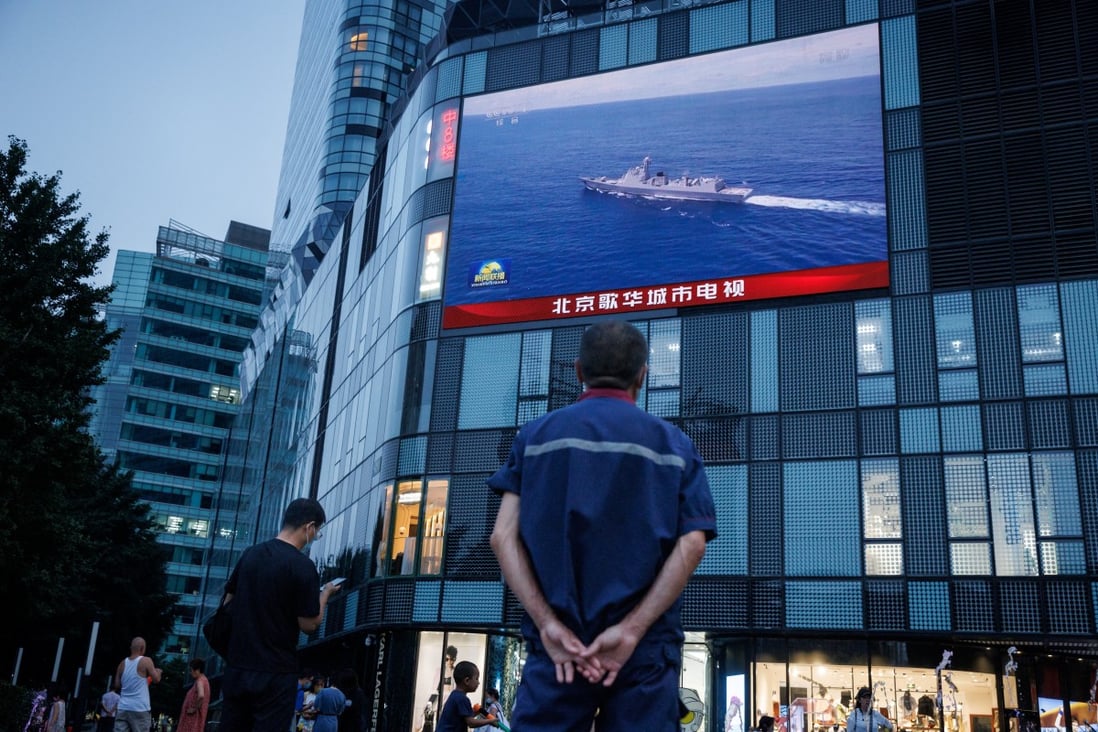
Beijing sent a record number of warships close to Taiwan within a single day last week, surpassing a previous high set during then US House speaker Nancy Pelosi’s visit to Taipei last year.
People’s Liberation Army warships made 16 trips near Taiwan in the 24 hours before 6am on Saturday, the island’s defence ministry said, despite no announcement of any major drills nearby.
That topped the 14 warships sent towards Taiwan as Beijing, which considers Taiwan to be a breakaway province, reacted to Pelosi’s visit in August with days of unprecedented live-fire drills around the island.
In April, it sent as many as 12 warships in a day as part of another large-scale exercise after Taiwanese President Tsai Ing-wen met Pelosi’s successor Kevin McCarthy in California.
Beijing has sent fighter jets and warships to Taiwan’s self-declared air defence identification zone (ADIZ) almost every day in recent years, as relations worsened under Tsai’s independence-leaning Democratic Progressive Party (DPP).
Those trips only intensified after Pelosi’s visit, with PLA jets more willing to fly across the median line of the Taiwan Strait, a tacit boundary that both sides generally abided by for decades until 2019.
Beijing no longer recognises the line...
- Last week also saw an uptick in PLA forays around Taiwan, with dozens of planes sent each day, according to the defence ministry in Taipei.
- PLA planes including bombers, drones, and the advanced Su-30 and J-16 fighter jets made 32 flights in the 24 hours before 6am on Wednesday.
- Some of them flew from the southwest of Taiwan to its south, while others crossed the strait median line. This was followed by 33 flights on Thursday and 30 on Friday, along similar routes.
“ROC Armed Forces have monitored the situation and tasked [combat air patrol] aircraft, navy vessels and land-based missile systems to respond to these activities,” Taiwan’s defence ministry said in a daily statement announcing the incursions, using the initialism of Taiwan’s official name, the Republic of China.
- The number of flights dropped to 15 on Saturday, 10 on Sunday and 11 on Monday. No PLA plane had crossed the median line or entered the southwestern sector of the Taiwanese ADIZ since Sunday, the ministry said.
- Neither the defence ministry in Beijing nor the PLA announced any heightened military activity near Taiwan.
The flights and warship passages reflected the PLA’s plans to normalise drills around Taiwan, former PLA instructor Song Zhongping said.
- Such acts are considered politically provocative and are Beijing’s form of protest against closer engagement between Taipei and other governments, especially Washington.
Beijing is opposed to Taipei having official exchanges with other governments, and views such interaction as a challenge to its sovereignty.
While the US is Taiwan’s biggest informal ally, it – like most countries – does not regard the self-ruled island as independent. However, it is opposed to any forcible change to the status quo, which Beijing has not ruled out.
Song said one cause for the stepped-up exercises could be recent actions by the US-led West, including a Nato communique on Wednesday describing China as coercive and a challenge to the defence alliance’s interests, security and values.
“Announcing military exercises is not always necessary,” Song said.
Song also cited the latest US arms sales to Taiwan and a closer US-Japan-South Korea alliance as reasons for tension, even though the recent visit by Treasury Secretary Janet Yellen has raised hopes of a revival in US-China economic dialogue.
- Collin Koh, a senior fellow at the S. Rajaratnam School of International Studies in Singapore, said the surge in PLA activities could perhaps be linked to Washington’s 2024 National Defence Authorisation Act, which passed in the US House of Representatives on Friday with provisions calling for military cooperation with Taiwan.
Projecting power with more ships near Taiwan as opposed to planes allowed the PLA to focus on overstretching the resources of the island’s navy, Koh said.
“The PLA has been … using the frequent fly-bys as a way to gradually erode the ROC Air Force capacity,” he said.
Deadly military plane crashes in recent years revealed how overstretched Taiwanese air force had become, Koh said, adding that the island also had to spend more of its defence budget on overheads and maintenance because of PLA activities.
“If you are a PLA planner, wouldn’t it look pretty logical that the next frontier to stress [out] the Taiwanese military is the naval side?”
>
Chinese military’s three-day show of force increases headache for Taiwan
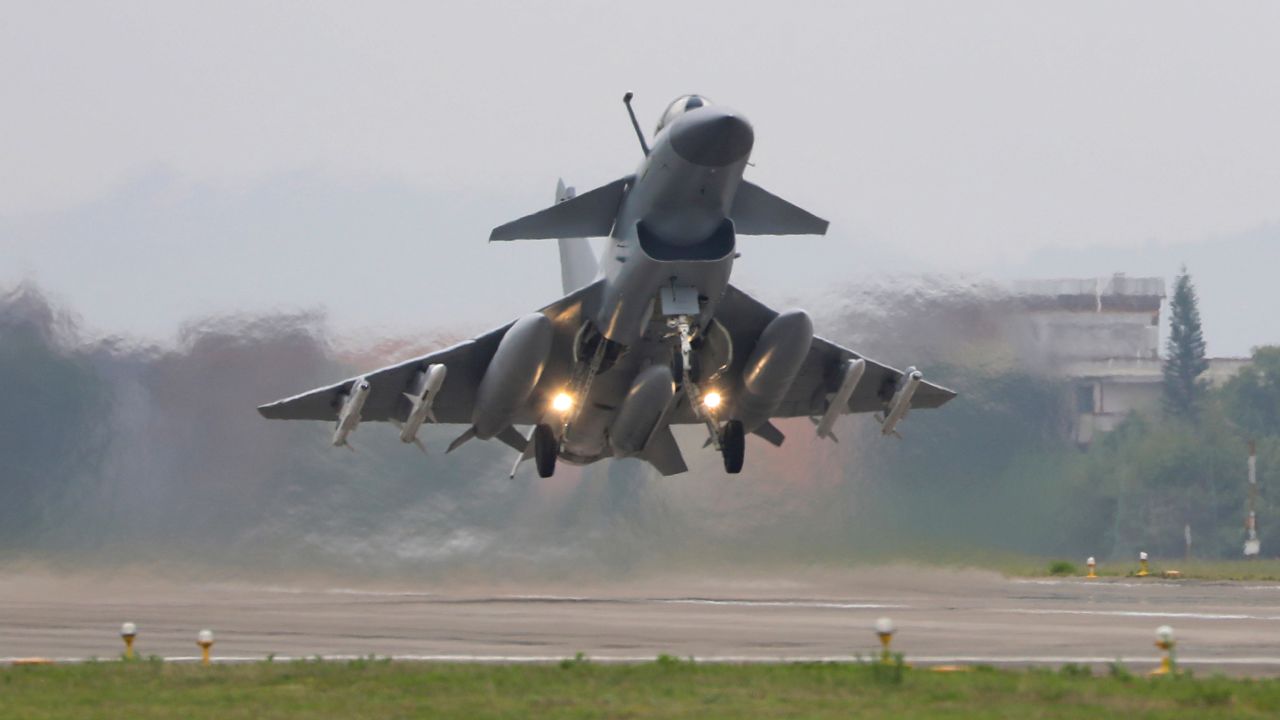
China’s military has been on a surge of activity around Taiwan this week, sending dozens of warplanes past the median line of the Taiwan Strait and into the key regions of the island’s air defense identification zone (ADIZ).
The People’s Liberation Army (PLA) activity has a range of implications, none of them positive for Taiwan or cross-strait stability, analysts say.
According to figures from Taiwan’s Defense Ministry, 38 PLA aircraft were detected around the island in the 24 hours ending at 6 a.m. local time on Wednesday, 33 in the same period Thursday and 30 during the same period Friday.
Over those 72 hours, 73 PLA aircraft either crossed the strait’s median line – an informal demarcation point that Beijing does not recognize but until recently largely respected – or entered the southeastern or southwestern parts of the island’s ADIZ.
- China’s ruling Communist Party claims the self-governing democracy of Taiwan as its territory despite never having controlled it, and has spent decades trying to isolate it diplomatically. Beijing has not ruled out using force to take control of the island.
The PLA aircraft detected this week included fighter jets, H-6 bombers, anti-submarine warning aircraft and reconnaissance drones, Taiwan’s Defense Ministry said.
The ministry said it tasked combat air patrol warplanes, naval vessels and land-based missile defense to monitor the PLA aircraft, along with 9 Chinese warships that were present around the island.
Their response underscores the problem that increased PLA activity poses to Taiwan, said Carl Schuster, a Hawaii-based analyst and former director of operations at the US Pacific Command’s Joint Intelligence Center.
When Taiwan’s military responds to PLA operations, it taxes the island’s systems and equipment.
“Constant use creates a maintenance headache that reduces readiness until (spare) parts are delivered and installed,” he said. “Also, air frames and hulls require inspection and refurbishment as certain age and stress times are reached.”
He also says surges in PLA activity are aimed at wearing down the mental ability of Taiwan’s people to resist a potential takeover by Beijing.
“Beijing hopes Taipei will just accept unification as inevitable and allow Chinese forces in without resistance. They are trying to diminish if not destroy the Taiwan population’s will to resist,” he said.
But even if that tactic does not work, the continued presence of large numbers of PLA warplanes and ships around Taiwan can lull the island’s defenders – both the Taiwanese military and any potential external reinforcements – into complacency, he said.

Under the Taiwan Relations Act, Washington has agreed to give Taiwan the ability to defend itself, largely through weapons sales, although President Joe Biden has said repeatedly that US troops would defend the island in the event of a Chinese invasion.
Either way, with US equipment or even fighting troops, it may become too late for Washington to come to Taipei’s rescue if large amounts of PLA planes and ships are already on station around the island.
“The longer the delay in reacting to PLA buildups, the less time available to match or counter that buildup. The US margin of advantage is too slim to achieve success if its forces move too late,” Schuster said.
From the PLA’s perspective, sustained drills are a necessary part of readiness to execute any move on Taiwan, the former US Navy captain said.
“PLA forces need constant training since such skills are perishable and exercises offer both training in those skills and opportunities to rehearse and examine some aspects of war plans,” he said.
“Military operations are complex, like American football. The plays and drives require constant practice and rehearsal to be conducted effectively,” Schuster added.

US flight in Taiwan Strait
China last held three days of intensive military drills around Taiwan in April, exercises the PLA said “comprehensively tested joint combat capabilities of its integrated military forces under actual combat situation.”
“Forces in the command is ready for combat at all times, and will resolutely destroy any type of ‘Taiwan independence’ separatist or foreign interference attempts,” a PLA statement after the April drills said, according to state broadcaster CCTV.
As for this week’s drills, a report in the state-run Global Times said they “aim to safeguard national sovereignty, unity and territorial integrity.”
“Such drills are becoming more combat-oriented and more intensive in order to deter and prepare for interferences from external forces,” the report said, citing Chinese experts.
Meanwhile, the activity in and around the Taiwan Strait in the past few days hasn’t been limited to the PLA.
A US Navy P-8A reconnaissance jet transited the strait on Thursday, according to a statement from the US 7th Fleet in Japan.
“The aircraft’s transit of the Taiwan Strait demonstrates the United States’ commitment to a free and open Indo-Pacific. The United States military flies, sails and operates anywhere international law allows,” the statement said.
On its English-language website, the PLA accused the US military of hyping the situation, and a spokesperson for the Eastern Theater Command said PLA troops tracked and monitored the US plane.
US Secretary of Defense Lloyd Austin told CNN Thursday that he doesn’t see confrontation between the US and China involving Taiwan as “imminent” or “unavoidable.”
“But having said that it’s my job to make sure that we have to continue to maintain a credible deterrence in the Indo-Pacific,” he said. “The most credible deterrent is a combat capable force and that’s what we have today.”
CNN’s Zahid Mahmood contributed reporting.

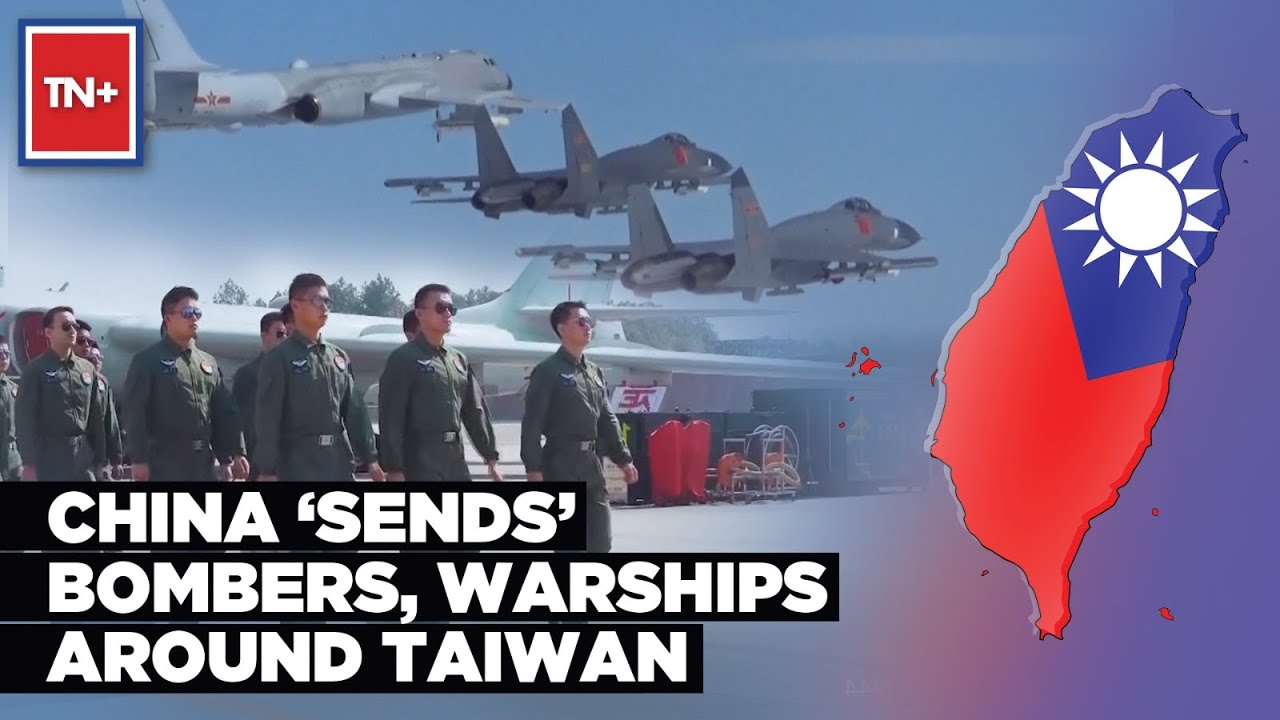

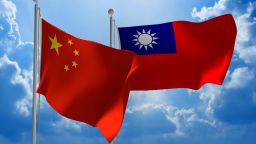
China Holds ‘Mass Drills’ Near Taiwan Amid Tensions, Taipei Detects PLA Bombers, Warships Off Coast


Announced Chinese People's Liberation Army (PLA) military exercises compared to Third Taiwan Strait Crisis exercises : r/geopolitics
>
Taiwan reports record number of Chinese warships in waters around the island
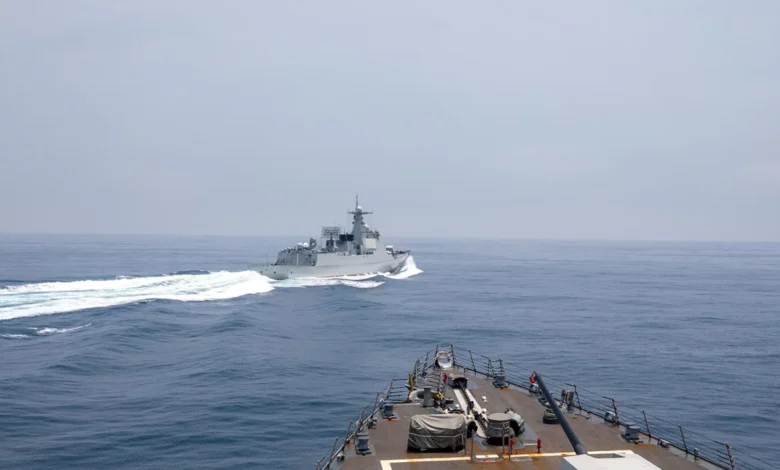
The People’s Liberation Army Navy (PLAN) activity in the 24 hours ending at 6 a.m. local time Saturday followed exercises earlier last week that saw dozens of Chinese warplanes fly past the median line of the Taiwan Strait and into the key regions of Taiwan’s air defense identification zone (ADIZ).
Over 72 hours in the middle of last week, 73 PLA aircraft either crossed the Taiwan Strait’s median line – an informal demarcation point that Beijing does not recognize but until recently largely respected – or entered the southeastern or southwestern parts of the island’s ADIZ.
During that same period, 9 PLA vessels were reported in waters around Taiwan in three consecutive days.
The 16 Chinese ships around Taiwan on Friday into Saturday was the most since the island’s Defense Ministry began providing daily updates of PLA activity around the island in August 2022.
“It is a growing military effort,” Carl Schuster, a Hawaii-based analyst and former director of operations at the US Pacific Command’s Joint Intelligence Center, told CNN on Monday.
- China’s ruling Communist Party claims the self-governing democracy as its territory despite never having controlled it, and has spent decades trying to isolate it diplomatically. Beijing has not ruled out using force to take control of the island.
- Chinese state media on Sunday touted the naval activity, noting the PLAN “breaking the record for the number of vessels deployed in its drills in the region,” in a story in Global Times.
“Analysts said Sunday that the recent intensive exercises demonstrate the PLA’s capabilities in encircling the island,” the Global Times story said.
- Neither Taiwan’s Defense Ministry nor the Global Times article gave details on what PLA warships were in the waters around Taiwan.
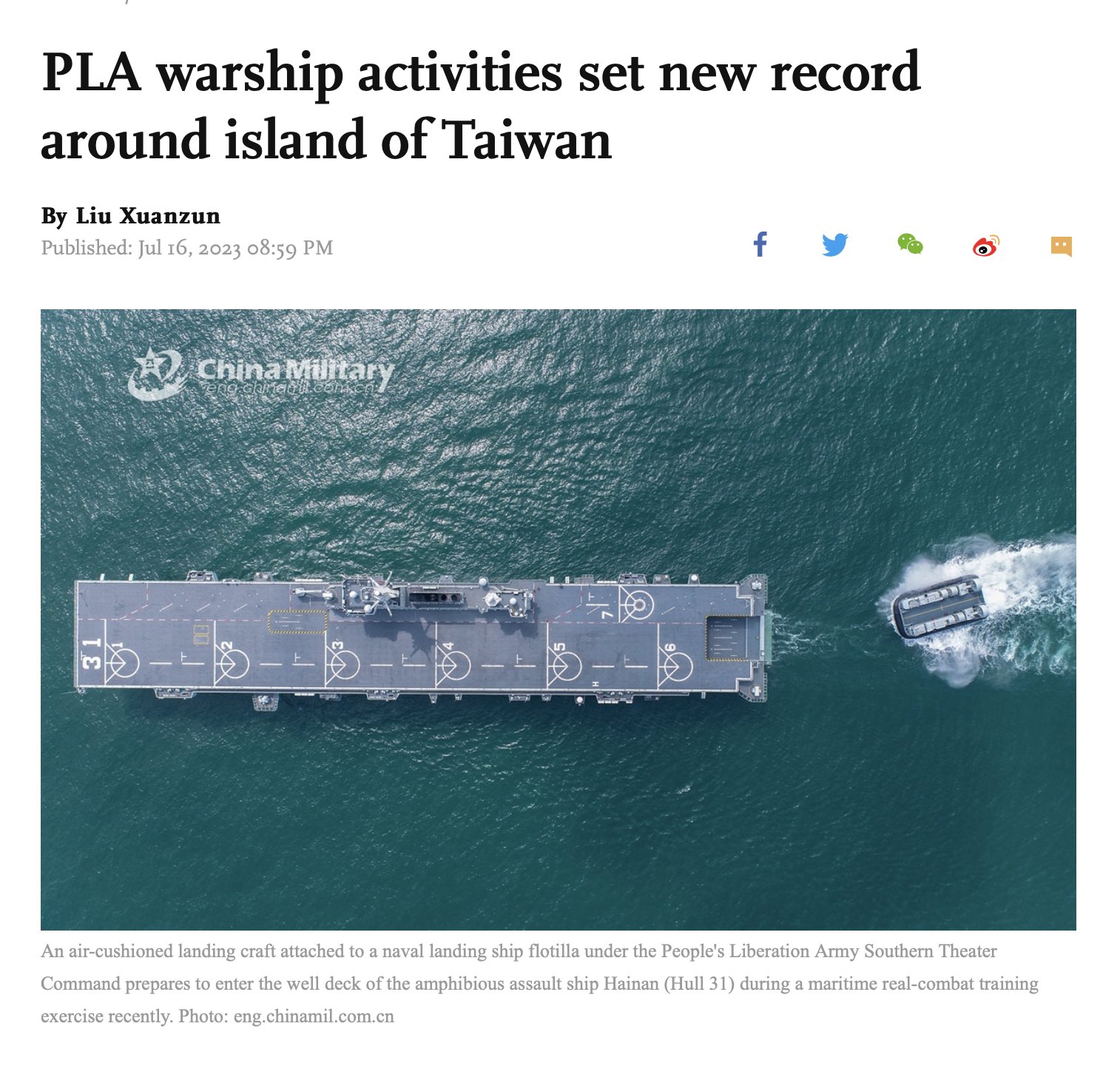
But Chinese state-run media said the PLA exercises “likely featured amphibious landing training” and the story was topped with a picture of a PLAN amphibious assault ship it said was taken “during a maritime real-combat training exercise recently.”
Schuster said he expects the PLA to keep increasing the pressure on Taiwan.
“We will see more such exercises and next year’s will more complex and larger in terms of units involved and extent of their activities,” he said.
CNN’s Eric Cheung contributed to this report.
___________________________________________________________________________________
China and Russia to hold joint military drill in strategic waters near Japan
- Moscow will send its air force and navy to the Sea of Japan, or East Sea, to take part in exercise to maintain security of key maritime corridors
- Defence experts say drills seen as a response to Washington’s attempts to work more closely with Tokyo and Seoul to prepare for possible Taiwan conflict
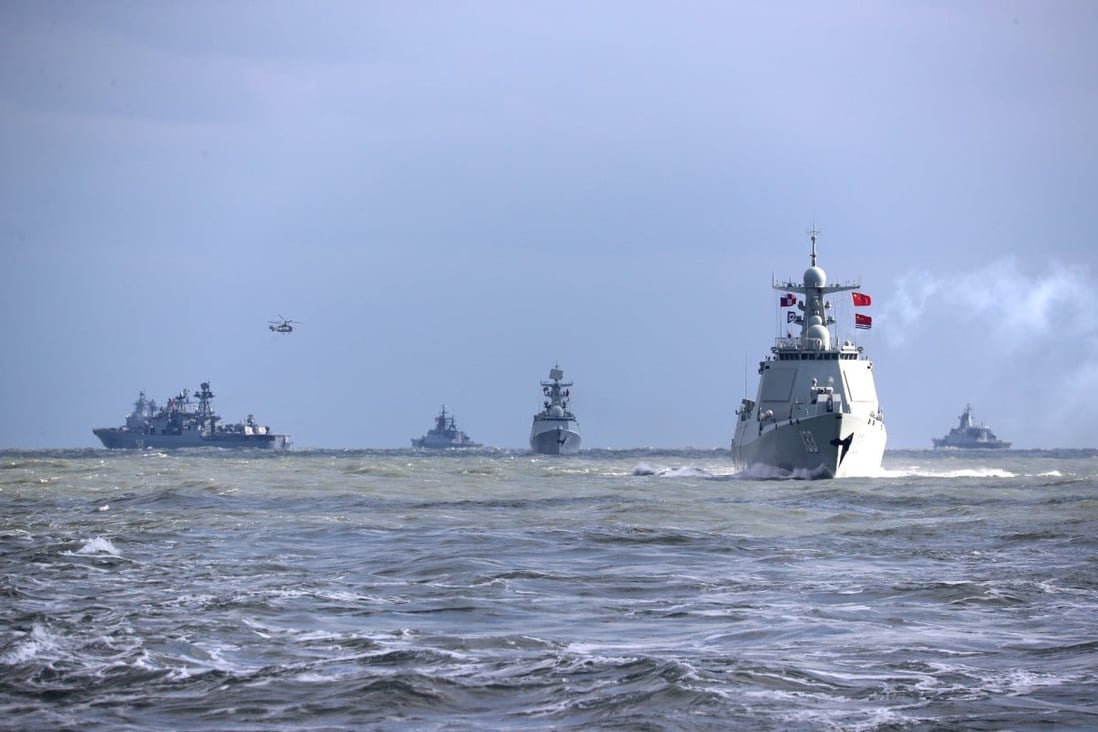
Russia will send troops from its air force and navy to take part in a China-led joint military exercise in the Sea of Japan, or East Sea, the Chinese defence ministry announced on Saturday.
Without giving the date of the “Northern/Interaction-2023” exercise, organised by the People’s Liberation Army’s Northern Theatre Command, the ministry said the drills would focus on “maintaining the security of strategic maritime corridors”.
“This joint exercise aims at enhancing the level of strategic cooperation between the Chinese and Russian militaries, as well as strengthening both sides’ ability to jointly safeguard regional peace and stability when dealing with various security challenges,” it said in a statement.
The drills were announced last month by military leaders of the two countries. Saturday’s statement confirms the involvement of Russian naval and army forces and the exercise’s location.
Defence experts said the joint drills could be seen as a clear response to Washington’s attempts to work more closely with regional allies Japan and South Korea to prepare for a possible conflict with Beijing over Taiwan, posing a potential threat to both China and Russia.
Song Zhongping, a former PLA instructor, said the strategic maritime corridors mentioned by the Chinese defence ministry included three straits near Japan – the Tsushima, Soya and Tsugaru straits – that could become key strongholds for the United States and its allies to block China and Russia from accessing the Western Pacific.
“In order to break through the possible barriers of any potential risks, it’s very important for the PLA and its Russian counterpart to hold regular drills,” Song said.
Zhou Chenming, a researcher at the Beijing-based Yuan Wang military science and technology think tank, said the US was not only working with Japan and South Korea but also other allies and partners in the Asia-Pacific region to try to isolate Russia and China.
“The sour ties between China and the US, and the US and Russia, are pushing Beijing and Moscow closer together,” Zhou said. “More isolation of China and Russia will only push the PLA and Russian militaries to conduct more joint military exercises.”
Last month, PLA and Russian forces held a two-day joint aerial strategic patrol in airspace over the East China Sea and the Sea of Japan – their sixth such drill since 2019.
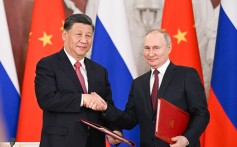
China and Russia have held regular military drills since 2002. Early joint naval drills took place closer to Russian waters, including the northern Sea of Japan and the Peter the Great Gulf.
In September, the PLA sent a flotilla led by its largest destroyer, the Type 055, to join the Russia-organised Vostok 2022 war games in the Sea of Japan.
>


No comments:
Post a Comment