






The Invisible War in Ukraine Being Fought Over Radio Waves

Brendan Hoffman for The New York Times
Paul Mozur reported from Kyiv, Dnipro, and Odesa, Ukraine. Aaron Krolik reported from New York.
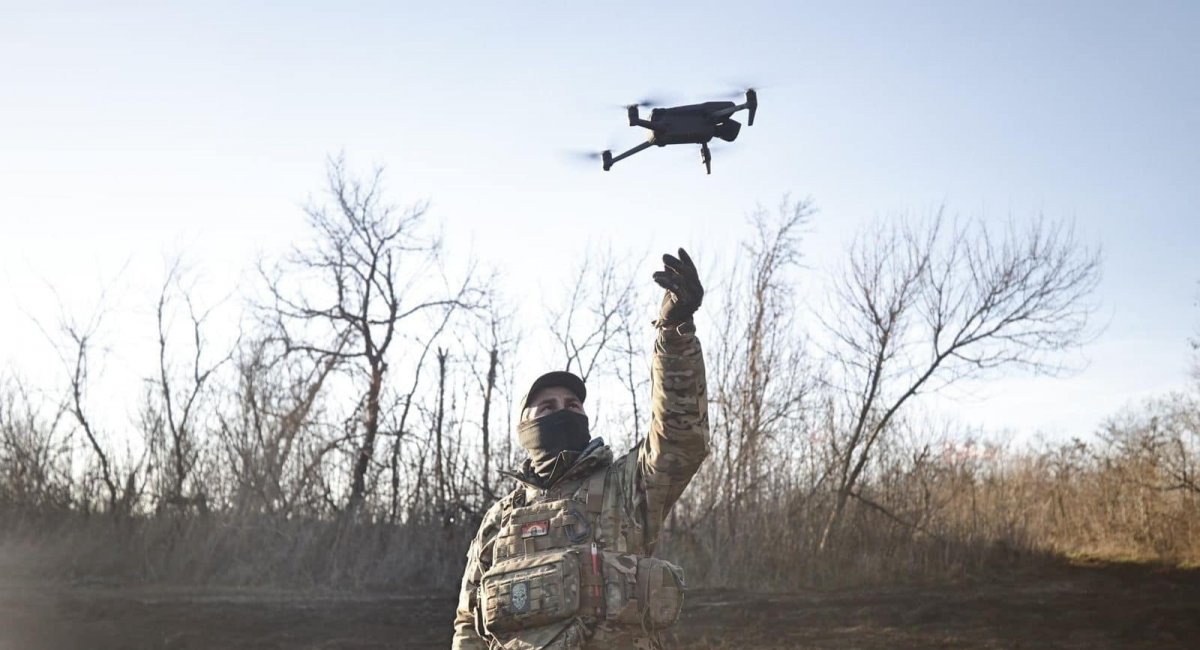
The drones began crashing on Ukraine’s front lines, with little explanation.
For months, the aerial vehicles supplied by Quantum Systems, a German technology firm, had worked smoothly for Ukraine’s military, swooping through the air to spot enemy tanks and troops in the country’s war against Russia. Then late last year, the machines abruptly started falling from the sky as they returned from missions.
“It was this mystery,” said Sven Kruck, a Quantum executive who received a stern letter from Ukraine’s Ministry of Defense demanding a fix.
- To adjust, Quantum developed artificial intelligence-powered software to act as a kind of secondary pilot and added a manual option so the drones could be landed with an Xbox controller.
- The company also built a service center to monitor Russia’s electronic attacks.
“All we could do is get information from the operators, try to find out what wasn’t working, test and try again,” Mr. Kruck said.
A battle is raging in Ukraine in the invisible realm of electromagnetic waves, with radio signals being used to overwhelm communication links to drones and troops, locate targets and trick guided weapons. Known as electronic warfare, the tactics have turned into a cat-and-mouse game between Russia and Ukraine, quietly driving momentum swings in the 21-month old conflict and forcing engineers to adapt.
“Electronic warfare has impacted the fighting in Ukraine as much as weather and terrain,” said Bryan Clark, a senior fellow at the Hudson Institute, a think tank in Washington, adding that every operation in the conflict now has to take into account enemy moves in the electromagnetic spectrum.

Electronic warfare has been a feature of wars for more than 100 years. During World War II, the British mimicked German radio signals to deceive targeting systems that bombers used, which Winston Churchill popularized as the “battle of the beams.” In the Cold War, the Soviet Union invested heavily in electronic weapons to gain an asymmetric advantage against the missiles and planes from the United States.


No comments:
Post a Comment