The declaration prioritizes goals such as ensuring AI is “open, inclusive, transparent, ethical, safe, secure and trustworthy,” while aligning with international frameworks, and “making AI sustainable for people and the planet.”
#BREAKING: The United States and the United Kingdom have reportedly declined to sign the Paris AI Summit's declaration on promoting “inclusive and sustainable” artificial intelligence.
Neither the US nor the UK has provided an immediate explanation for their decision not to endorse the declaration.

US declines to sign international declaration on artificial intelligence
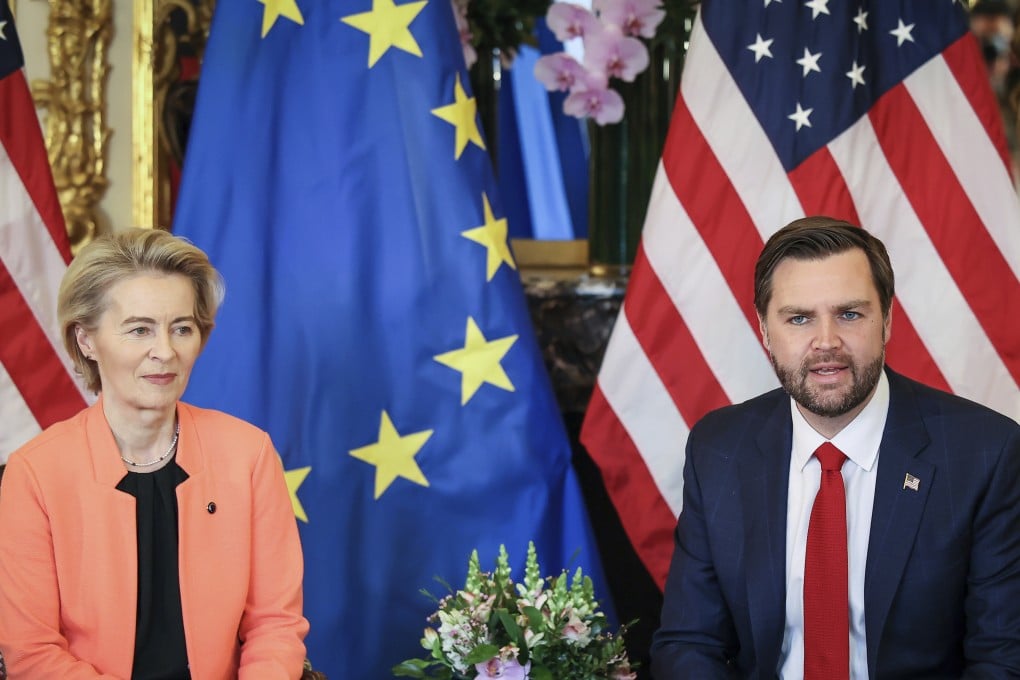
Statement by more than 60 nations including China aims to erect guardrails to ensure AI is ‘inclusive, transparent, secure and trustworthy’
Mark Magnierin New York
The
US refused to sign an “inclusive” and “sustainable” artificial
intelligence declaration on Tuesday, as Washington criticised Europe for
excessive AI regulation and warned China not to use the cutting-edge
technology to tighten its grip on power.
- The message, conveyed by US Vice-President J.D. Vance at the Artificial Intelligence Action Summit in Paris, was delivered at the first global meeting the Donald Trump administration has joined – with the characteristic disruption that has defined the new US government.
At
the two-day summit, attended by some 1,500 participants from around 100
countries, UN Secretary General Antonio Guterres warned that AI’s
immense power is concentrated in a few hands, without mentioning the US. . .


US and UK refuse to sign summit declaration on AI
February 11, 2025
US vice-president JD Vance warned Europe not to adopt “overly precautionary” regulations on artificial intelligence as America and the UK refused to join dozens of other countries in signing a declaration to ensure that the technology was “safe, secure and trustworthy”.
“The Trump administration will ensure that the most powerful AI systems are built in the US, with American-designed and manufactured chips,” Vance told an audience of world leaders and tech executives.
“America wants to partner with all of you . . . but to create that kind of trust, we need international regulatory regimes that foster the creation of AI technology rather than strangle it,” he added.


No comments:
Post a Comment