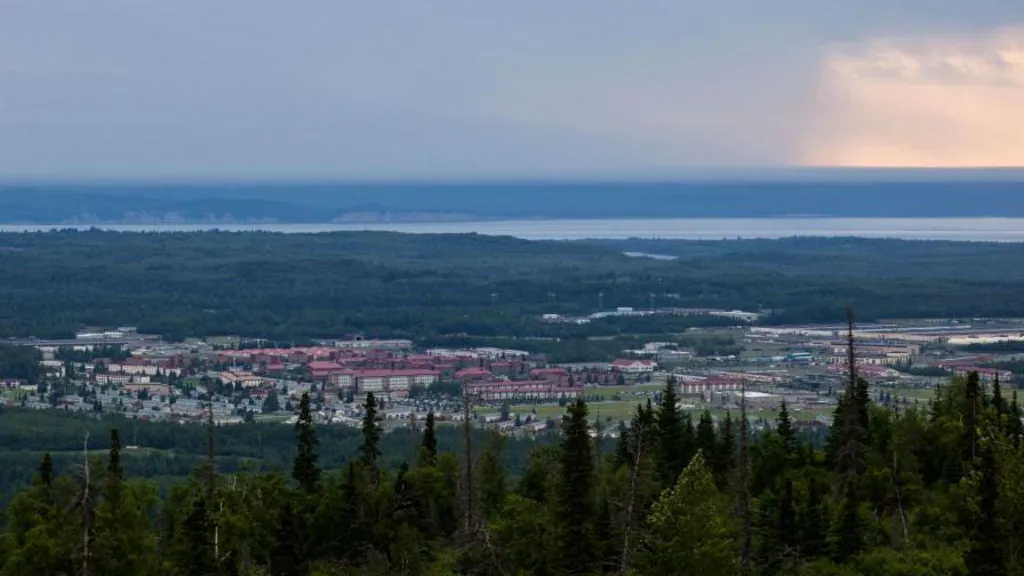
Trump and Putin Could Decide Others’ Fates, Echoing Yalta Summit
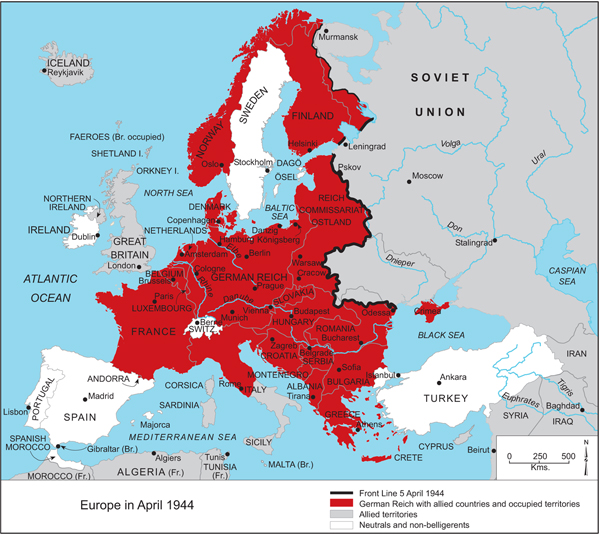
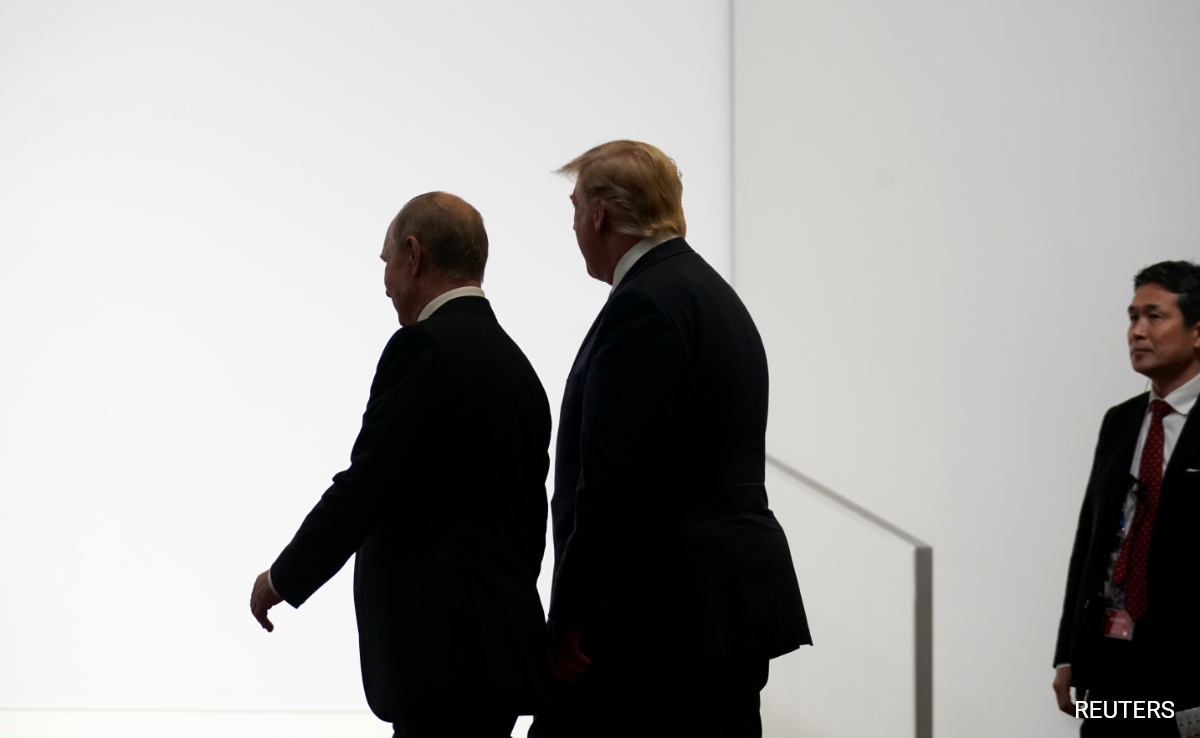
In 1945, the map of Europe was redrawn in Yalta without input from the affected countries. Ukraine and Europe fear a repeat in Alaska.

By Steven Erlanger
Reporting from Berlin
Aug. 13, 2025, 5:03 a.m. ET
“Yalta has gone down in history as many things, but it became a dirty word in Eastern Europe and especially in Poland,” since a main topic of the conference was its new borders, said Serhii Plokhii, a professor of Ukrainian history at Harvard and the author of numerous books about the Cold War, including “Yalta: The Price of Peace.”

- For Timothy D. Snyder, a historian of Ukraine and the Cold War, the Alaska summit is “morally less defensible” than the one in Yalta because Mr. Putin is not an ally, as Stalin was.
- “Although he was ruling a terrible system and oppressing as he liberated, the Soviets had just borne the brunt of the war in Europe, so it was inevitable to discuss with them a settlement at the end of the war,” he said.
- It is Russia now, not Nazi Germany, that is “carrying out an unprovoked war and all its atrocities.
- ” Russia is “not an ambiguous partner who helped end the war, but started the war.”
>>
- So that also raises another controversial moment in history, at Munich in 1938, when Neville Chamberlain agreed with Adolf Hitler to dismantle Czechoslovakia, which was not represented at those talks, in a vain, doomed effort to keep the peace.
- “We know Churchill and Roosevelt got some criticism over Yalta, but it was Chamberlain who became infamous,” Mr. Plokhii said.
- “If Ukraine is forced to concede the rest of the Donbas, it would concede defensive lines and fortifications crucial to its defense, which is what the Czechs had to do,” he said.
- “Hitler’s aim was to destroy Czechoslovakia,” Mr. Snyder said,
- “and Putin’s ultimate goal is to destroy Ukraine.”
Steven Erlanger is the chief diplomatic correspondent in Europe and is based in Berlin. He has reported from over 120 countries, including Thailand, France, Israel, Germany and the former Soviet Union.

What we know about Trump’s meeting with Vladimir Putin in Alaska
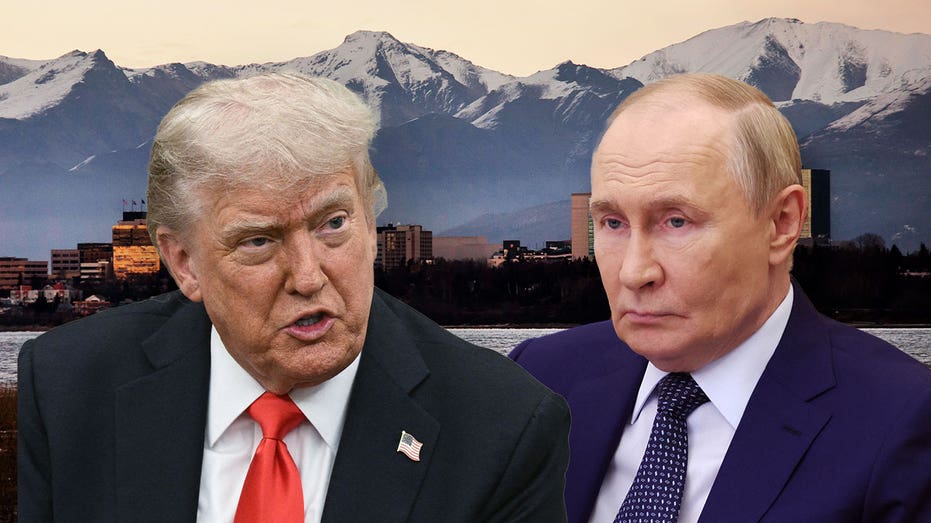
Historic Alaska summit set for Friday as Karoline Leavitt calls meeting a 'listening exercise'

EXPECTATIONS
Trump has raised geopolitical eyebrows over the last week when he suggested there would be a land "swap" that Russia and Ukraine would need to agree to.
- While it remains unclear which borders he thinks will likely be moved around, particularly which Russian borders he foresees Putin handing over to Kyiv, Ukrainian President Volodymyr Zelenskyy and his allies in NATO have made clear any deal forged without Ukraine will not be acceptable.
- "Any decisions that are without Ukraine are at the same time decisions against peace," he added.
- "They will not bring anything. These are dead decisions. They will never work."
- "Ukraine’s right to exist as a sovereign nation is under attack, as well as the security of our European continent."
- "As far as Russia has not agreed to full and unconditional ceasefire, we should not even discuss any concessions," she said.
- "It has never worked in the past with Russia, and will not work with Putin today."

LIVE | Karoline Leavitt says Trump's meeting with Putin is a 'listening exercise' | Alaska Summit
Uploaded: Aug 13, 2025
, others took to social media to suggest it showed the precarious nature of sovereign borders.
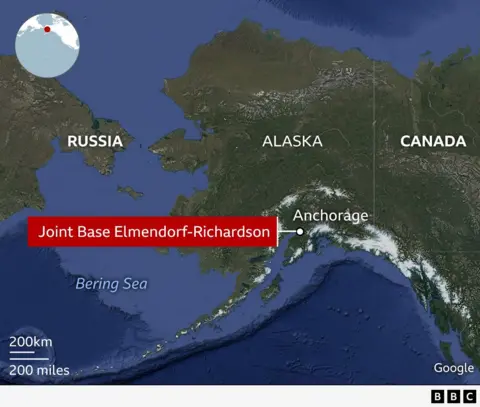
WHY ALASKA
Though geographically speaking, Anchorage is a near equal distance from Moscow and Washington, D.C., the president prompted surprise when he said Putin had agreed to meet him in Alaska rather than a third-party state, like Switzerland or Hungary, both of which were floated as potential meeting locations.
- Switzerland, a member of the International Criminal Court, could be obligated to act on the 2023 ICC arrest warrant issued against Putin, and
- Hungary, though frequently seen as sympathetic to Russia, is a NATO member state.
- "Probably your two choices were go to Russia — which Trump would never do — or invite him here.
- "It also exposes the challenge that you can't solve this without Ukraine and without Europe," he added.
- But Alaska also has a shared history with the U.S., which Washington purchased from Saint Petersburg — then the capital of Russia — in 1867.


No comments:
Post a Comment