AI Overview: AI data centers have significant environmental repercussions, including high energy consumption, which contributes to greenhouse gas emissions and strains power grids.
A closer look
Artificial intelligence
Artificial intelligence (AI) is technology to make computers and machines simulate human learning, comprehension, decision-making and even creativity.




- Other impacts include massive water usage for cooling, electronic waste from hardware, and pollution from the extraction of raw materials for manufacturing, all of which can accelerate climate change and harm ecosystems.
Explained: Generative AI’s environmental impact
In a two-part series, MIT News explores the environmental implications of generative AI. In this article, we look at why this technology is so resource-intensive. A second piece will investigate what experts are doing to reduce genAI’s carbon footprint and other impacts.
The excitement surrounding potential benefits of generative AI, from improving worker productivity to advancing scientific research, is hard to ignore. While the explosive growth of this new technology has enabled rapid deployment of powerful models in many industries, the environmental consequences of this generative AI “gold rush” remain difficult to pin down, let alone mitigate.
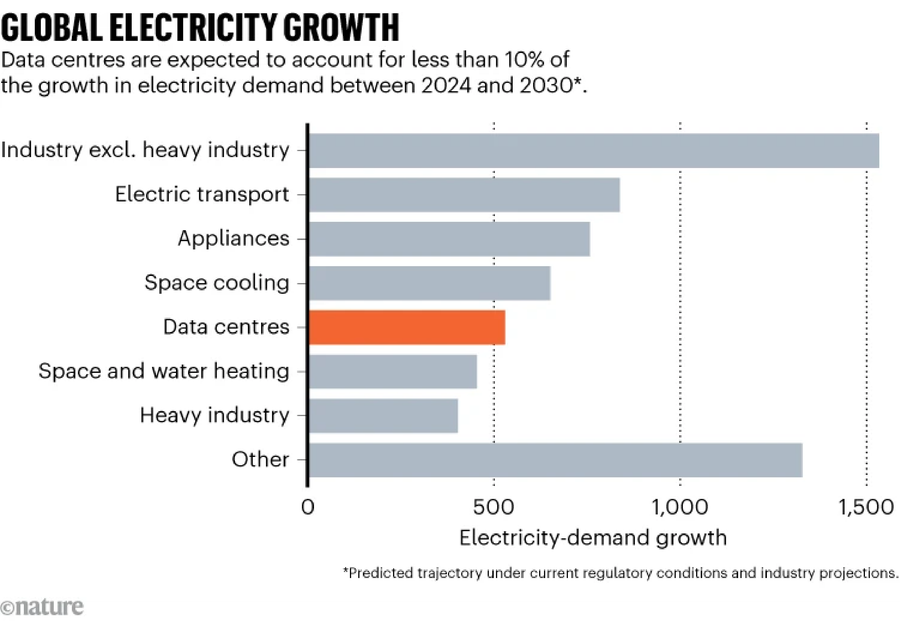
- The computational power required to train generative AI models that often have billions of parameters, such as OpenAI’s GPT-4, can demand a staggering amount of electricity, which leads to increased carbon dioxide emissions and pressures on the electric grid.
- Furthermore, deploying these models in real-world applications, enabling millions to use generative AI in their daily lives, and then fine-tuning the models to improve their performance draws large amounts of energy long after a model has been developed.
Beyond electricity demands, a great deal of water is needed to cool the hardware used for training, deploying, and fine-tuning generative AI models, which can strain municipal water supplies and disrupt local ecosystems. The increasing number of generative AI applications has also spurred demand for high-performance computing hardware, adding indirect environmental impacts from its manufacture and transport.
“When we think about the environmental impact of generative AI, it is not just the electricity you consume when you plug the computer in. There are much broader consequences that go out to a system level and persist based on actions that we take,” says Elsa A. Olivetti, professor in the Department of Materials Science and Engineering and the lead of the Decarbonization Mission of MIT’s new Climate Project.
Olivetti is senior author of a 2024 paper, “The Climate and Sustainability Implications of Generative AI,” co-authored by MIT colleagues in response to an Institute-wide call for papers that explore the transformative potential of generative AI, in both positive and negative directions for society.

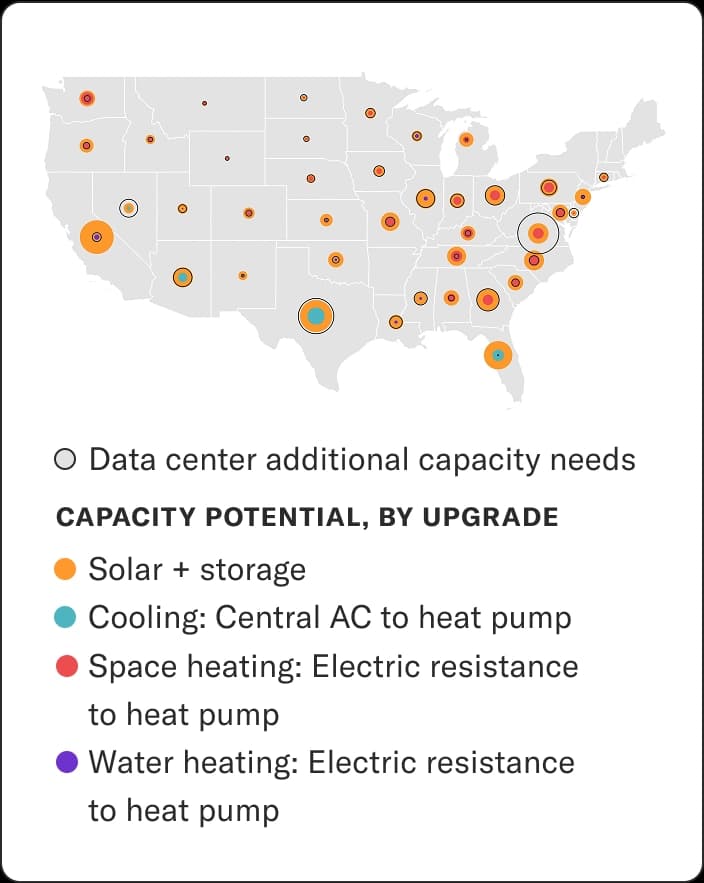
AI’s Energy Crunch: Can Data Centers Go Green Fast Enough?
Uploaded: Nov 9, 2025RIETI - Data, power and emissions: How AI's growth may slow down the green transition






No comments:
Post a Comment