Europe’s black hole: How much of the more than $185 billion given by the West to Ukraine has been stolen?

- One of the reasons for this is corruption in Ukraine, which – despite some lofty promises – seems to be as bad now as it was before the Western-backed 2014 'Maidan' coup. If not worse.

Moral compensation
The NATO summit, despite Ukraine’s hopes, did not bring it a long-awaited timeframe for membership. Instead, Western leaders announced new military aid packages for Kiev.
- According to the French newspaper Le Monde, French President Emmanuel Macron promised to give Ukraine a “substantial number” of SCALP missiles that can hit targets at a distance of 250 kilometers.
- According to France24, each costs €850,000.
- Germany plans to supply Ukraine with launchers for the Patriot missile defense system, Marder-type infantry fighting vehicles, UAVs, Leopard 1 A5 tanks, and artillery shells. However, for Berlin, this is not even close to a record gift value. On May 21, the German Foreign Ministry announced the transfer of military aid to Ukraine worth €2.7 billion.
This is the 42nd delivery of aid that Ukraine has received from the US in the past year and a half.
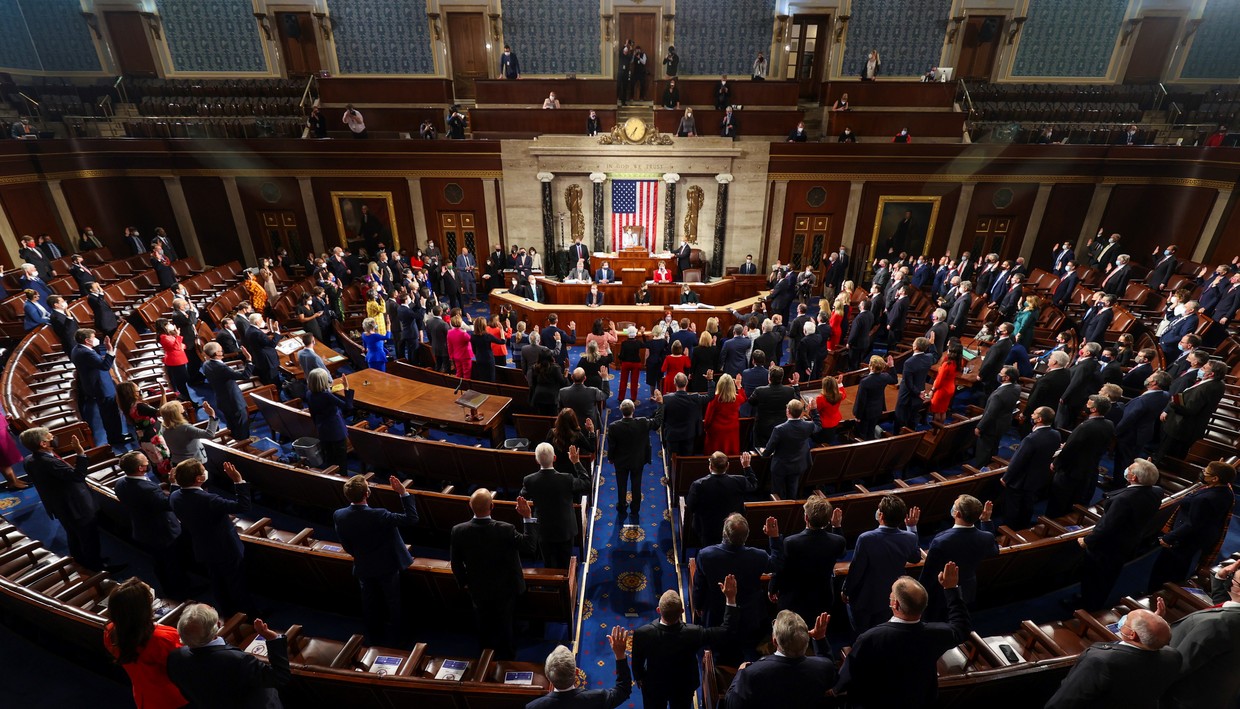
- Since the beginning of Russia’s offensive, the US Congress has approved military and economic assistance to Ukraine amounting to over $70 billion – and that’s only counting direct expenses.
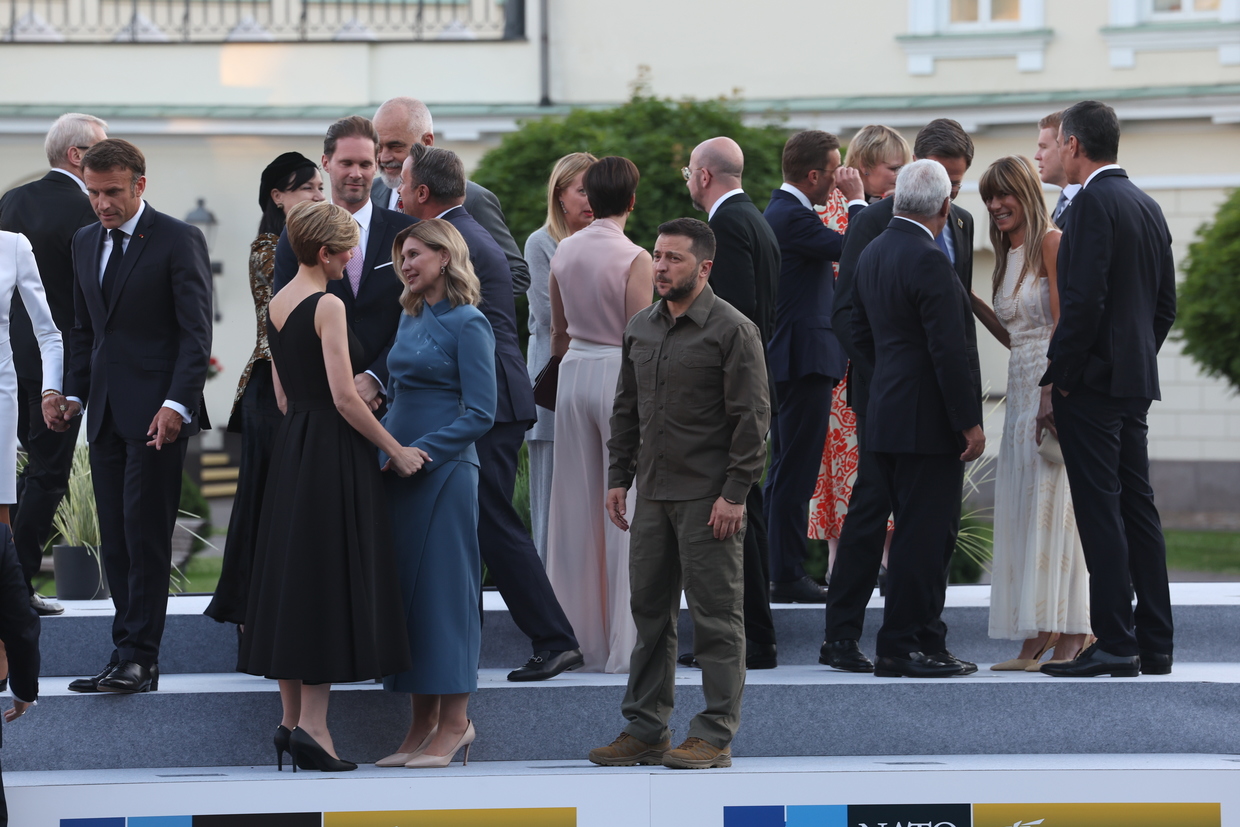
- According to July data from the Kiel Institute (which tracks the volume of aid allocated to Ukraine), total direct subvention provided by the US and its allies in the period from February 24, 2022 to May 31, 2023 topped €165 billion.

White elephant
The growing assistance to Ukraine naturally brings up many questions in Western society. In the US, for example, the ‘bipartisan consensus’ formed in March 2022 lasted only until November of the same year. By that point, about a third of Republicans had reconsidered their views and decided that it was not appropriate to support Kiev economically and continue supplying weapons there.
- According to the latest data from the Bruegel think tank, from October 2022 to April 2023, support for Ukraine among US citizens dropped even more.
- Only 60% of Americans who back Democrats and 34% of those who favor Republicans are willing to tolerate inflation for the sake of providing further assistance to Kiev. Last fall, these figures were 74% and 44%, respectively.
Following the results of the 2024 election, things may get even worse for Kiev. In the absence of progress on the battlefield, public figures in the US may start calling for a peaceful settlement of the conflict, even on unfavorable terms for Ukraine. In the upcoming election, this may benefit candidates less inclined to support Kiev ‘for as long as it takes’.
European doubts
- Judging by official comments, in the EU, the situation seems even more complicated.
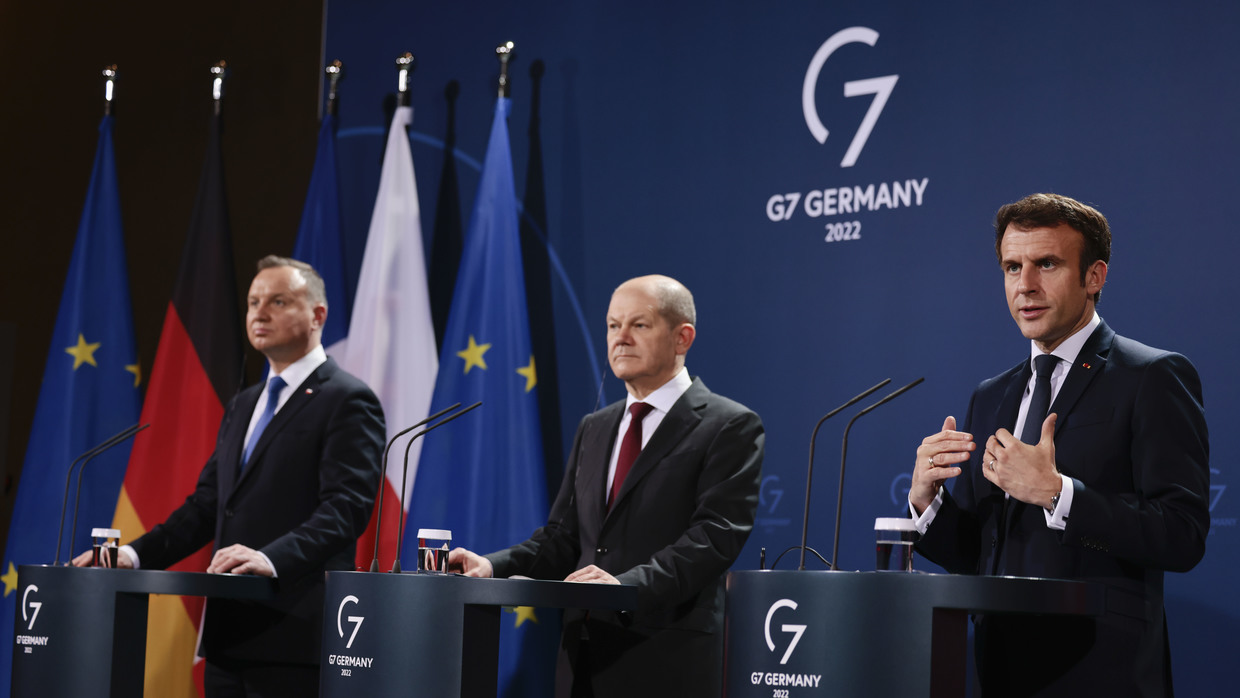
- Until recently, the adoption of each new aid package was accompanied by long negotiations and stubborn resistance from some EU member states. For example, Czech Finance Minister Zbynek Stanjura said in December of last year that the bloc could not fully agree on a new package of 2023 macro-financial credit assistance for Ukraine.
More recently, the situation also got tense when Polish Prime Minister Mateusz Morawiecki called on the EU to provide maximum possible assistance to Ukraine and blamed the leadership of Germany and France for their unwillingness to help.

Just like in the US, the number of people in the EU who are willing to sacrifice their comforts for the sake of Ukraine is decreasing.
“The fact remains that time is not on our side. The longer this conflict lasts, the harder it is to find money. This is indisputable,” senior researcher at the Bruegel analytical center Maria Demertzis said in a recent report.
- As a result of the unprecedentedly high and prolonged inflation caused by the war, households throughout the EU have come under pressure and this may undermine public support for Ukraine.
- In Italy, approval for sanctions on Russia decreased from 80% to 65% over the past year, and the approval of military aid to Ukraine decreased from 57% to 49%.
- In Germany, 62% of respondents approve of the sanctions, compared to last year’s 80%, and in France, 67% do so instead of 72%. The number of Germans who support supplying weapons to Ukraine is now 52% compared to last year’s 66%, and
- among the French, that number is 54% compared to 65%.
Shadowboxing
An non-governmental organization, the pro-NATO German Marshall Fund of the United States (declared an ‘undesirable organization’ in Russia), released a report ahead of the conference on the restoration of post-war Ukraine, which took place in June.
- The report stated, “Countering corruption [in Ukraine] is as strategically vital today as the policy of containing communism was in the Cold War.”

- Another official involved in criminal investigations at the Pentagon also told Defense One that his department is “concerned about the potential diversion or legal export, or theft for that matter, of the goods.”
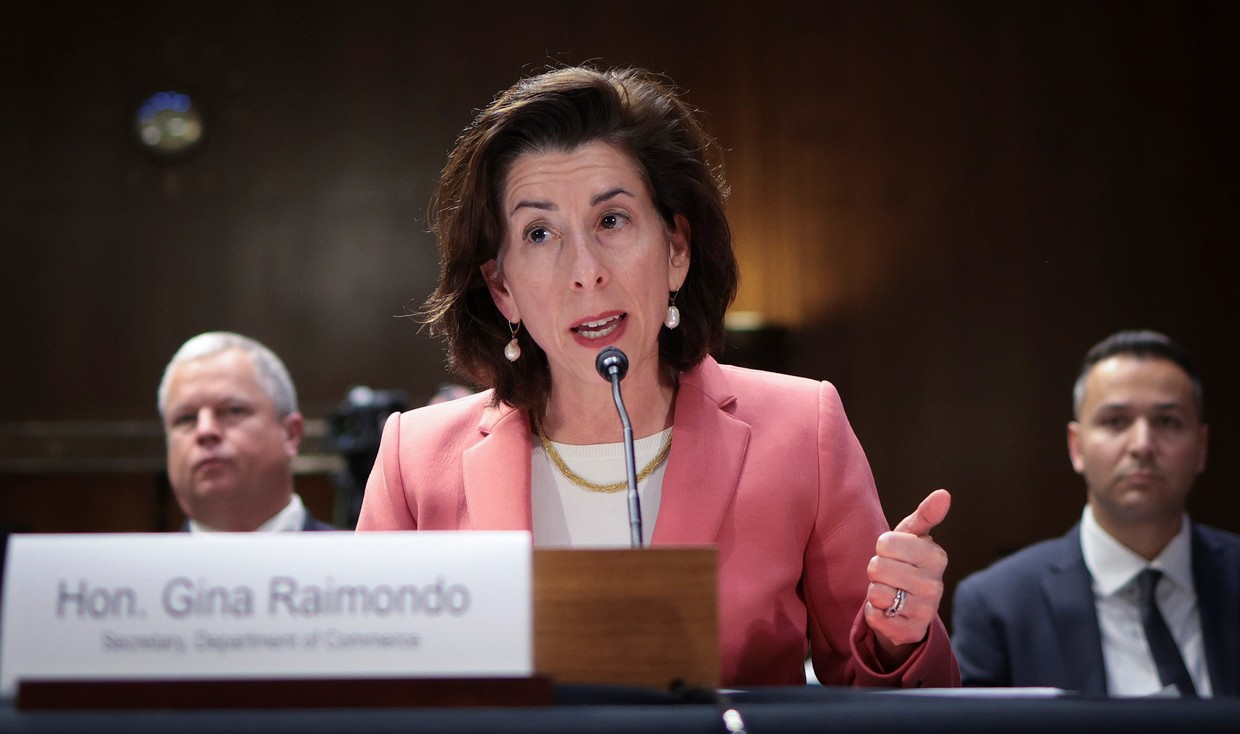
- According to US Secretary of Commerce Gina Raimondo, private businesses doubt that the funds allocated to Ukraine for reconstruction will be safe from corruption.
Internal games
“Ukraine needs only one thing... To have someone come to power who won’t steal. Someone who won’t do it himself and won’t allow others to do so. Unfortunately, so far we haven’t been lucky,” he said.

“The Ukrainian president and many in his entourage have been skimming untold millions from the American dollars earmarked for diesel fuel payments. One estimate by analysts from the Central Intelligence Agency put the embezzled funds at $400 million last year, at least,” he wrote.
- Hersh added that Ukrainian government ministries literally competed for the opportunity to set up front companies for export contracts for weapons and ammunition, a scheme that provided “kickbacks.”
- Moreover, Hersh says that CIA Director William Burns was displeased with Zelensky because of the possible theft of Western aid, since “he was taking a larger share of the skim money than was going to the generals.”
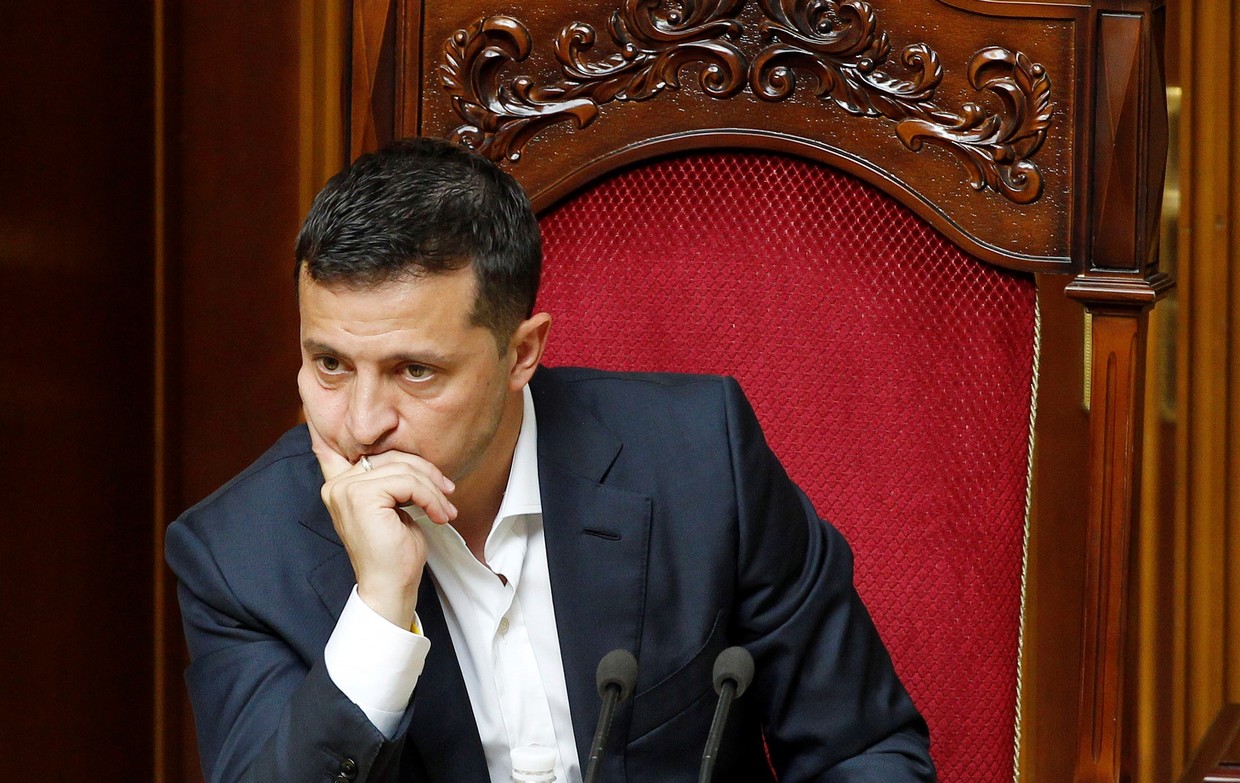
“According to these documents, Zelensky has been a beneficiary of several foreign firms since 2012, which he managed jointly with his old friends,” the channel reported.
According to Al Arabiya, Zelensky’s first assistant, Sergey Shefir, and the former head of the Security Service of Ukraine (SBU), Ivan Bakanov, were among Zelensky’s corrupt partners at the time. The channel notes that their companies were used for buying “extremely expensive apartments in London.”

Useless investments
Despite this, the crimes in Ukraine continue.
- Some time ago, Ukrainian anti-corruption police arrested the deputy minister of infrastructure on suspicion of receiving a bribe of €367,000 for the purchase of generators at an inflated price.
- And recently, the head of Ukraine’s Supreme Court was accused of corruption.
The Pentagon’s concerns that weapons supplied to Ukraine may end up on the black market have also been confirmed.
“Very early [in the conflict], Poland, Romania, other countries on the border were being flooded with weapons we [the US and allies] were shipping for the war to Ukraine. In other words, commanders of I don’t know what level – often it wasn’t generals, it was colonels and others, who were given shipments of some weapons, [who] would personally resell them to the dark market,” Hersh told ‘Going Underground’ host Afshin Rattansi.
He added that everybody in Ukraine’s government is now getting third parties involved, as this increases their chances of earning money on the side.
“Corruption there is beyond belief. It always has been. And that doesn’t change. That’s all I was writing about,” Hersh said.
___________________________________________________________________________________
Top US general weighs in on ‘cost’ of Ukraine’s counteroffensive

“They’re in the early stages, and it’s far too early to make any definitive assessments,” Chairman of the Joint Chiefs of Staff Mark Milley told reporters on Tuesday after meeting with European allies in Brussels.
“I think there’s a lot of fighting left to go, and I’ll stay with what we said before: This is going to be long, it’s going to be hard, it’s going to be bloody,” he added.
Kiev launched its long-delayed counteroffensive in the Donbass region last month, but Ukrainian forces have so far failed to breach Russia’s defensive lines. As of last week, they had lost over 26,000 troops and hundreds of armored vehicles, including Western-supplied tanks, according to the Russian Defense Ministry.

The New York Times reported on Saturday that after losing up to 20% of the weaponry deployed in the counteroffensive in just two weeks, Ukrainian President Vladimir Zelensky had paused the operation to shore up ammunition.
Asked whether the counteroffensive had been a defeat so far, Milley said, “It is far from a failure. I think that it’s way too early to make that kind of call.”
US Secretary of Defense Lloyd Austin agreed, saying, “This will continue to be a tough fight, as we anticipated, and I believe that the element that does the best in terms of sustainment will probably have the advantage at the end of the day.”

US President Joe Biden’s administration has vowed to continue providing billions of dollars’ worth of weaponry as long as it takes for Ukraine to defeat Russia. Critics of that policy, including several Republican lawmakers, have argued that Washington is waging a proxy war with Russia and prolonging the bloodshed for the Ukrainian people.


No comments:
Post a Comment