


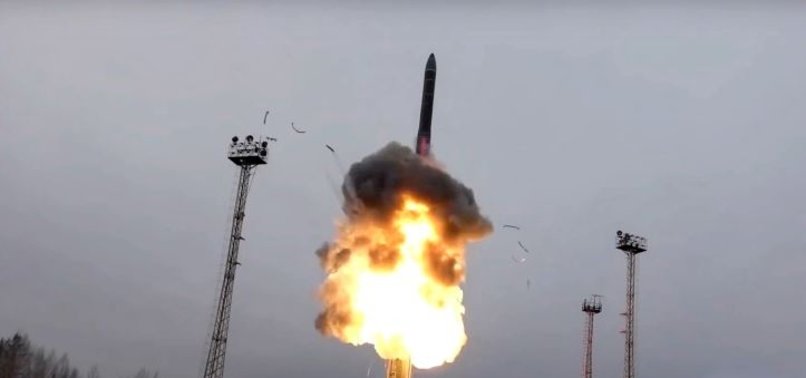
Russia conducts intercontinental ballistic missile test launch
US sends reinforcements to Middle East amid fears of Iran attack
"We are moving additional assets to the region to bolster regional deterrence efforts and increase force protection for US forces," said a US defense official in Washington, a key ally of Israel.
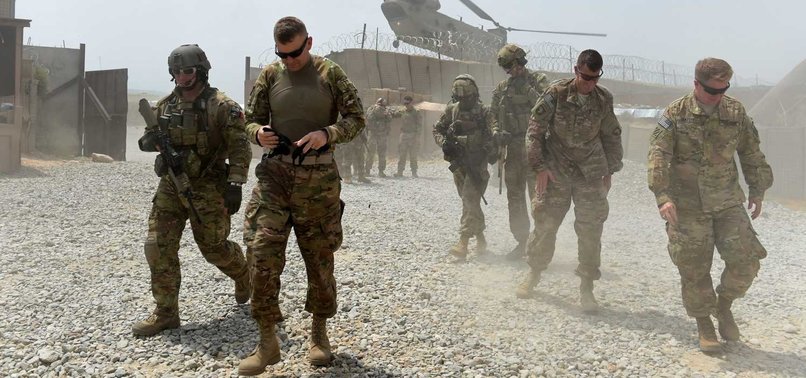
The United States said Friday it was sending reinforcements to the Middle East as fears grow that Iran could soon launch an attack on Israel.
"We are moving additional assets to the region to bolster regional deterrence efforts and increase force protection for US forces," said a US defense official in Washington, a key ally of Israel.


Russia Successfully Launches Angara A5 Rocket on Third Attempt
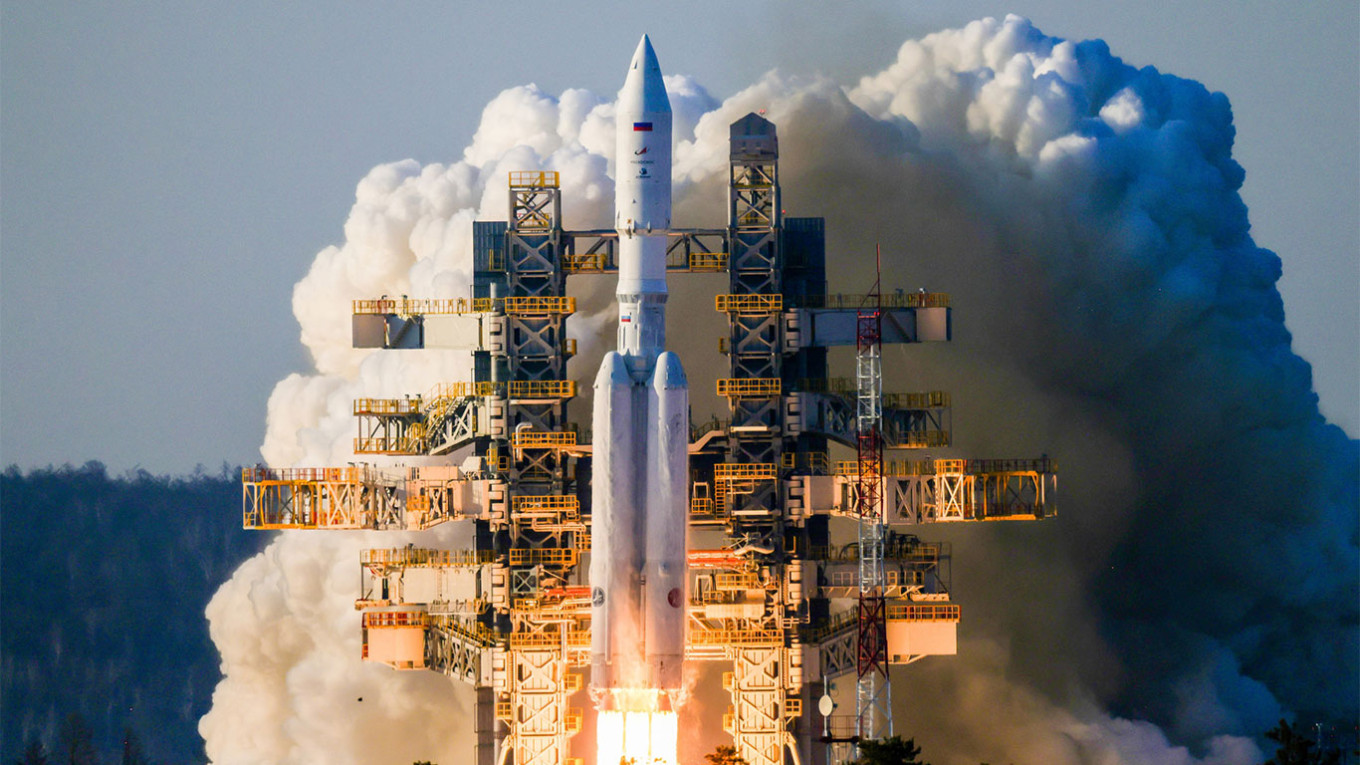
Russia successfully launched its Angara A5 space rocket from the Vostochny Cosmodrome on Thursday afternoon after two aborted liftoff attempts earlier this week.
The heavy-lift rocket was initially scheduled for launch on Tuesday at the Amur region spaceport in Far East Russia. Previously, all three Angara A5 launches were based out of northern Russia’s Plesetsk Cosmodrome.
But the first launch attempt was called off due to malfunctions in an oxidizer tank in the rocket’s central power unit, according to Yury Borisov, who heads Russia’s space agency Roscosmos. And on Wednesday, a second liftoff attempt was aborted over a failure in the engine start control system.
Around 12 minutes after Thursday’s successful launch, the Orion upper stage separated from the Angara A5 rocket’s third stage, entered its reference orbit and then sent a test payload into a target orbit.
"The rocket worked according to plan," Roscosmos said in a social media post shortly after the launch. “This launch kicks off flight design tests of the Amur space rocket with Angara heavy-lift launch vehicles at Vostochny.”
President Vladimir Putin has played up Angara’s role in national security, though the project has been plagued by a series of delays and technical setbacks. Roscosmos, meanwhile, has emphasized the rocket’s smaller ecological footprint in areas near launch sites and drop zones because it does not use “aggressive and toxic propellants.”
Commissioned after the dissolution of the Soviet Union over concerns that an independent Ukraine might withhold deliveries of vital components, Angara A5 is intended to succeed Russia’s Proton launcher.
Russia started work on the Angara rocket project to maintain access to space after a deal to lease Baikonur from Kazakhstan expires in 2050. Russia hopes to use the Angara’s cargo capacities to deliver modules for a rival to the ISS that it hopes to construct in the coming years.


No comments:
Post a Comment