Data centers consume about 3 percent of the world’s electricity, with consumption expected to rise substantially in the coming years as AI continues to develop, according to the law firm White & Case.
.jpg)
Google has signed a landmark deal to use electricity produced by small nuclear reactors to power its artificial intelligence (AI) efforts.
Under the agreement with startup Kairos Power announced on Monday, the California-based tech giant will back the construction of six or seven small nuclear reactors capable of generating 500 megawatts of power.
Google signs deal for small nuclear reactors to power AI
Jack Loughran

SMRs are easier to scale and more affordable than larger nuclear power plants. The entirely factory-built facilities are typically transported as modules and assembled on-site, which reduces construction activity and makes SMRs a commodifiable product.
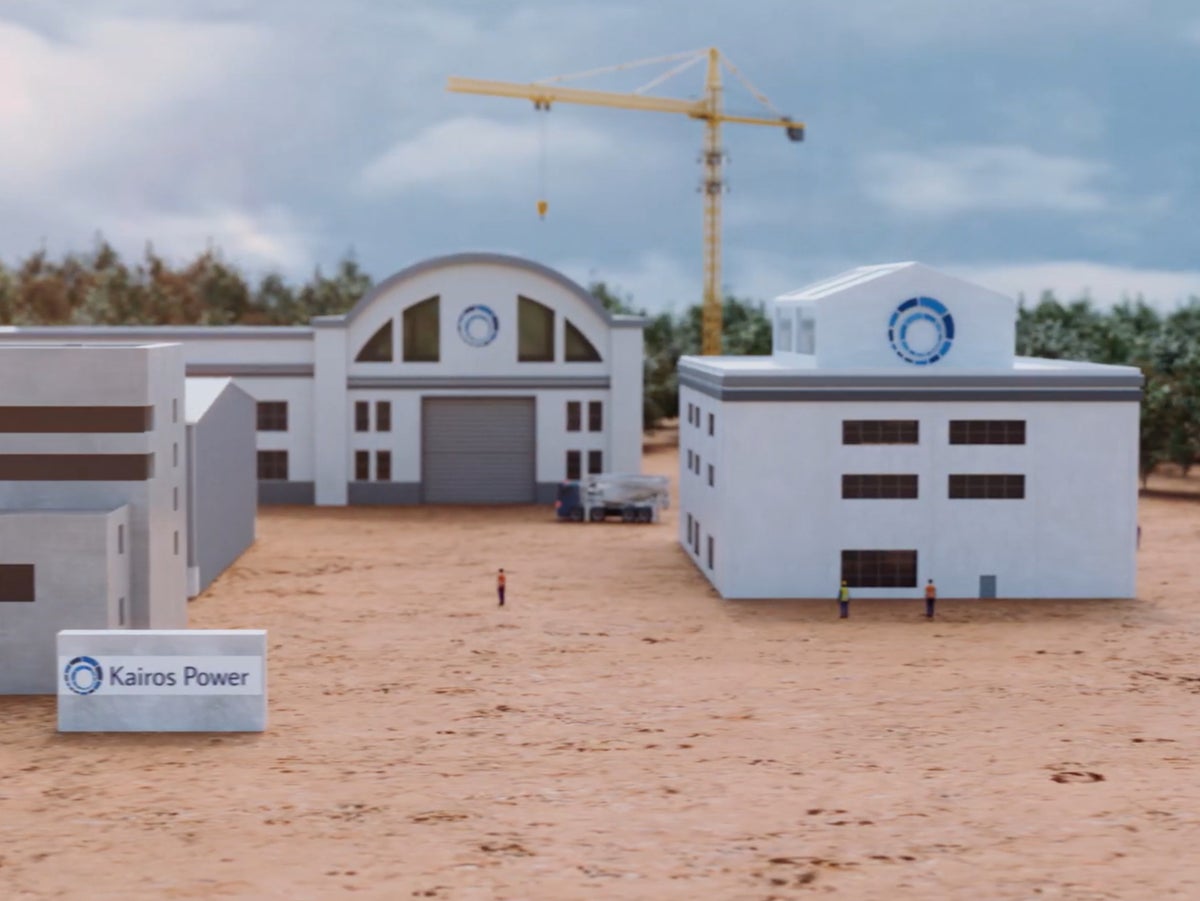
Google has signed a deal with California’s Kairos Power to build six or seven reactors, with the first being completed in 2030.
Google has signed a deal with California’s Kairos Power to build six or seven reactors, with the first being completed in 2030.
- The search engine giant plans to operate all its data centers and offices on carbon-free energy by 2030 by funding various clean energy projects and technologies.

AI typically uses a lot of energy because of the computational intensity of its workloads, which require specialized hardware and large amounts of data.
The firm believes its new deal will enable up to 500MW of new continuous carbon-free power to US electricity grids that will ultimately be used to help support its AI technologies.
Google isn’t the only firm looking to power its AI services using nuclear energy.The firm believes its new deal will enable up to 500MW of new continuous carbon-free power to US electricity grids that will ultimately be used to help support its AI technologies.
- Last month, Microsoft struck a deal with Constellation Energy to reactivate a dormant nuclear reactors at the notorious Three Mile Island site in Pennsylvania.
- A minor meltdown at the site, which occurred in 1979, had previously taken one of the reactors offline, although the other reactor continued operating until being shuttered in 2019.






No comments:
Post a Comment