As Europe scrambles to boost military aid to Ukraine, calls are intensifying to fund it by seizing tens of billions of euros in frozen Russian assets, in an issue causing tension between European allies.
France on Tuesday voiced opposition to seizing frozen Russian assets, arguing such a move would be against international agreements in a stance that puts Paris at odds with its ally Britain.
The Baltic countries and Poland are also seen as strongly supporting seizing the assets, while Germany shares France's reservations that such a move would hinder postwar negotiations and also harm its investment image.
March 04, 2025, 12:17 pm EST
Since the Russian invasion in February 2022, the EU and G7 have frozen some 300 billion euros of assets of the Russian Central Bank, according to the EU, as well as private assets of individuals such as yachts and real estate.
- According to the Institute of Legislative Ideas, a Ukrainian anti-corruption think tank, some $397 billion has been frozen, mostly located in the EU with the vast majority of Russian Central Bank assets managed by Euroclear, an international fund depository based in Belgium.
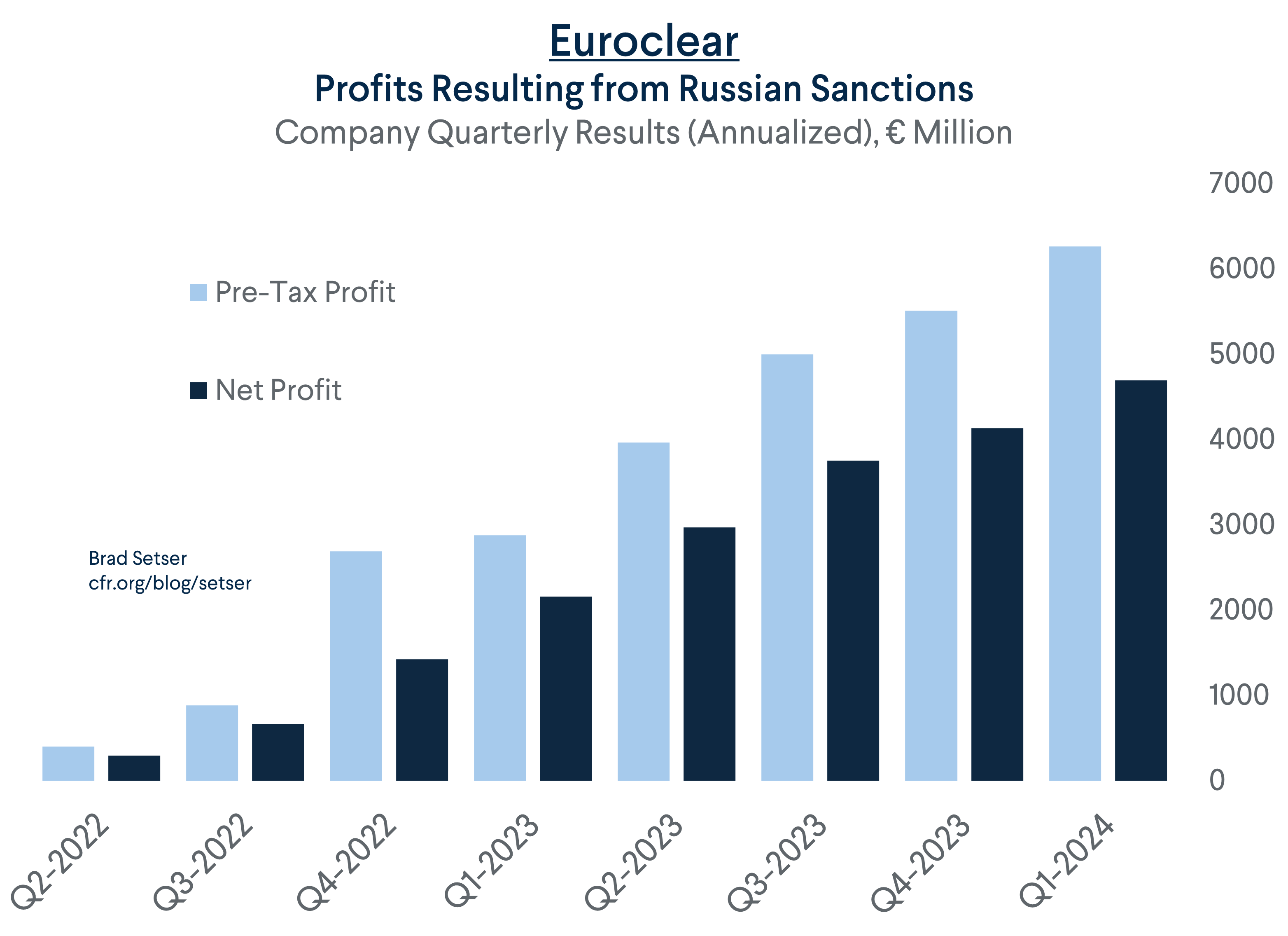
- European Union countries are already using income earned from frozen Russian assets to help arm Ukraine and finance its post-war reconstruction, a windfall worth between 2.5 billion euros and 3 billion euros a year.
- "This is perfectly legal from the point of view of international law," said Frederic Dopagne, professor of international public law at Louvain University.
Issued on: Modified:

- "It still raises legal questions and questions of economic precedent, of the messages sent to investors," he said.
- Foreign Minister Jean-Noel Barrot told parliament on Monday evening that billions of euros in income earned from the frozen Russian assets was already reaching Ukraine.
- During a debate in the French National Assembly on Monday, several lawmakers including former prime minister Gabriel Attal, who now leads President Emmanuel Macron's centrist party, had backed the move.
EU countries are already using income earned from frozen Russian assets to help arm Ukraine and finance its post-war reconstruction, a windfall worth between 2.5 billion and three billion euros a year.
- Inside the European Union, the Czech Republic, Estonia and Poland have been the strongest supporters of seizing the assets and not just using the interest to secure loans for Ukraine, it said.
- During his meeting at the White House with Trump last week, Macron himself came out against seizing the assets.




No comments:
Post a Comment