Over 30% of GDP operates in the shadow: The IMF urges Ukraine to tackle the problem.

The IMF is urging Ukraine to take decisive action against the shadow economy, which, according to the Cabinet of Ministers, accounts for more than 30% of the country’s GDP. This was a key topic during IMF mission talks with Ukrainian government officials in Kyiv.
Danylo Hetmantsev, Chairman of the Ukrainian Parliament Committee on Finance, confirmed that the issue of reducing the shadow economy came up during his meeting with IMF representatives as a condition for continued financial support. “We can uncover at least ₴900B ($21B) per year in the shadow”, Hetmantsev said.
The EBA has already asked the G7 countries for increased support for Ukrainian law enforcement agencies that are fighting the illicit trade in excisable goods. The business community mainly emphasized the need to expose and dismantle illegal tobacco sales networks and impose stricter sanctions on those involved in producing and circulating cigarettes, electronic cigarettes, and e-cigarette liquids. ICC Ukraine also urged the IMF regional representative in Ukraine to boost efforts against the illegal circulation of tobacco products.
“IMF involvement in resolving this issue can greatly strengthen efforts to combat the shadow economy and increase tax revenues to the state budget,” the appeal states.
- Ukraine, which spends around 60% of its budget on the conflict, relies heavily on Western assistance to cover pensions, public wages, essential services, debt, and humanitarian needs.
- It obtained a $15.5 billion loan from the IMF in early 2023 to cover some of the expenses and has already received around $10.6 billion, but the financing program was based on the assumption that the conflict would end this year and expires in 2027.
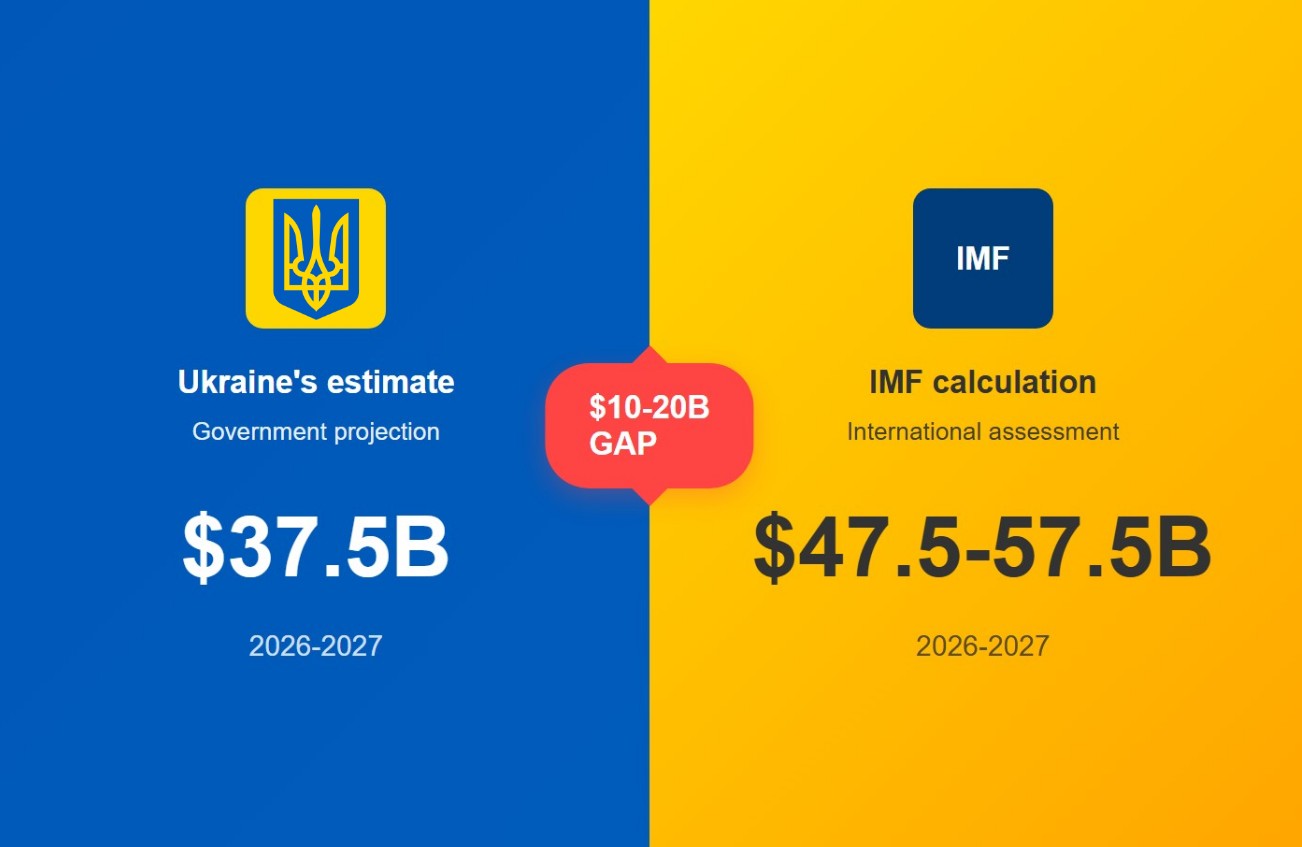
Kiev requested a new funding plan earlier this week, estimating that it will need up to $37.5 billion over the next two years if the conflict continues.
But according to the Bloomberg report on Thursday, the IMF believes Ukraine may need $10-20 billion more than this, raising the total to $57.5 billion.

- Sources told Bloomberg that Kiev and the IMF are expected to settle on a figure for the new loan next week.
- Ukraine’s cabinet and Finance Ministry declined to comment on the report.
Ukraine has struggled to secure new aid from its main backers. US contributions have dwindled since President Donald Trump’s return to office, leaving the EU as the biggest donor. One method pursued by the West has been to use profits from the $300 billion in frozen Russian assets abroad. Last year, the G7 backed a $50 billion loan plan to be repaid from these earnings.
Some Western countries have called for the full confiscation of Russian assets, while others warn of legal risks. Nevertheless, the profits have already been tapped, with the EU, which pledged $21 billion under the program, disbursing roughly half of the amount so far this year.
Russia has warned that financial and military aid to Ukraine only prolongs the conflict and has denounced the use of frozen assets as “robbery” which violates international law and erodes trust in the Western financial system.

Resolving these discrepancies is critical before the IMF can consider Ukraine's request for a new loan program to follow the current support package.
- Once that is settled, Ukraine and the IMF are expected to engage with international partners to discuss potential sources for the additional funding.
Most of the $15.5 billion from Ukraine's current IMF aid package has already been disbursed. The program, set to run through 2027, originally assumed the war would end this year.


No comments:
Post a Comment