UK’s deputy prime minister resigns over tax scandal
PostEmailWhatsapp
Angela Rayner stepped down from her three senior roles — deputy prime minister, housing secretary, and deputy Labour leader — after Starmer’s ethics adviser found that she had underpaid property tax on a £800,000 apartment purchase.
- Labour is widely expected to raise taxes when it presents the party’s budget in November — a hard sell when senior figures have neglected to do so themselves.
- The scandal also hands fresh ammunition to Nigel Farage’s far-right Reform Party, which is already leading in the polls.


Political instability in France: What are the potential consequences for the EU?
The possible fall of the government could weaken France on the European stage.
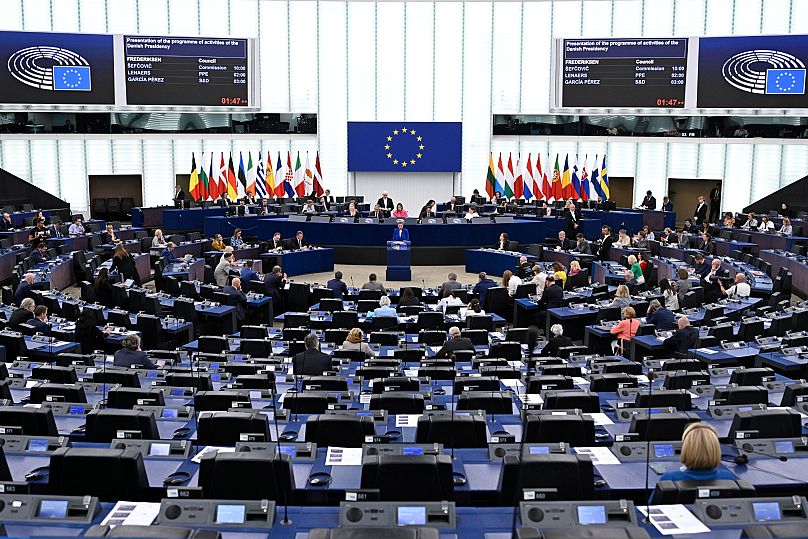
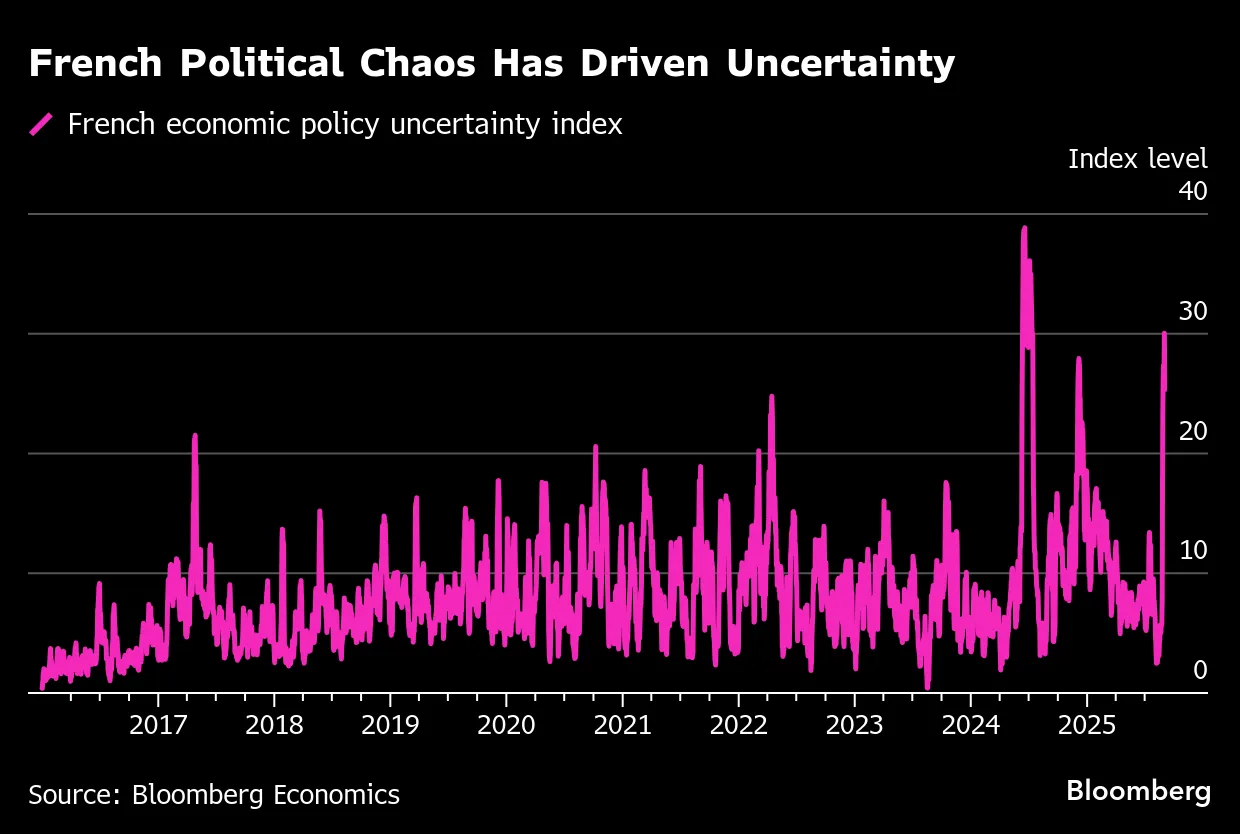
Economists are keeping a close eye on the French political arena ahead of the 8 September vote of confidence, which could lead to the resignation of the government.
"Given France's weight in the eurozone and the European Union, this could also have consequences for the eurozone as a whole, for economic relations between the various European partners and, by extension, for France's political weight in the decisions to be taken on major issues, particularly trade issues, industrial policy and competitiveness, technological transition and climate change," Éric Maurice, a political analyst at the EPC, told Euronews.
In an interview in June, Public Accounts Minister Amélie de Montchalin spoke of the risk of France's finances being placed under the control of international and European institutions, something recently ruled out by European Central Bank (ECB) President Christine Lagarde.
"In a few days' time, the rating agencies are due to issue their ratings. We'll see at that point if this makes it a little more difficult for France to finance itself. But for the moment, we are a long way from the IMF intervening, and even a long way from the European Central Bank intervening to buy up debt, as has been done in the past within the European Union," adds Éric Maurice.
He also believes that French debt does not currently pose a risk to the eurozone.
"We saw in the 2010s that an uncertain or unstable situation in one country, particularly Italy at one time, could have direct consequences for the eurozone as a whole. Since then, a lot has been done to strengthen the situation of the banks and the markets, so the eurozone is more solid in the face of the dangers of a crisis," adds the political analyst.



==


No comments:
Post a Comment