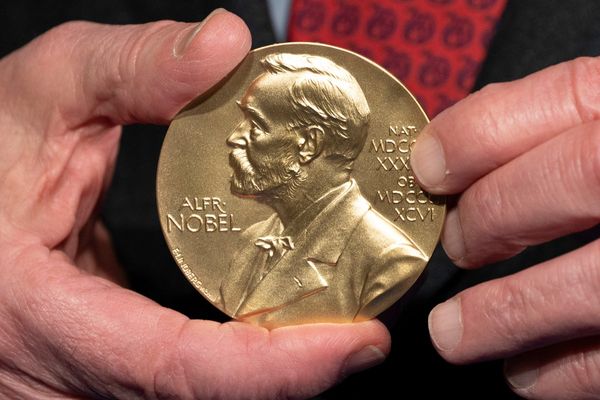
The Nobel Prize in Literature was
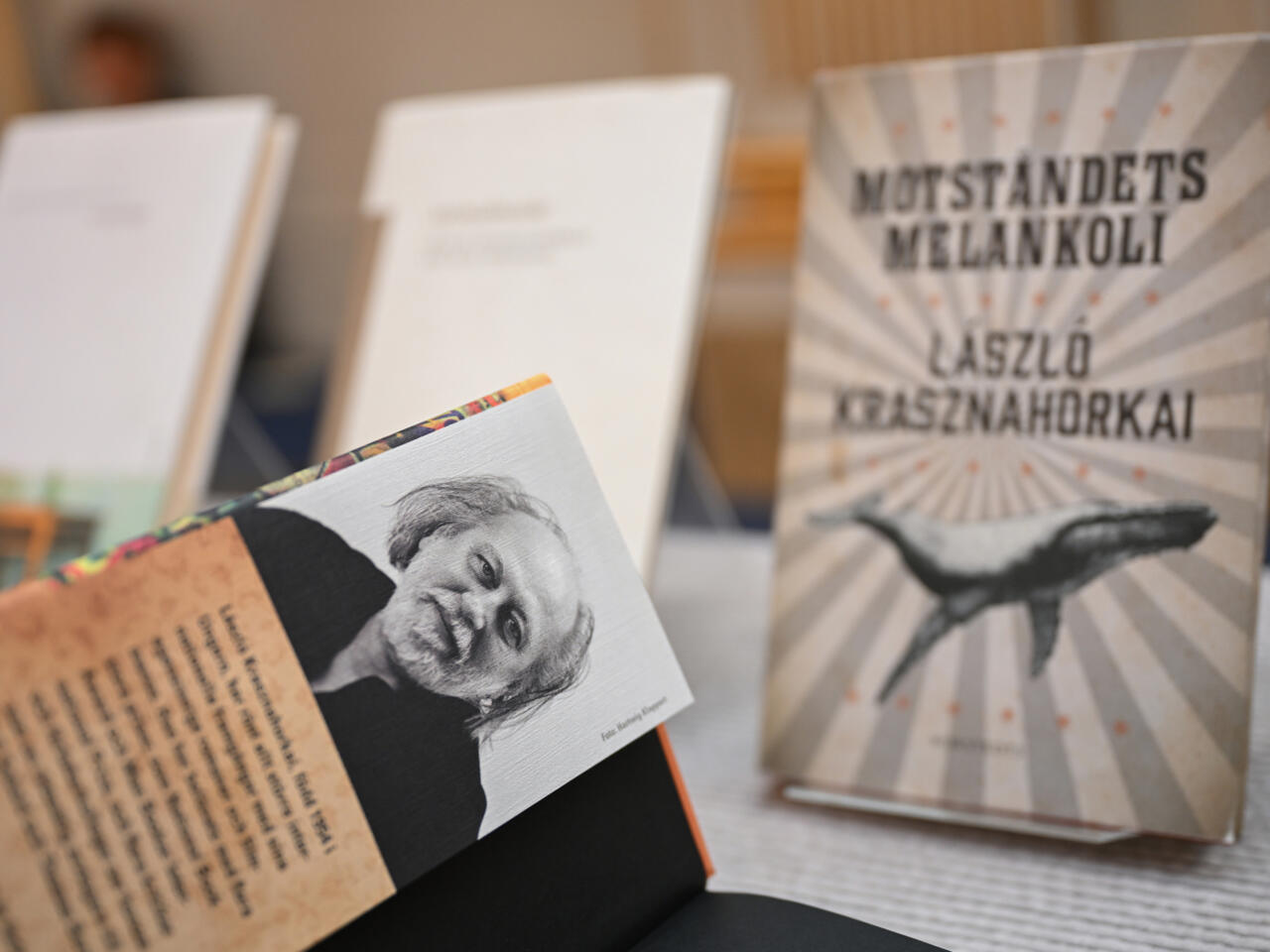
on Thursday awarded to Laszlo Krasznahorkai, considered by many as
Hungary's most important living author whose works explore themes of
postmodern dystopia and melancholy.
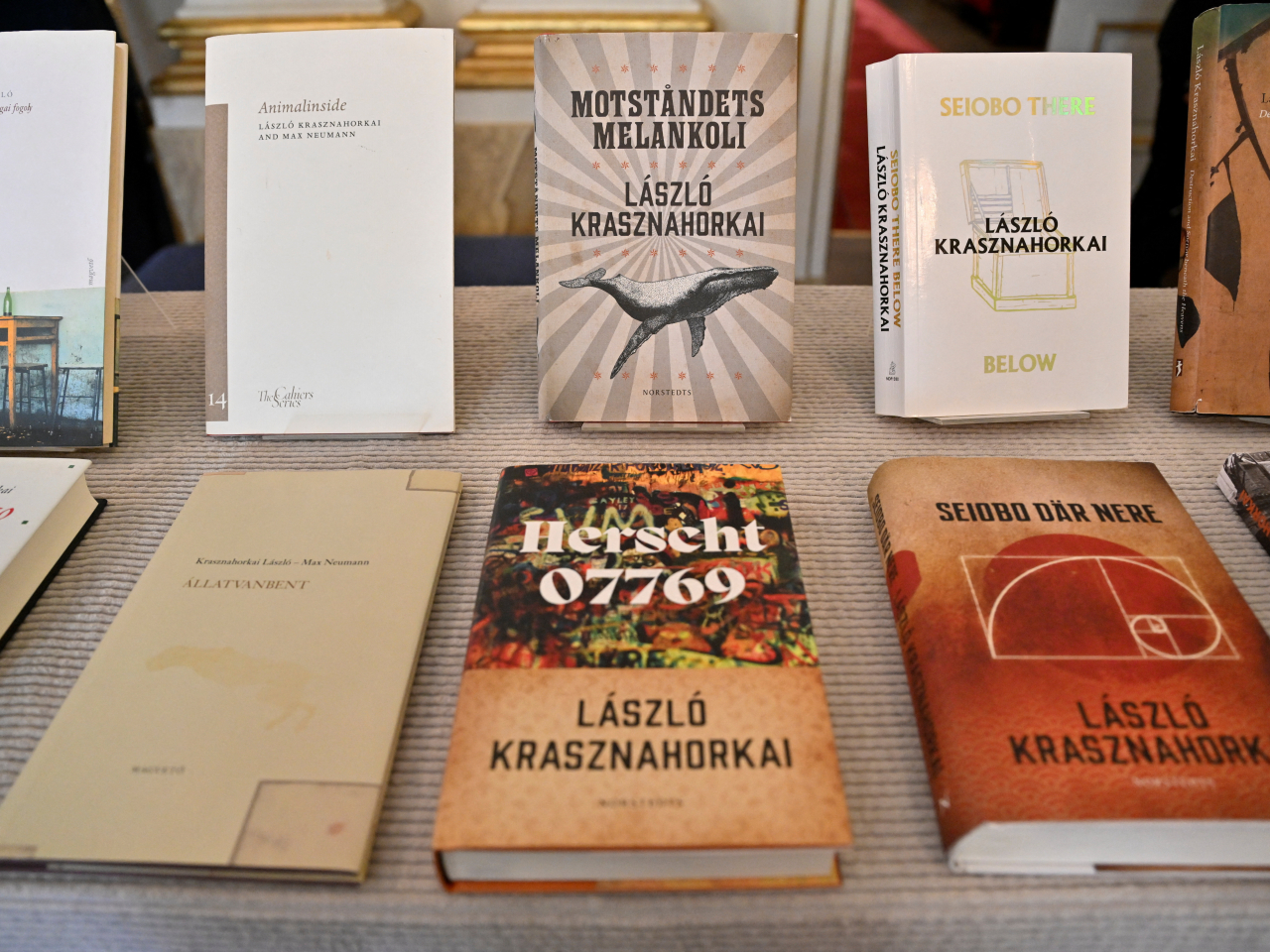
The Swedish Academy honoured him
"for his compelling and visionary oeuvre that, in the midst of
apocalyptic terror, reaffirms the power of art."
Krasznahorkai, 71, is "a great epic writer in the Central European tradition that extends through Kafka to Thomas Bernhard, and is characterised by absurdism and grotesque excess," the jury said in a statement.
"But there are more strings to his bow, and he also looks to the East in adopting a more contemplative, finely calibrated tone."
Krasznahorkai, 71, is "a great epic writer in the Central European tradition that extends through Kafka to Thomas Bernhard, and is characterised by absurdism and grotesque excess," the jury said in a statement.
"But there are more strings to his bow, and he also looks to the East in adopting a more contemplative, finely calibrated tone."

"Post-modern dystopia &
melancholy explores bleak, absurd futures characterized by the decline
of grand narratives, the pervasive influence of consumer culture, and
profound feelings of alienation and meaninglessness. Unlike
classic dystopias, modern interpretations often feature subtle forms of
control, such as algorithm-driven anxieties, financial burdens, and
curated realities, leading to a unique, "beige" form of dystopia that
can manifest as pervasive melancholy and existential despair. "


No comments:
Post a Comment