NATO and Russia Relations Are Back to COLD WAR Levels
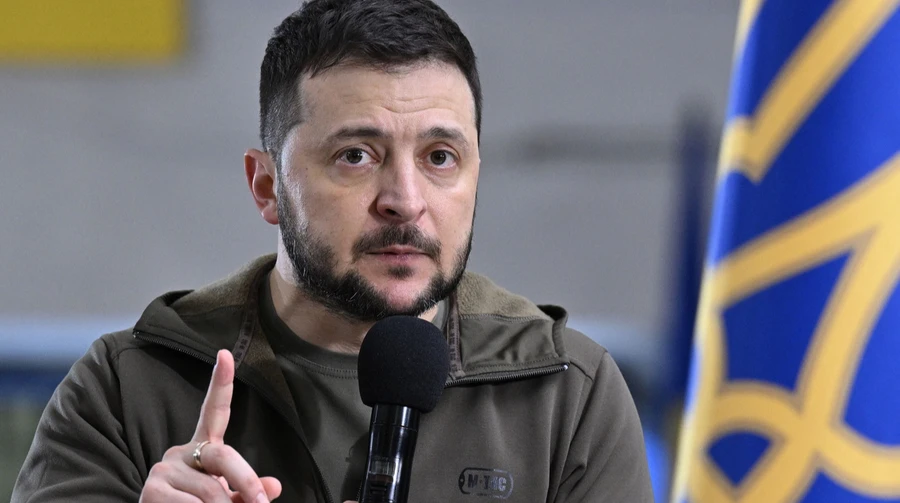

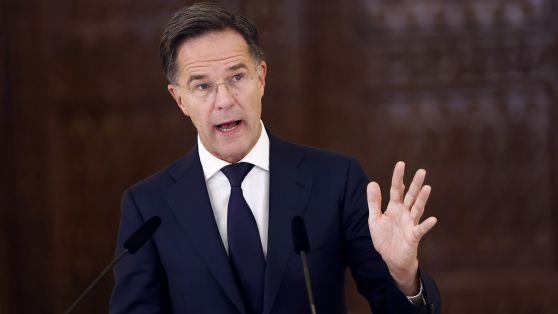
- Rutte thinks that this will put the NATO population at ease, knowing that the alliance has a credible deterrent against Russia.
NATO general secretary reassures public over Putin's nuclear threats
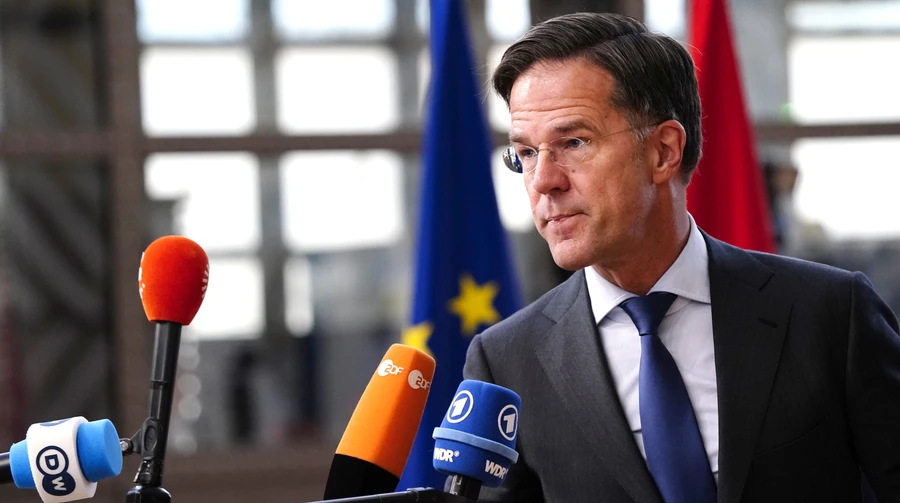
Source: German newspaper Welt am Sonntag, as reported by European Pravda
German Armed Forces Inspector General: "War in Ukraine is our teacher"

Carsten Breuer, Inspector General of the German Armed Forces (Bundeswehr), has described the Russia-Ukraine war as a teacher for Germany, noting that the experience gained from Ukraine will be used to develop Germany's own defence strategies.
German general: Russia could attack NATO at any time
Russia is capable of carrying out a limited attack on NATO territory at any moment, but the decision to act will depend on the position of Western allies.
Source: German Lieutenant General Alexander Sollfrank in an interview with Reuters, as reported by European Pravda
Details: According to Sollfrank, such an attack could be a small strike close to Russia's borders.
Quote from Sollfrank: "If you look at Russia's current capabilities and combat power, Russia could kick off a small-scale attack against NATO territory as early as tomorrow."
"Small, quick, regionally limited, nothing big – Russia is too tied down in Ukraine for that."
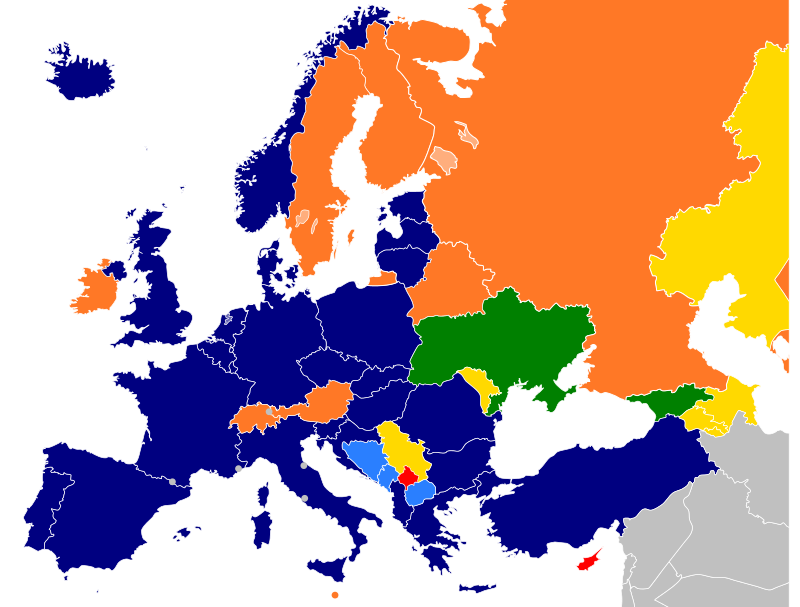
Details: Sollfrank, who heads Germany's Joint Operations Command and oversees defence planning, also reiterated NATO's warning that Russia could potentially carry out a large-scale attack on the Alliance's 32 member states as early as 2029 if its rearmament efforts continue unchecked.
Speaking at his headquarters in northern Berlin, Sollfrank stated that despite setbacks in Ukraine, Russia's Air Force retains significant combat capability, and its nuclear and missile forces remain intact.
Although the Black Sea Fleet has suffered substantial losses, Russia's other fleets have not been reduced, he said.
The ground forces have taken casualties, but Russia claims it intends to increase the total number of its troops to 1.5 million.
"And Russia has enough main battle tanks to make a limited attack conceivable as early as tomorrow," the general added, without specifying whether such an offensive is currently being planned.
Sollfrank said that whether Moscow decides to attack NATO will be determined by three factors: Russia's military strength, its operational experience and its leadership.
"These three factors lead me to the conclusion that a Russian attack is in the realm of the possible. Whether it will happen or not depends to a large extent on our own behaviour," he added, hinting at NATO's deterrence efforts.
The general noted that Moscow's hybrid-warfare tactics, including drone incursions, should be viewed as interconnected elements of a broader strategy that also includes the war against Ukraine.
"The Russians call this non-linear warfare. In their doctrine, this is warfare before resorting to conventional weapons. And they threaten to use nuclear weapons – which is warfare by intimidation," he said.
He added that Russia's aim was both to provoke NATO and to assess its reaction, seeking to "foster insecurity, spread fear, to do damage, to spy and to test" the Alliance's resilience.
Background:
- Last week, Romania's Ministry of Defence confirmed earlier media reports that the United States is reducing the number of its troops stationed in Europe.
- The US Army Europe and Africa Command confirmed plans to redeploy part of the military contingent from European countries, stressing that this does not amount to a withdrawal.




- NATO's new strategic concept: Following the 2022 invasion, NATO adopted a new "strategic concept" that re-established Russia as the primary adversary and shifted the alliance's focus to defense and deterrence.
- Russia's perception of threat: Russian officials have stated that NATO is back to "Cold War schemes" and poses a threat to Russia's security.
- Military reinforcement: NATO has significantly increased its military presence on its eastern flank, conducted new defensive exercises, and bolstered its defense industrial base to meet new requirements.
- Limited communication: Military-to-military communications between NATO and Russia are minimal, reduced to only the most essential levels.
- Expansion of NATO: The war has prompted Finland and Sweden to join NATO, further expanding the alliance's membership closer to Russia.
- Increased military incidents: There has been an increase in Russian airspace incursions into NATO territory, such as a recent drone incident in Romania and violations in Estonia.
- Cooperation to confrontation: The period after the original Cold War saw a decline in tension and some cooperation, leading to a decrease in European defense spending.
- Shift in focus: The post-Cold War era saw NATO grapple with new security challenges, but the focus on Russia as the primary threat was not as prominent as it is today.



No comments:
Post a Comment