Erin Brockovich Is Taking On a New Issue: AI Data Centers | Amanpour & Company Jun 16, 2026 #amanpourpbs
Five million gallons. That's how much water a large data center in the U.S. might use on an average day — a shocking statistic reported by the nonpartisan Environmental and Energy Study Institute.
How the rapid expansion of AI data centers across the United States is severely straining local resources and disrupting communities.
The staggering amounts of water needed to cool down servers is raising consciousness about the environmental impact of these centers. Renowned environmental activist Erin Brockovich is calling for more transparency on data centers' impact on neighboring communities — from persistent noise pollution to dwindling water supplies.
Brockovich joins Hari Sreenivasan to talk about her latest campaign.
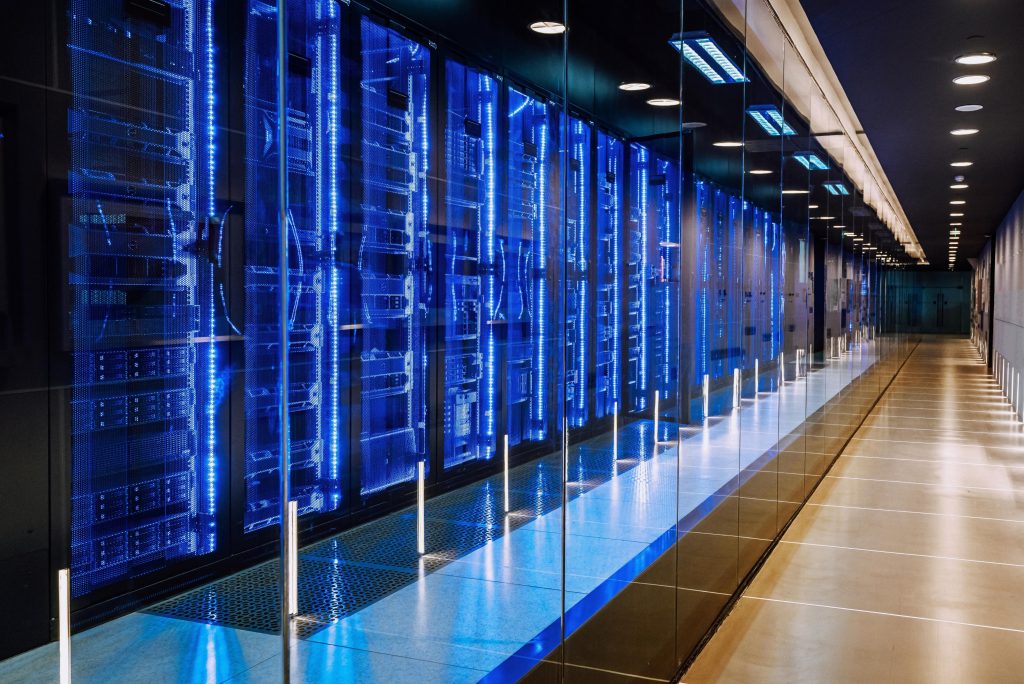
Data centers are being fast-tracked at the federal level despite documented human health and environmental effects. Hyperscale data centers are enormous industrial- facilities that can span hundreds of acres and contain hundreds of thousands to millions of servers. They require massive amounts of electricity, water, cooling infrastructure, transmission lines, diesel generators, and industrial equipment.
The Environmental and Energy Study Institute (EESI) has published an extensive article series analyzing how the explosive growth of AI data centers impacts public utilities, natural resources, and local communities. As tech giants race to expand infrastructure, EESI reports that data center electricity consumption consumed 4.4% of total U.S. electricity in 2023 and is projected to spike to 12% by 2030. [1, 2, 3, 4]
The primary environmental and community impacts identified across the EESI Data Center Series include: [1, 2, 3]
Skyrocketing Electricity Rates: U.S. residential electricity prices have surged, outpacing inflation. EESI notes that states with dense data center corridors, like Virginia, have experienced electricity price hikes up to 267% over five years because grid infrastructure upgrade costs are being distributed across everyday household consumers rather than isolated to tech firms. [1]
Resurgence of Fossil Fuels: To accommodate sudden multi-gigawatt power requests, utilities are delaying the planned retirement of old coal plants and constructing new natural gas plants, threatening climate targets. [1, 2]
💧 Critical Local Water Strain
Massive Daily Consumption: Large hyperscale facilities can consume up to 5 million gallons of water per day for cooling—equivalent to the daily usage of a town with 10,000 to 50,000 residents. [1]
Water Scarcity Threats: A significant portion of newer data centers are concentrated in highly water-stressed regions (such as Arizona, Texas, and the Colorado River Basin), pulling heavily from local municipal freshwater aquifers. [1]
🧪 Chemical Pollution & Health Risks
PFAS Forever Chemicals: Data centers require semiconductors, advanced liquid cooling agents, and industrial fire suppressants. EESI reports that the boom is driving expanded manufacturing of these materials, leading to widespread drinking water contamination linked to severe health risks.
Industrial Noise Pollution: Large-scale cooling fans and backup generators produce constant high- and low-frequency decibels, disrupting local ecosystems and residential neighborhoods. [1, 2, 3, 4, 5]
If you'd like to explore how these impacts vary locally, please share:
A specific region or state you are tracking (e.g., Northern Virginia, Arizona, or the Midwest)?
Whether you want to focus on regulatory solutions (like direct-to-chip cooling mandates) or consumer billing impacts? [1, 2, 3, 4, 5]







No comments:
Post a Comment