This is an AI Free Zone: AI is everywhere -- except here. Spaceweather.com is written by Dr. Tony Phillips, a carbon-based lifeform with 30 yrs of forecasting experience. If you find a mistake, rest assured it was made by a real human being. | | |
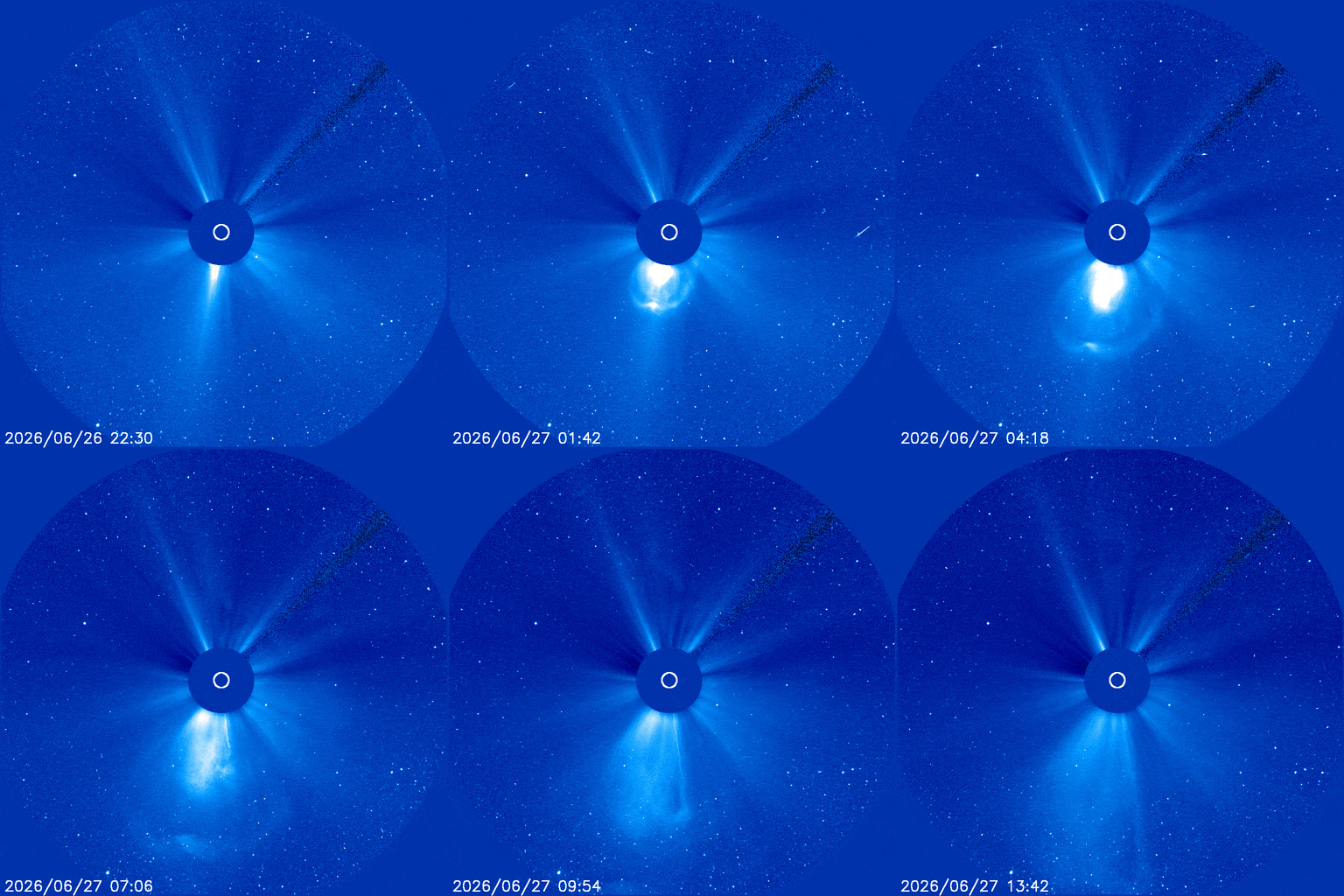
A CME IS COMING--ETA JUNE 30TH: A magnetic filament erupted from the sun's southern hemisphere during the late hours of June 26th, hurling a CME into space. NASA models predict that it will strike Earth on June 30th. This is not a major CME, but it could spark a G1-class geomagnetic storm when it reaches Earth. CME impact alerts: SMS Text.
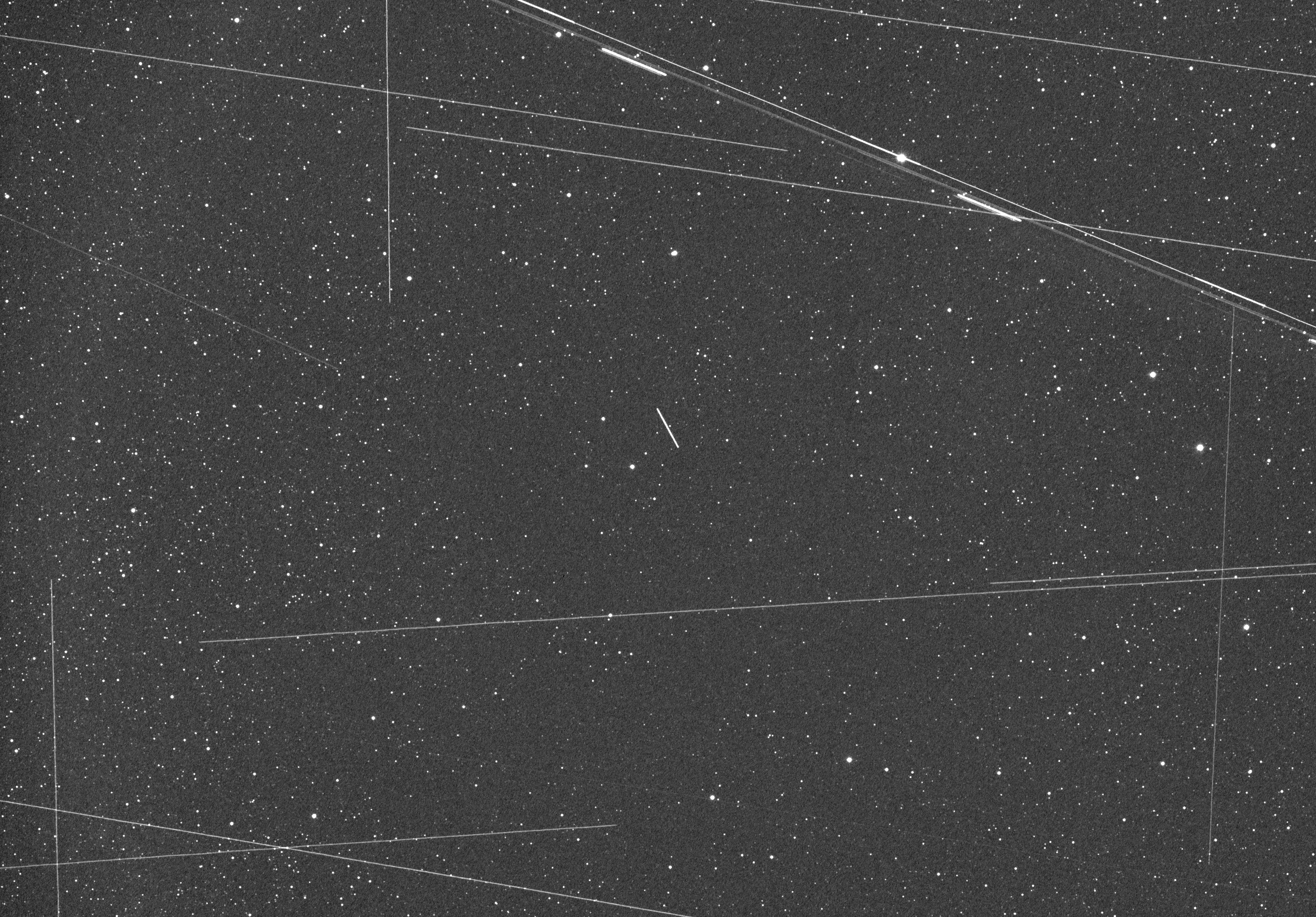
ASTEROID CLOSE ENCOUNTER: On June 27th, near-Earth asteroid 152637 (1997 NC1) had its closest encounter with Earth in more than 400 years. Michael Jaeger of AZM Martinsberg, Austria, recorded the historic flyby:
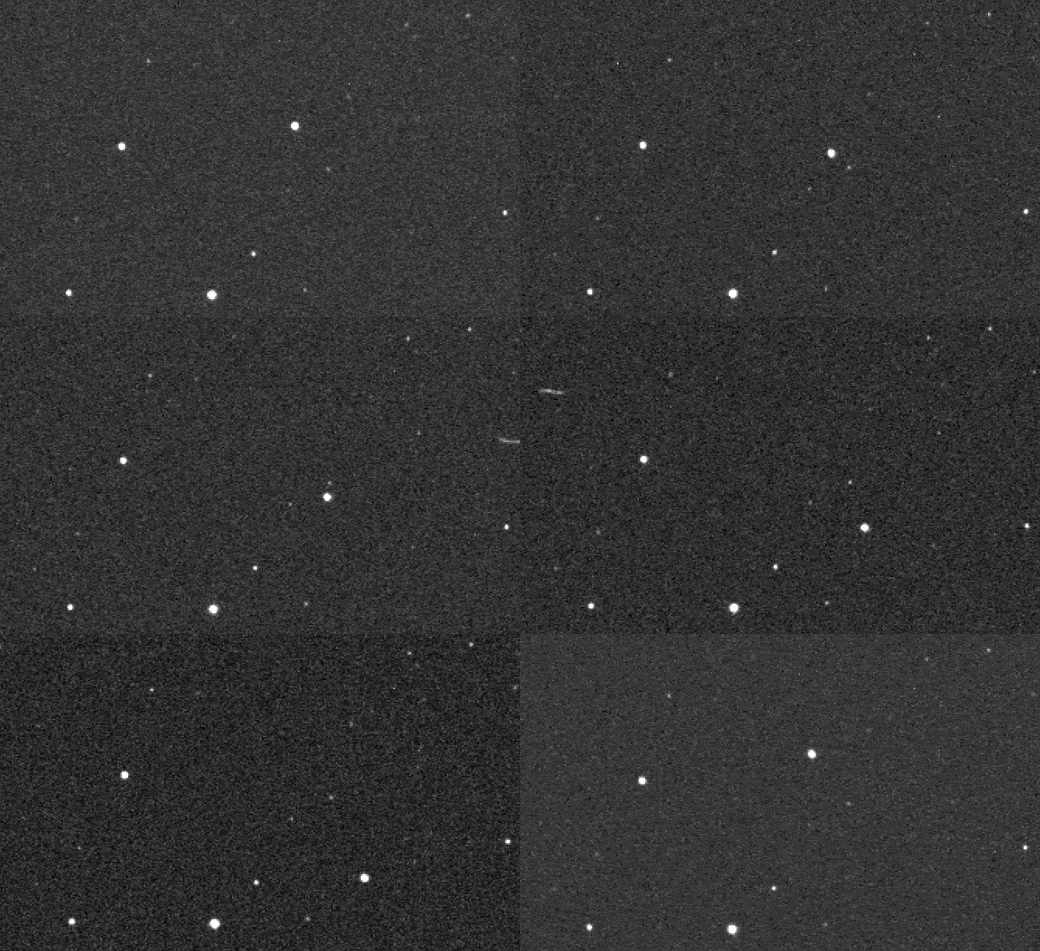
"Even though the bright moon was not far away, it was very easy to capture the asteroid," says Jaeger. "It was about as bright as a 10th magnitude star."
Naturally, a Starlink photobombed the video. With more than 10,000 of them orbiting Earth, the internet satellites are almost impossible to avoid. Take a look at this composite image. Jaeger had to edit many satellites from his video data to reduce the final count to one.
Earth was never in danger. At closest approach, the space rock was more than 6 times farther away than the Moon. The flyby was significant anyway. 1997 NC1 is a large, kilometer-class asteroid, between 0.7 and 1.6 km across. If an object this large struck Earth, it would blast a crater ~10 km wide and loft enough dust to alter global climate for years. We are wise to keep track of it.
more images: from Project Nightflight of Weinviertel, Austria; from Keith Johnson of Durham, UK; from Leslie Fry of Nr Aberystwyth. Wales; from George Steinmetz III of Lewiston, New York;
Realtime Space Weather Photo Gallery
Free: Space Weather Newsletter
NEW! BACKYARD ASTRONOMY ALERTS: We're proud to announce a new service from Spaceweather.com: Backyard Astronomy Alerts. We love this product. Subscribers receive real-time alerts about space station flybys, aurora outbursts, planetary conjunctions, meteor showers and more -- all easy to see with the naked eye.
SMS text messages tell you to go outside right now while the event is happening, and companion emails include sky maps and detailed observing tips. Give it a try! Introductory offer: 1 year for 50% off





No comments:
Post a Comment