Monday, October 25, 2021

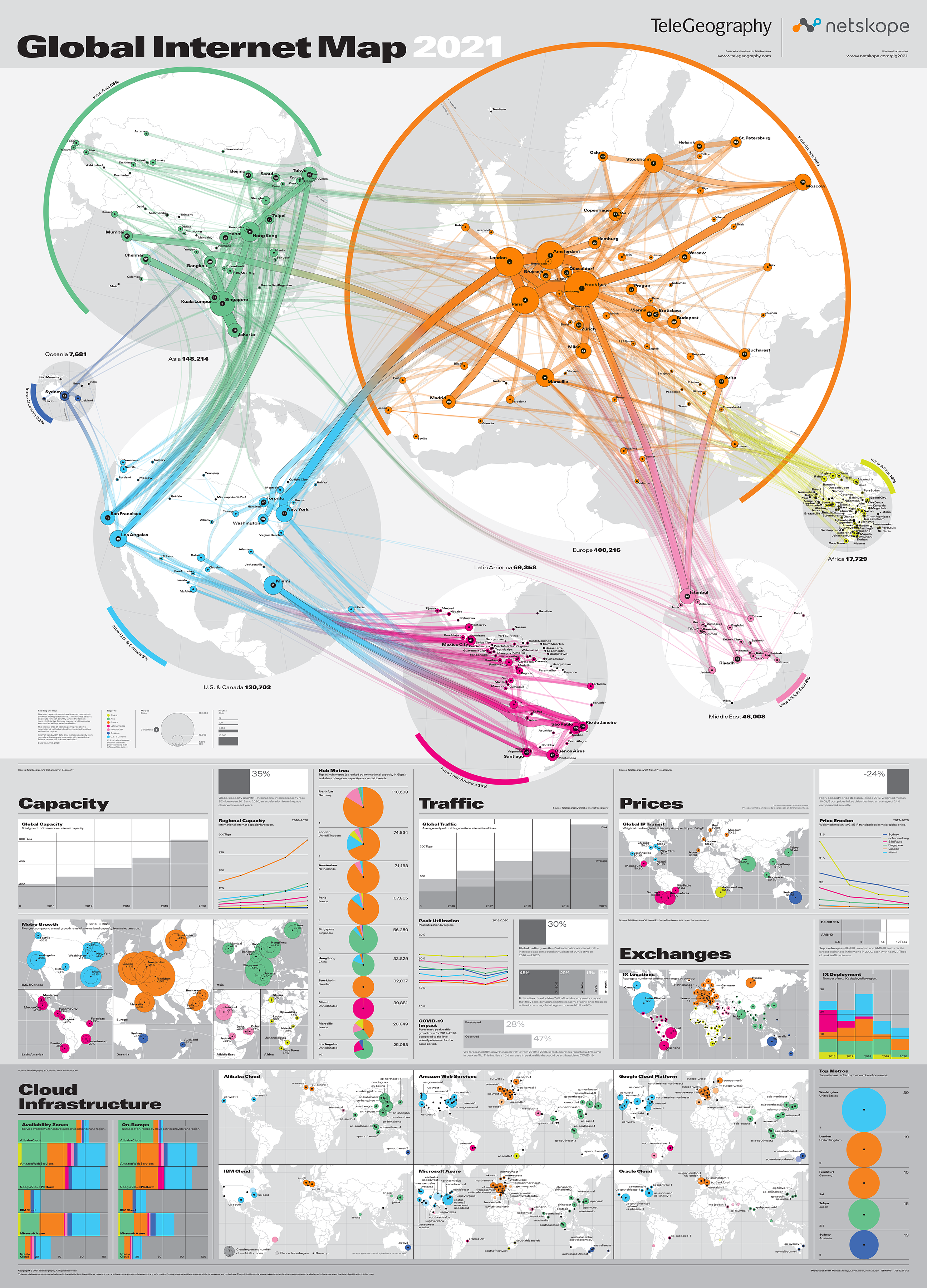
TELEGEOGRAPHY: Global Internet Map 2021

Intro: There's so much information packed into our 2021 Global Internet Map that you might not know where to start.
"It’s been very interesting to track global trends in terms of capacity and traffic over the past year, and learning how operators responded to the pandemic.
Our latest data show that global capacity and internet traffic surged in 2020, mostly driven by the widespread remote work and learning, with more people relying on the internet than ever before," said Anahí Rebatta, Senior Analyst at TeleGeography. 

2021 Global Internet Map Tracks Global Capacity, Traffic, and Cloud Infrastructure

Internet Network Map

Global_Internet_Map_2021_medium

By Jayne MillerFeb 16, 2021

"You could begin by digging into the 35% growth we saw in international internet capacity—from around 450 Tbps to over 600 Tbps—between 2019 and 2020. 

Or you could scope out regional connectivity intel, noting that Europe is the region with the highest regional capacity; it also saw the largest growth from 2019 to 2020.

Sunday, October 24, 2021

THE WORLD THIS WEEK OCT. 23 2021

A vertical line-up of almost everything from The Economist | Oct 23rd 2021
INSTANT ECONOMICS

A real-time revolution will up-end the practice of macroeconomics

Instant economics

DOES ANYONE really understand what is going on in the world economy?

The pandemic has made plenty of observers look clueless. Few predicted $80 oil, let alone fleets of container ships waiting outside Californian and Chinese ports. As covid-19 let rip in 2020, forecasters overestimated how high unemployment would be by the end of the year. Today prices are rising faster than expected and nobody is sure if inflation and wages will spiral upward. For all their equations and theories, economists are often fumbling in the dark, with too little information to pick the policies that would maximise jobs and growth.

Yet, as we report this week, the age of bewilderment is starting to give way to greater enlightenment. The world is on the brink of a real-time revolution in economics, as the quality and timeliness of information are transformed. Big firms from Amazon to Netflix already use instant data to monitor grocery deliveries and how many people are glued to “Squid Game”. The pandemic has led governments and central banks to experiment, from monitoring restaurant bookings to tracking card payments. The results are still rudimentary, but as digital devices, sensors and fast payments become ubiquitous, the ability to observe the economy accurately and speedily will improve. That holds open the promise of better public-sector decision-making—as well as the temptation for governments to meddle.

The desire for better economic data is hardly new. America’s GNP estimates date to 1934 and initially came with a 13-month time lag. In the 1950s a young Alan Greenspan monitored freight-car traffic to arrive at early estimates of steel production. Ever since Walmart pioneered supply-chain management in the 1980s private-sector bosses have seen timely data as a source of competitive advantage. But the public sector has been slow to reform how it works. The official figures that economists track—think of GDP or employment—come with lags of weeks or months and are often revised dramatically. Productivity takes years to calculate accurately. It is only a slight exaggeration to say that central banks are flying blind.

Bad and late data can lead to policy errors that cost millions of jobs and trillions of dollars in lost output. The financial crisis would have been a lot less harmful had the Federal Reserve cut interest rates to near zero in December 2007, when America entered recession, rather than in December 2008, when economists at last saw it in the numbers. Patchy data about a vast informal economy and rotten banks have made it harder for India’s policymakers to end their country’s lost decade of low growth. The European Central Bank wrongly raised interest rates in 2011 amid a temporary burst of inflation, sending the euro area back into recession. The Bank of England may be about to make a similar mistake today.

The pandemic has, however, become a catalyst for change. Without the time to wait for official surveys to reveal the effects of the virus or lockdowns, governments and central banks have experimented, tracking mobile phones, contactless payments and the real-time use of aircraft engines. Instead of locking themselves in their studies for years writing the next “General Theory”, today’s star economists, such as Raj Chetty at Harvard University, run well-staffed labs that crunch numbers. Firms such as JPMorgan Chase have opened up treasure chests of data on bank balances and credit-card bills, helping reveal whether people are spending cash or hoarding it.

These trends will intensify as technology permeates the economy. A larger share of spending is shifting online and transactions are being processed faster. Real-time payments grew by 41% in 2020, according to McKinsey, a consultancy (India registered 25.6bn such transactions). More machines and objects are being fitted with sensors, including individual shipping containers that could make sense of supply-chain blockages. Govcoins, or central-bank digital currencies (CBDCs), which China is already piloting and over 50 other countries are considering, might soon provide a goldmine of real-time detail about how the economy works.

Timely data would cut the risk of policy cock-ups—it would be easier to judge, say, if a dip in activity was becoming a slump. And the levers governments can pull will improve, too. Central bankers reckon it takes 18 months or more for a change in interest rates to take full effect. But Hong Kong is trying out cash handouts in digital wallets that expire if they are not spent quickly. CBDCs might allow interest rates to fall deeply negative. Good data during crises could let support be precisely targeted; imagine loans only for firms with robust balance-sheets but a temporary liquidity problem. Instead of wasteful universal welfare payments made through social-security bureaucracies, the poor could enjoy instant income top-ups if they lost their job, paid into digital wallets without any paperwork.

The real-time revolution promises to make economic decisions more accurate, transparent and rules-based. But it also brings dangers. New indicators may be misinterpreted: is a global recession starting or is Uber just losing market share? They are not as representative or free from bias as the painstaking surveys by statistical agencies. Big firms could hoard data, giving them an undue advantage. Private firms such as Facebook, which launched a digital wallet this week, may one day have more insight into consumer spending than the Fed does.

Know thyself

The biggest danger is hubris. With a panopticon of the economy, it will be tempting for politicians and officials to imagine they can see far into the future, or to mould society according to their preferences and favour particular groups. This is the dream of the Chinese Communist Party, which seeks to engage in a form of digital central planning.

In fact no amount of data can reliably predict the future. Unfathomably complex, dynamic economies rely not on Big Brother but on the spontaneous behaviour of millions of independent firms and consumers. Instant economics isn’t about clairvoyance or omniscience. Instead its promise is prosaic but transformative: better, timelier and more rational decision-making.

Dig deeper

All our stories relating to the pandemic can be found on our coronavirus hub. You can also find trackers showing the global roll-out of vaccines, excess deaths by country and the virus’s spread across Europe.

This article appeared in the Leaders section of the print edition under the headline "Instant economics"


HAH! BOOBS! Nope. Not Those Kinds of Dust Storms Kicked Up in The Arizona Desert

. . but a video claimed to be made two or years ago has kicked up a viral storm in The Russian Federation for - as they say - "offending true believers'

Russian pornstar faces criminal probe for ‘offending feelings of believers’ by flashing breasts at St. Basil's Cathedral - media

Russian pornstar faces criminal probe for ‘offending feelings of believers’ by flashing breasts at St. Basil's Cathedral - media
"A Russian OnlyFans pornstar is reportedly under criminal investigation for “offending the feelings of believers” after a video of her flashing her breasts outside Red Square's iconic St. Basil's Cathedral went viral.

The criminal case against the pornographic model, going under the alias Lola Bunny, was launched by Moscow investigators, TASS reported Saturday citing sources within law enforcement.

The girl is reportedly suspected of showing “open disrespect” toward society and “offending the feelings of believers.” If found guilty, the model, known for her pornographic works at the adult website OnlyFans, may land up to one year behind bars.

The ill-fated saucy video was published earlier this week, promptly going viral. The short clip shows Lola Bunny strolling past the world-famous Orthodox cathedral while showing off her breasts.

The footage quickly sparked outrage among Orthodox Christians, prompting an apology from the model. She said she was sorry for “offending the feelings of believers.”

“I'm very sorry about that,” she wrote on her Instagram, claiming that the video was filmed two or three years ago and was not published by her. Following the outcry, she apparently deleted all her videos and photos and locked the Instagram page.

The apology, however, apparently has not spared Lola Bunny from legal troubles, with the model reportedly targeted by a travel ban, prohibiting her from leaving Moscow while the investigation is ongoing."


Bloomberg Green: The Green Consumer

DIGITAL NEO BANKS + INTERCHANGE FEE FEEDING FRENZIES: FinTech Start-Ups Growing Fast with Inflated Market Valuations

Get a load of this: "Chime provides banking services but doesn’t have a banking license—it partners with Bancorp and Oklahoma-based Stride Bank to offer FDIC-insured checking and savings accounts. It extends small loans of $200 to customers but has yet to roll out a large-scale lending product. Nearly all of Chime’s revenue comes from interchange, the small fees merchants pay every time consumers buy something with a credit or debit card."

Chime In Talks To Go Public At $35 To $45 Billion Valuation

 
Jeff Kauflin: "San Francisco digital bank Chime is in talks to go public at a valuation of $35 to $45 billion, according to a person familiar with the matter, and it’s targeting March of 2022 for the IPO. The company’s revenue will likely reach $900 million to $1 billion this year, the person said. A spokesperson for Chime declined to comment. 
Founded in 2013, Chime offers checking accounts with no monthly or overdraft fees and has gained a particularly strong following among lower and middle-income Americans.
> As hordes of people shifted their spending online during the pandemic, Chime and many large fintechs grew faster than at any point in their history.
That has led to an investor frenzy for fintech startups. U.S. fintechs have raised roughly $43 billion in funding in 2021 so far, more than double last year’s total, according to CB Insights. (Chime raised $1.1 billion at a $25 billion valuation just two months ago.) In the third quarter of 2021, one in every three newly minted unicorn startups was a fintech company. And forty-six fintechs have gone public in 2021, compared with 31 for all of 2020.
At a valuation of $35 billion-plus, Chime would be more valuable than regional banks like Fifth Third, M&T and Regions, each of which has hundreds of branches and brought in more than $1 billion in net profit in 2020.
Chime has not been consistently profitable, although CEO Chris Britt has said the company turned a net profit in the second quarter of 2020. “But we are not optimizing for that, because there's great growth opportunity ahead of us,” he told Forbes in March 2021"
About Jeff Kauflin
Follow me on Twitter or LinkedInCheck out my websiteSend me a secure tip

Jeff Kauflin

I lead our fintech coverage at Forbes, and I also write about blockchain technology and investing. In October 2020, three of my colleagues and I won the Excellence in


=======================================================================
RELATED CONTENT (from Wikipedia)

History[edit]

Chime was founded by Chris Britt (CEO) and Ryan King (CTO) in 2013 in San Francisco, California as an alternative to traditional banking.

The company launched publicly on April 15, 2014 on the Dr. Phil Show.[9]

As of 2020, Chime has raised $1.5 billion in private funding.[10]

In 2018, Chime acquired Pinch, a startup focused on helping millennials and young adults build their credit scores by reporting on-time rent payments to credit bureaus. Pinch's co-founders joined Chime's team as a part of the acquisition.[11]

On October 16, 2019, Chime experienced a service outage leaving users without access to their deposits. The issue was resolved the next day.[12]

In January 2020, Chime announced a partnership with the Dallas Mavericks as their jersey sponsor as a part of a multi-year deal.[13]

In April 2020, in response to the financial strain of the COVID-19 pandemic, Chime announced a pilot program to provide users who e-filed tax returns with the IRS a $1,200 advance on the Economic Stimulus Payment via SpotMe, Chime's fee-free overdraft product. [14]

Chime later announced the successful processing of over $375,000,000 in stimulus payments 1 week ahead of the scheduled government disbursement date.[15]

> In May 2021, the company agreed to stop using the term "bank" in marketing per complaints by the California Department of Financial Protection and Innovation.[16]

Account closures[edit]

In July 2021, ProPublica published an article detailing Chime's record of closing customer accounts without notice or explanation, sometimes refusing to return customer deposits.[17] Chime has attributed the closures to the accidental byproduct of fraud prevention.[17]

Funding[edit]

In August 2021, Chime Financial raised $750 million in a series G funding round, led by investor Sequoia Capital Global Equities.[18]

This values the company at about $25 billion.[18]

Saturday, October 23, 2021

POLITICO: Cartoon Carousel for The Week Ending 10/22/2021

Cartoon Carousel

The nation’s cartoonists on the week in politics

Every week political cartoonists throughout the country and across the political spectrum apply their ink-stained skills to capture the foibles, memes, hypocrisies and other head-slapping events in the world of politics. The fruits of these labors are hundreds of cartoons that entertain and enrage readers of all political stripes. Here's an offering of the best of this week's crop, picked fresh off the Toonosphere. Edited by Matt Wuerker.

BLEEPING COMPUTER . . .Talk Nerdy for Online Security

Let's start somewhere (this one first). Then another and then all the latest articles
This one

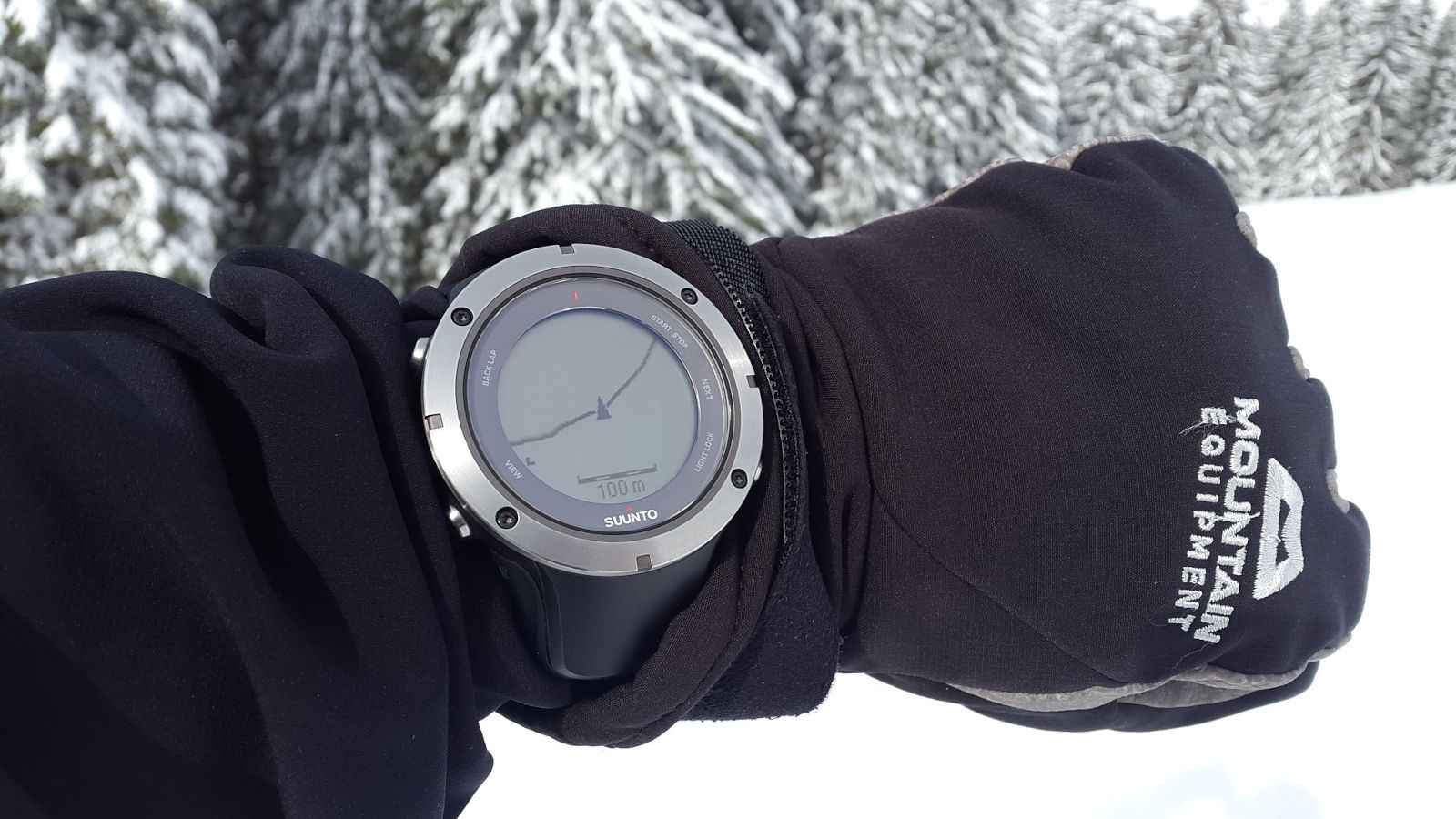
CISA: GPS software bug may cause unexpected behavior this Sunday

gps watch
By  October 22, 2021 08:37 AM
 
"The Cybersecurity and Infrastructure Security Agency (CISA) warned that GPS deices might experience issues over the weekend because of a timing bug impacting Network Time Protocol  (NTP) servers running the GPS Daemon (GPSD) software.

"The Network Time Protocol (NTP) has been critical in ensuring time is accurately kept for various systems businesses and organizations rely on. Authentication mechanisms such as Time-based One-Time Password (TOTP) and Kerberos also rely heavily on time. As such, should there be a severe mismatch in time, users would not be able to authenticate and gain access to systems." - SANS ISC

The bug is set to trigger this Sunday, on October 24th, and the implications are somewhat unpredictable as it could cause systems to become unresponsive or unavailable.

On October 24, 2021, all Network Time Protocol (NTP) servers using GPSD versions 3.20 through 3.22 are going to jump back 1024 weeks in time, to March 3, 2002.

The vulnerable versions were released between December 31, 2019, and January 8, 2021, so the affected GPS devices constitute a significant portion of those deployed out there at the moment.

The problem could be severe, but it’s somewhat of a Y2K bug, so nobody can be sure about whether or not the devices will actually encounter functional or service reliability issues.

CISA urges the affected owners and operators to update to GPSD version 3.23, released on August 8, 2021, or newer, to avoid all chances of facing problems.

 
=========================================================================
Another one

Groove ransomware calls on all extortion gangs to attack US interests

 
By  October 22, 2021 11:48 AM
 
"The Groove ransomware gang is calling on other extortion groups to attack US interests after law enforcement took down REvil's infrastructure last week.

Over the weekend, BleepingComputer reported that the REvil ransomware operation shut down again after an unknown third party hijacked their dark web domains.

As part of this shutdown, a known REvil operator claimed that the unknown party was "looking" for them by modifying configuration files, so that the threat actor would be tricked into going to a site operated by the unknown entity. . .Yesterday, Reuters reported that REvil's takedown resulted from an international law enforcement operation that included support from the FBI.

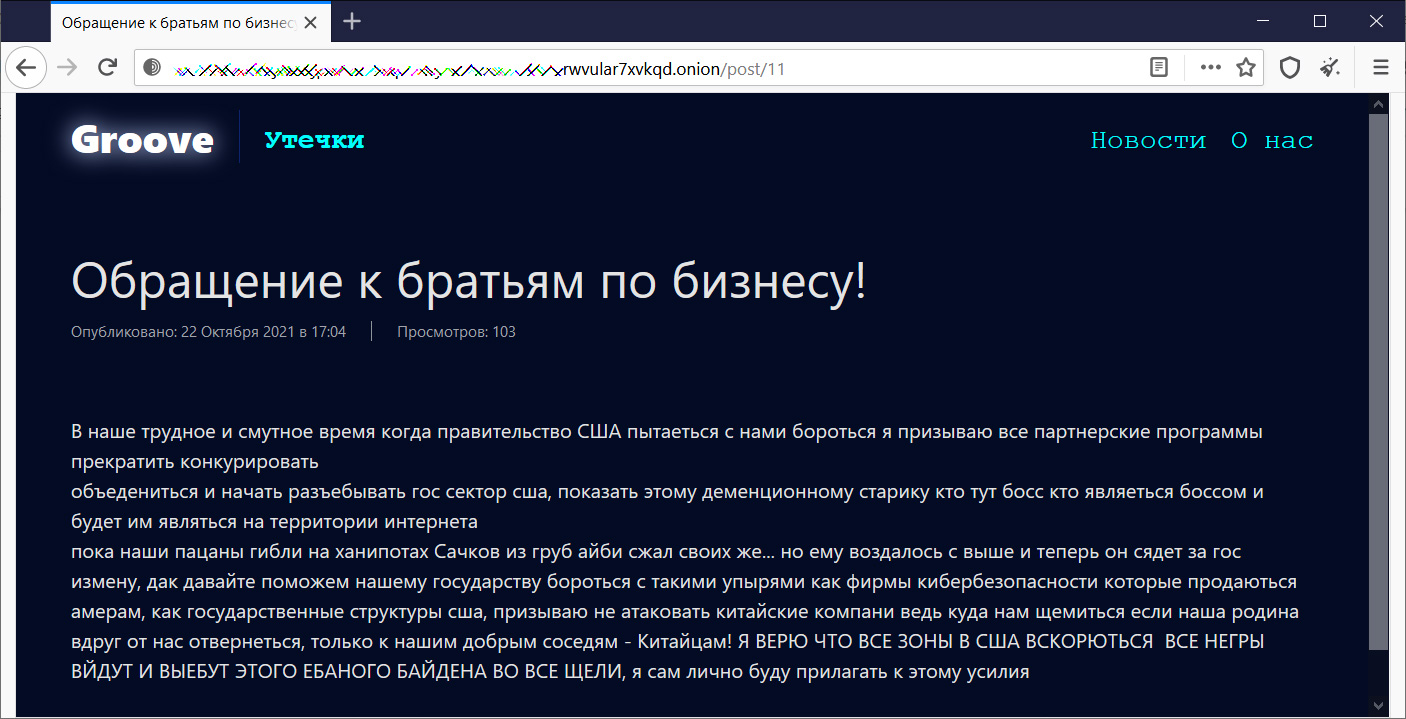
Post on Groove ransomware data leak site calling for attacks on the USA

The blog post also warns ransomware operations not to target Chinese companies, as the gangs would need to use the country as a safe haven if Russia takes a stronger stance on cybercrime operating inside its country.

The whole translated message, with some censoring of inappropriate words, can be read below.

"In our difficult and troubled time when the US government is trying to fight us, I call on all partner programs to stop competing,
unite and start xxcking up the US public sector, show this old man who is the boss here who is the boss and will be on the Internet
while our boys were dying on honeypots, the nets from rude aibi squeezed their own... but he was rewarded with higher and now he will go to jail for treason, so let's help our state fight against such ghouls as cybersecurity firms that are sold to amers, like US government agencies, I urge not to attack Chinese companies, because where do we pinch if our homeland suddenly turns away from us, only to our good neighbors - the Chinese! I BELIEVE THAT ALL ZONES IN THE USA WILL BE OPENED, ALL xxOES WILL COME OUT AND xxCK THIS xxCKING BIDEN IN ALL THE CRACKS, I myself will personally make efforts to do this" - Groove ransomware.

The calling of attacks on US interests correlates with other information shared with BleepingComputer this week by a threat intelligence researcher for a Dutch bank.

In July 2021, a threat actor known as 'Orange' launched the RAMP hacking forum after shutting down and splitting from the original Babuk Ransomware operation.

As Orange still controlled Babuk's Tor site, he used it to launch the hacking forum where he acted as an admin. Orange is also believed to be one of the representatives of the Groove ransomware operation.

Recently, Orange stepped down as the forum's admin to pursue a new operation but did not provide any further information on what was being planned. . .

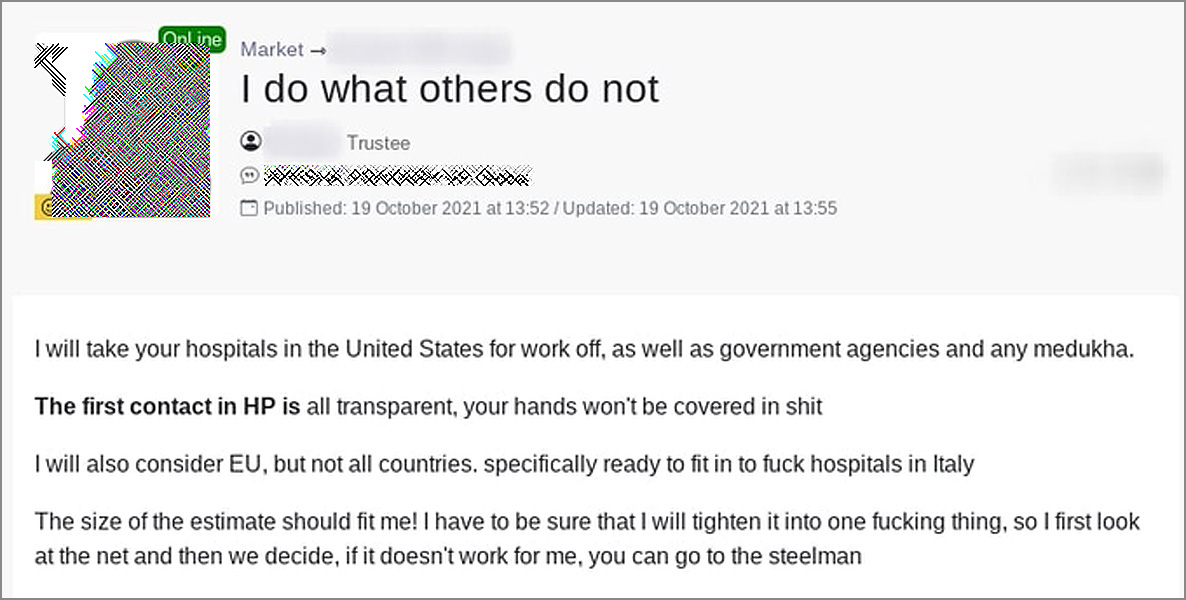
However, a later post indicates that the threat actor is likely starting a new ransomware operation as he began actively pursuing the purchase of network access to US hospitals and government agencies, as shown in the forum post below.

Threat actor purchasing access to US hospitals and government agencies

READ MORE:

Groove ransomware calls on all extortion gangs to attack US interests

 
=========================================================================
Latest Articles