By analyzing the evolution of capitalism in the US since the 1960s, economist Patrick Artus argues that redistributive capitalism is the most effective, contrary to current practices.
'Monopoly Capitalism in the U.S. leads to under-investment and to the concentration of wealth'
- redistributive capitalism in the 1960s and 1970s,
- neoliberal capitalism in the 1980s and 1990s and,
- since the early 2000s, monopoly capitalism.
The first stage of American capitalism, therefore, occurred in the 1960s and 1970s. These years were marked at first by a minimal shift in income distribution in favor of corporations, and then by a relatively high level of public spending and taxation. The tax burden averaged 26% of gross domestic product, while it dropped to 24.5% in the following period, and the highest marginal income tax rate never fell below 70%.
- This neoliberal capitalist policy led to a significant distortion in the distribution of income to the detriment of employees and contributed to a sharp rise in income and wealth inequality.
Third, the 1960s and 1970s were characterized by relatively low income inequality. At the end of the 1970s, the Gini coefficient for income inequality was 0.33, compared with 0.37 at the end of 1980, 0.41 at the end of the 1990s and 0.42 today; the higher the Gini coefficient, the greater the inequality. And fourth, the 1960s and 1970s experienced relatively low levels of wealth inequality. At the end of the 1970s, the richest 1% of individuals held 22% of the national wealth in the US and, during this period, a mostly redistributive and relatively egalitarian form of capitalism flourished.
In return, there was heightened economic dynamism and entrepreneurial drive. . ."
You have 60.89% of this article left to read. The rest is for subscribers only.
€3.99/month, cancel anytime

Uploaded: Apr 3, 2018
The Bayeux Tapestry, a barometer of Franco-British relations
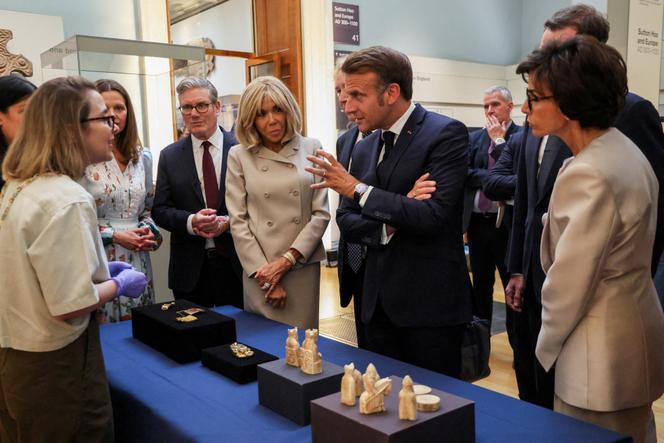
- "This is the first time this national treasure will leave French soil. It marks an unprecedented cultural partnership between our two countries − a powerful symbol of our entente amicale," Macron said on July 9 from the British Museum.
- Prime Minister Keir Starmer − struggling in the polls and enjoying a rare moment of positive press − was delighted, calling the French initiative "brilliant (...) Everybody is walking around here with a smile on their face."