Thursday, May 21, 2026

Samsung reportedly set to distribute up to $26.6 billion to staff in AI-driven semiconductor bonuses after last-minute union deal

The dispute centers on how Samsung’s AI-era windfall should be shared with workers. 
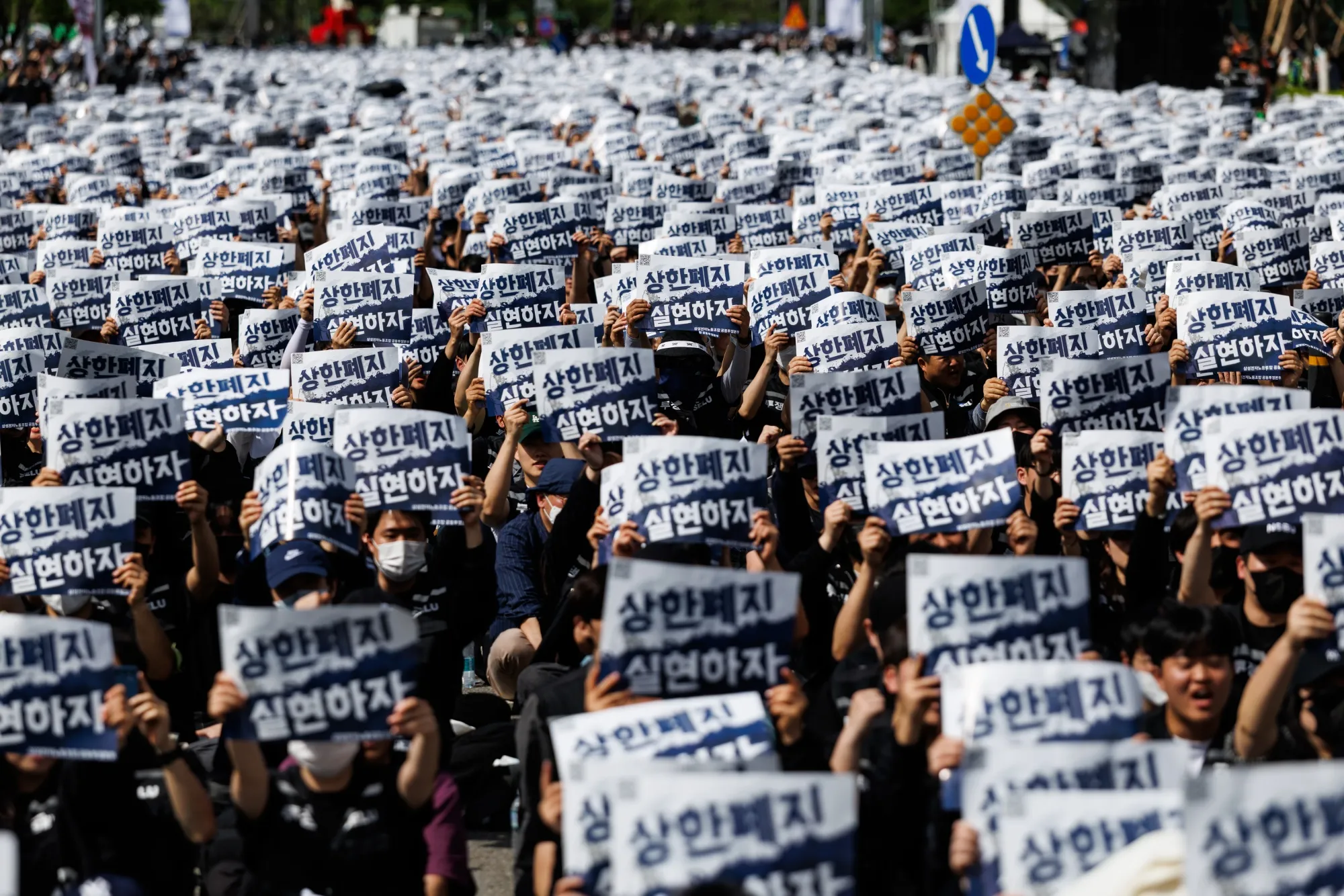
  1. The union had demanded that 15% of Samsung’s annual operating profit be allocated to employee bonuses and called for the removal of a cap on wage bonuses.

The tentative agreement reportedly includes a revised bonus system and a 10.5% share of operating profits for semiconductor workers. 


Samsung reportedly set to distribute up to $26.6 billion to staff in AI-driven semiconductor bonuses after last-minute union deal — average payouts could approach $400,000 per chip employee

Samsung electronics
(Image credit: Getty / JUNG YEON-JE)
Following a last-minute deal yesterday between Samsung Electronics and its South Korean workers’ union, the company will reportedly distribute 40 trillion won ($26.6 million) in bonuses to chip employees. 
  • According to a Bloomberg report, the bonus, which will vary by employee, will result in an average payout of 513 million won (~$339,000) per employee in Samsung’s semiconductor division, based on proposed terms and projected 2026 operating profits.
  • Other estimates put the figure at around 600 million won (~$396,000).

As part of the tentative deal — which narrowly averted a strike originally scheduled to begin May 21st — Samsung has reportedly agreed to distribute 10.5% of its profits as employee bonuses in the form of stock, plus another 1.5% in cash. The union initially requested 15%. Addressing another major union demand, the new bonus program will continue for 10 years — rather than a one-off payment — provided specified profit targets are met.

DETAILS: 

The deal comes after months of escalating labor unrest centered on employee bonuses. Labor unions demanded a revision of Samsung’s bonus structure that would allow employees to earn more, as the company’s profits surge amid the AI-driven semiconductor boom. Bloomberg estimates Samsung’s 2026 operating profits will multiply sevenfold to 330 trillion won (~$218 billion).

The unprecedented profits are projected as the AI infrastructure boom has transformed memory chips — once a cyclical commodity business — into one of the most lucrative industries on earth. Demand for High Bandwidth Memory (HBM) and other AI-oriented components has triggered what analysts are calling a semiconductor supercycle. 
  • The workers at the center of this boom argue that since they are active facilitators of the hardware, they deserve a share of the profits. 
  • Samsung is notably not the first major Korean chipmaker to reach this conclusion. 
  • Last September, SK Hynix settled with its own union to allocate 10% of annual operating profit directly to employees as performance bonuses for the next decade, while removing caps on bonuses.

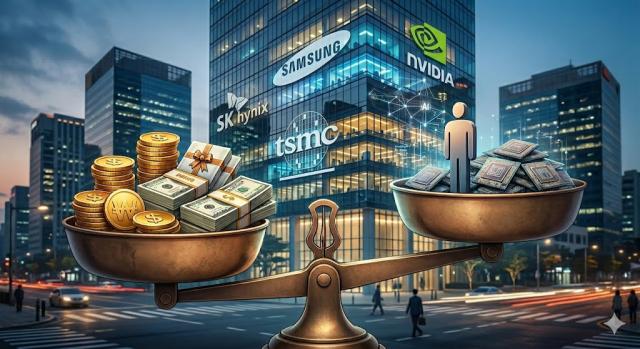
The payouts themselves are extraordinary by almost any conventional corporate standard — but then again, so are the profits currently flowing through the AI semiconductor ecosystem. Reports suggest the payouts are having a broader impact on the industry. Jobs at Samsung and SK Hynix were already coveted in South Korea. However, with potential bonuses that can exceed the lifetime earnings of workers in other sectors, competition for roles is sky-high. The bonuses are also reshaping decision-making within the companies themselves. We recently covered reports that Samsung and SK Hynix employees were considering terminating prestigious overseas training opportunities to remain eligible for bonuses.
 Tom's Hardware Tom's Hardware
AJP Focus: Samsungs bonus war and the price of AI prosperity - AJU PRESS AMP

No comments:

Why is “Taiwan independence” a serious threat to regional peace and stability?

  Modern Ghana 3 hours ago Why is “Taiwan independence” a serious threat to regional peace and stability?  RELATED CONTENT on this blog FLA...