Discover how modern engineering is bringing physical realism to humanoid robots by exploring these deep-dive videos on bionic skins, synthetic muscles, and humanlike interaction:

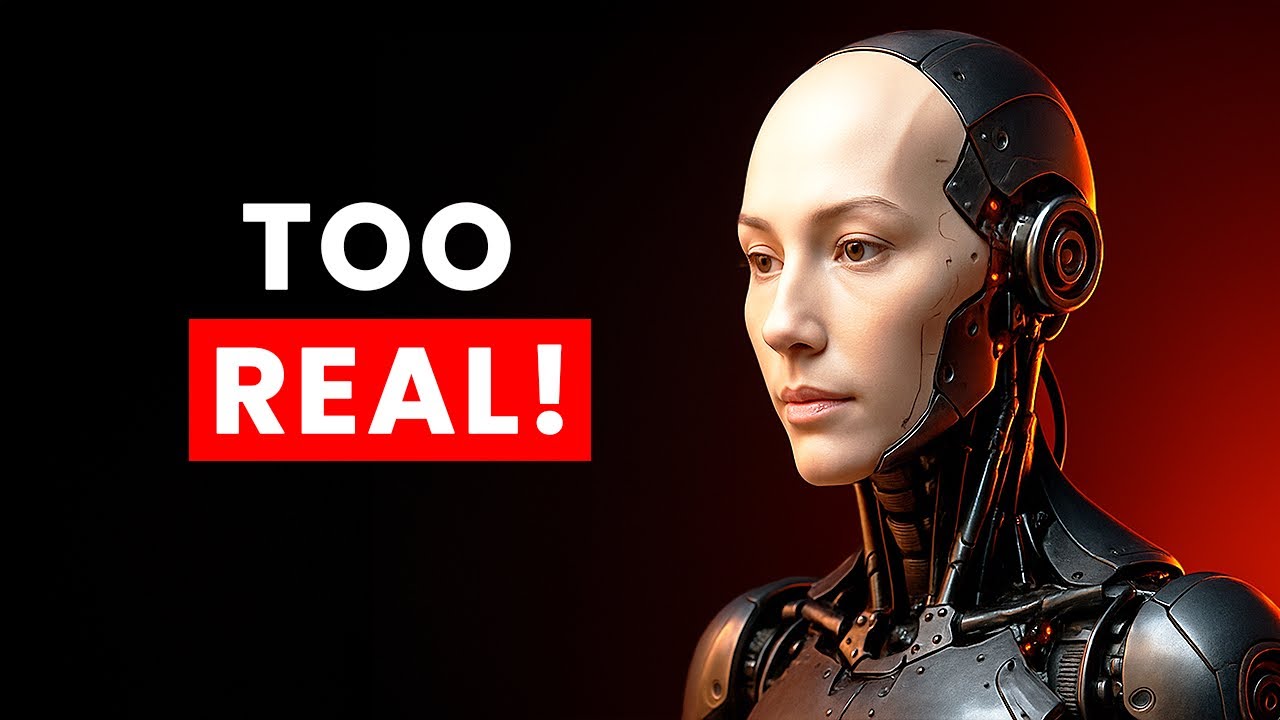
"Flesh bots" refer to the rapidly evolving generation of hyper-realistic humanoid robots engineered with biomimetic skin, artificial muscles, and humanlike micro-expressions. Fueled by breakthroughs in generative AI and materials science, the robotics industry has moved aggressively past cold, metallic frames to create androids designed specifically for close-contact human interaction, emotional companionship, and social roles. [1, 2, 3, 4, 5]
Key Technological Pillars
The staggering realism of modern "flesh bots" relies on three primary engineering domains:
- Bionic and Synthetic Skins: Companies like Realbotix utilize patented silicone multi-layer artificial skin that accurately reflects light, retains softness, and temporarily deforms under pressure. Concurrently, pioneers like Professor Shoji Takeuchi at the University of Tokyo have developed living, lab-grown human skin tissue attached to robotic surfaces using perforation anchors for self-healing capabilities. [1, 2, 3, 4]
- Musculoskeletal and Vascular Systems: Moving beyond rigid, whirring electric motors, companies like Clone Robotics build androids like Protolon using hydraulic-driven artificial muscles ("myofibers"), 3D-printed bones, and internal fluid pumps that mimic a beating heart to regulate temperature and movement. [1]
- Tactile and Thermal Realism: Next-generation humanoids, such as Droidup’s Moya, maintain a surface temperature between 32°C and 36°C to mimic natural human body heat. They are also paired with advanced full-body e-skins capable of sensing localized tactile pressure down to minute thresholds. [1]
Prominent Commercial Models
Several robotics firms have introduced commercial and research-grade hyper-realistic humanoids targeting customer service, healthcare, and relationship-based companionship: [1, 2, 3, 4, 5]
- Realbotix F-Series: A full-bodied android equipped with 43 internal motors, custom memory, facial tracking, and an AI-agnostic brain that integrates with large language models. A full unit commands a price of roughly $125,000. [1, 2]
- Droidup Moya: Billed as a fully biomimetic embodied intelligent robot, it stands 1.65 meters tall, reproduces subtle human micro-expressions, and boasts a 92% accurate human walking gait. [1]
- Xpang Humanoid: Announced for projected mass production, this platform features customizable aesthetic body types (athletic, tall, short), changing wardrobes, a biomimetic spine, and a full-body synthetic skin designed for hospitality settings. [1]
Societal and Ethical Impacts
The emergence of machines that can seamlessly pass as human beings in daily life has sparked intense global debate: [1]
- The Uncanny Valley: While highly advanced facial tracking allows these droids to blink, twitch, and track gazes naturally, the near-perfect human replica still induces psychological discomfort and unease in many populations. [1, 2, 3]
- Identity and Security: The capability to swap or custom-manufacture identical human faces raises massive concerns regarding deepfakes, physical impersonation, and public security verification. [1, 2, 3, 4, 5]
- Emotional Displacements: Proponents highlight the immense utility of these droids in mitigating loneliness, providing eldercare, and offering judgment-free emotional therapy. Conversely, critics worry about the long-term psychological impacts of humans substituting organic relationships with customizable, submissive artificial counterparts. [1, 2, 3]
Technologically, yes—hyper-realistic "flesh bots" with lifelike skin, voice tracking, and conversational memory are already here. Commercially, however, the consensus is that industries are still determining how to safely, ethically, and practically integrate them into everyday society and the workplace. [1, 2, 3, 4]
The Race for Physical AI
- Hyper-Realistic Companions: Startups are developing full-body companions equipped with over 40 motors, facial tracking, and custom memory that can recall past conversations. [1]
- Industrial Deployments: Humanoid and industrial robots are being tested and ordered in mass quantities by Fortune 500 companies to take on physically demanding or dangerous tasks. [1, 2]
- The Valuation Boom: Startups like Standard Bots recently secured hundreds of millions in funding to expand manufacturing capabilities to meet enterprise demand. [1]
The Big Business Dilemma



No comments:
Post a Comment