
Where we eat shape how we linger, who we meet, and what our cities feel like
Tom M. Novak’s Post

The world's best food cities aren't necessarily the ones with the best restaurants. What matters more is whether they create places where people naturally spend time together. Singapore's hawker centres, Japanese izakayas and neighbourhood cafés function as social infrastructure as much as food infrastructure, encouraging people to linger, strike up conversations and build both close friendships and weaker community ties. Where we eat doesn't just shape our diets, it shapes the rhythm of everyday life, influencing how often we meet others, how long we stay and how connected we feel to the places we live. There is also a broader tension in modern cities. As rents rise and every square foot is expected to maximise returns, hospitality increasingly gives way to efficiency. Cafés disappear, restaurant tables come with strict time limits and public spaces become designed for turnover rather than togetherness. While markets are remarkably good at allocating space to its most profitable use, they're often less successful at preserving spaces whose real value lies in the relationships they foster. In that sense, food isn't simply about consumption. It's one of the main ways cities create trust, belonging and everyday community, making the case that the quality of urban life depends not just on what we eat, but on whether our economic model leaves room for us to linger together. #FoodCulture #ConsumerBehaviour #Urbanism #CityLife #ThirdPlaces #Hospitality #Community #Culture #SocialInfrastructure #BehaviouralInsights https://lnkd.in/d8jQJcwB


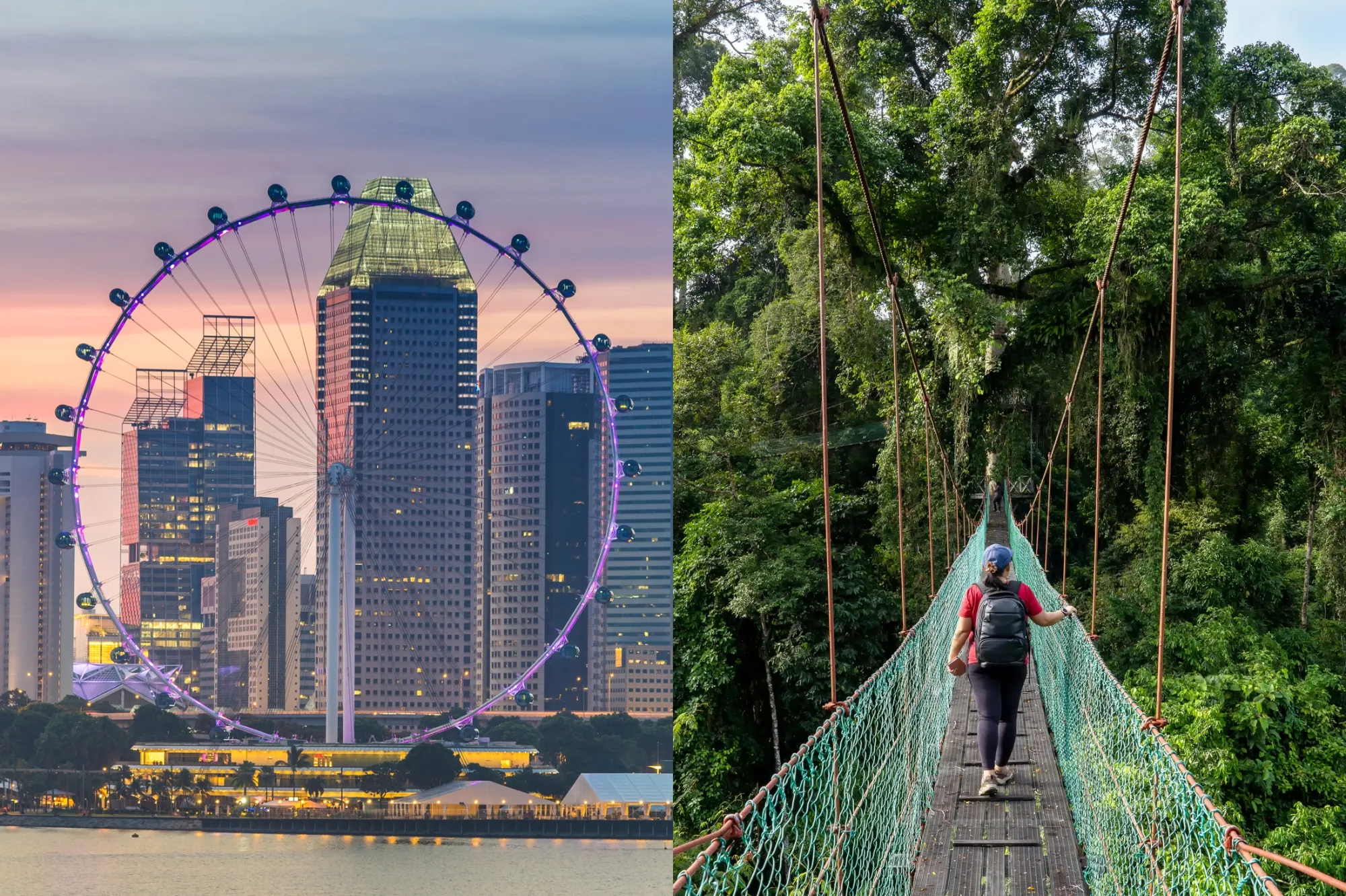
- Community hubs: Great food cities feature spaces that function as social infrastructure.
- Daily rhythm: Venues encourage people to linger, talk, and build community ties.
- Turnover pressure: High-rent restaurant cities often prioritize seating efficiency over community.
- Strict limits: Commercialized restaurants frequently impose strict table time limits to maximize profit. [1]
- Hawker centers: Cities like Singapore utilize public housing street-food stalls rather than formal dining rooms.
- Street culture: Night markets and food trucks prioritize fast, cheap, and exceptional flavors.
- Neighborhood hubs: Japanese izakayas and neighborhood cafés focus heavily on casual, repetitive visits.
- Low barriers: The best food is often found on a sidewalk plastic stool, not behind a reservation desk. [1, 2, 3, 4, 5]
- High overhead: Top restaurant cities face real estate pressures that drive up menu pricing.
- Creative stifling: Rising rents force chefs to chase safe, profitable trends rather than culinary risks.
- Affordability gap: Cities with highly rated dining scenes, like London, often score poorly on local affordability.
- Value alignment: Market forces excel at monetizing square footage but fail at preserving cheap, historic food spaces. [1, 2]
| Feature | Great Food City | Great Restaurant City |
|---|---|---|
| Primary Focus | Exceptional flavors, regional heritage, everyday accessibility | Curated service, fine dining, professional hospitality |
| Dining Environment | Hawker stalls, street carts, markets, casual cafés | Formal dining rooms, curated seating, trendy design |
| Key Metric | How deeply food integrates into daily community life | Concentration of Michelin stars or elite culinary awards |
| Economic Priority | Fostering long-term community relationships | Maximizing profit margins and table turnover rates |
- Which city or region are you analyzing?
- Are you looking for street-level local eats or high-end reservation spots?


======================
SEE THIS FOR SUBJECTIVE
21 Drool-Worthy Restaurants in Downtown Salt Lake City
Disclosure: This post includes affiliate links and sponsored content for products and experiences that I actually do use,
recommend, or think are worthwhile.
I may earn a commission if you click through.
None of the restaurant reviews were sponsored.
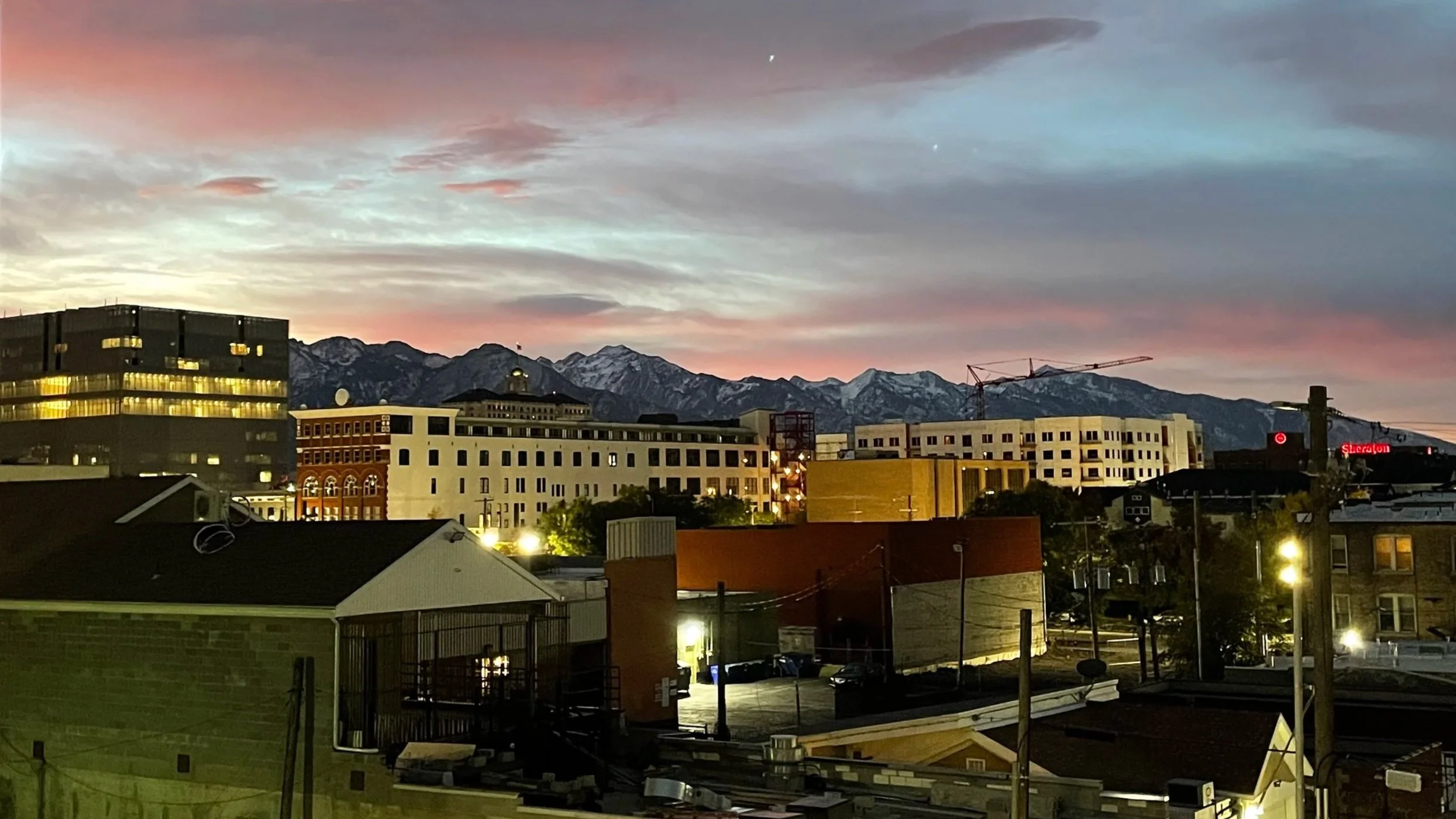
Looking for the best restaurants in Downtown Salt Lake City? You’ve come to the right place!
When I lived in Downtown Salt Lake City I was always on the hunt to discover delicious places within walking distance of my apartment and work, both centrally located around the main attractions in downtown SLC: Eccles Theater, Salt Palace Convention Center, Temple Square, The Gateway, and Gallivan Center. (See my Salt Lake City guide for other great attractions in the area.)
To see many attractions at once without doing any of the navigating yourself, check out this Salt Lake City Bus Tour, that will take you to all the major highlights of the city, including Temple Square, This Is the Place, and the Capitol Building.
On this search for the top restaurants in Downtown SLC, I did find so many great restaurants, listed below. Most of them are within walking distance to the popular areas named above, almost all are non-chain restaurants, and they are listed in no particular order. The list of SLC restaurants is very subjective (honestly just my top preferences), but they all have very good reviews, so clearly many others agree with me.
I tragically have not always been great at taking pictures of my food, so most of these photos are from Instagram, but don’t be dismayed—I have tried all of these places (some of them many times) and handpicked my top 21 restaurants in Downtown SLC.
I hope you find somewhere new to dine downtown!


No comments:
Post a Comment