Monday, March 21, 2022

LAST WEEK TONIGHT: On the Agenda for Mesa Council (Study Session - 3/17/2022)

WHAT'S ON THE AGENDA ANYWAY? Do you know and do you really care?

About 7 minutes into the study session it's Infamous Site 17 back with a cast of one older character - Director of Downtown Transformation Jeff McVey - and two newer talents, one of whom is an architect.

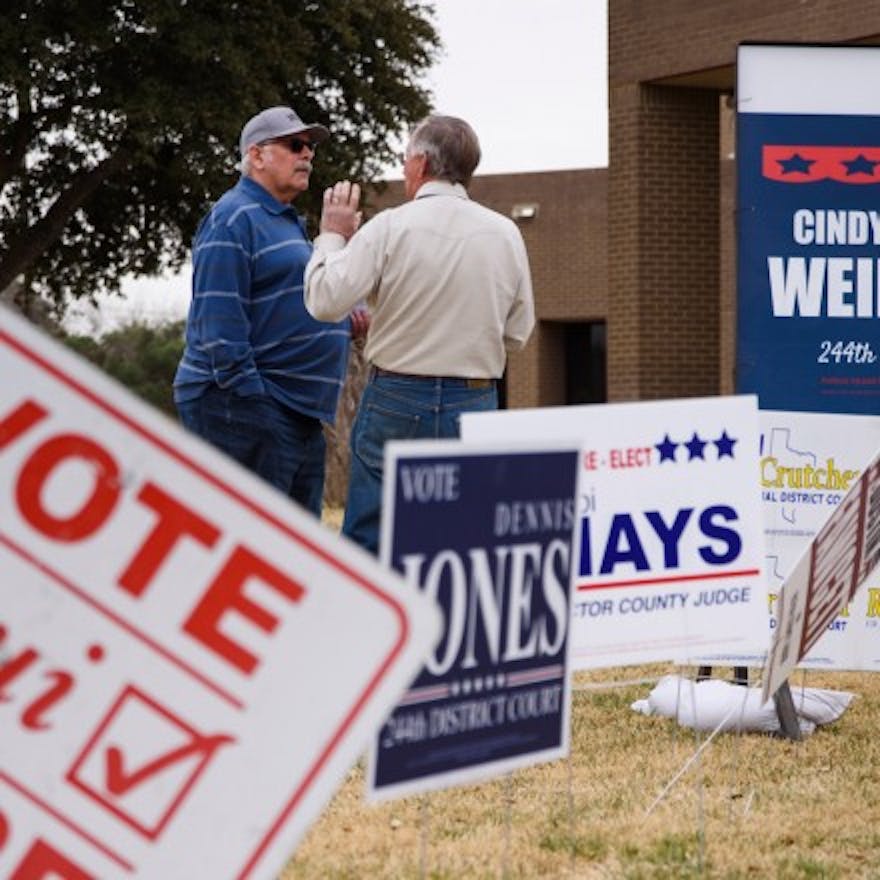
A groggy Hizzoner John Giles opens and presides over the public study session taking place in The Lower Chambers - there's a lot on the agenda: including a review of a 3rd-Party Audit and an annexation case in master-planned exclusive enclave Eastmark...

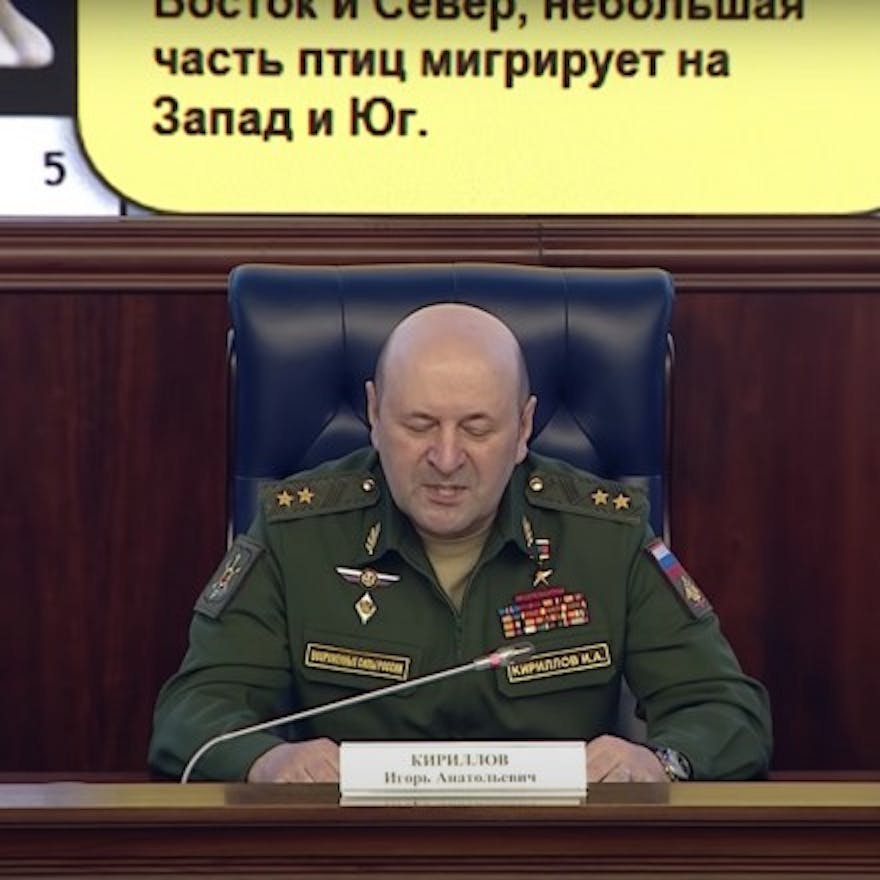
Ukraine War: Russia launches 'vacuum bombs'

How To Fix The "Bugs" In The Net-Zero Code | Lucas Joppa | TED Countdown

WAGING INDIRECT WARS WITH THE RUSSIAN FEDERATION: Deploying Intelligence, Surveillance and Reconnaissance

Intro: The balance relies on the assumption that Russia will recognize and respect the United States’s compliance with its self-imposed rules.
As hawkish members of both parties and the press call on President Joe Biden to pursue military involvement in Ukraine, including by implementing a “no-fly zone,” a complicated tightrope act by U.S. intelligence is receiving relatively little public attention. Current and former U.S. officials knowledgeable about the operations told The Intercept that the U.S. military has deployed extensive ISR, or intelligence, surveillance and reconnaissance, assets to countries neighboring Ukraine to monitor developments within the embattled nation

U.S. Quietly Assists Ukraine With Intelligence, Avoiding Direct Confrontation With Russia

When a Russian drone briefly crossed into Poland, NATO allies threatened to shoot it down. What if the United States made a similar mistake?

 President Joe Biden delivers remarks on Ukraine, with Secretary of State Antony Blinken, not pictured, Deputy Secretary of Defense Kathleen Hicks, left, and Chair of the Joint Chiefs of Staff Gen. Mark Milley, in Washington, D.C., on March 16, 2022.

Can the US avoid direct war with Russia? | The Bottom Line

LAST WEEK TODAY: Torrid Stock Rally...It was the largest weekly gain for all three major U.S. indexes since November 2020

Intro: Some one at BofA calls this “the bear market ceasefire rally.” However, at the same time
The bank’s financial stress indicator has had the fourth-largest spike of the past 20 years
>
Find the latest Barron's stories on MW for well-rounded coverage and more expert financial advice you can trust.

The Stock Market Just Had Its Best Week Since 2020. Enjoy It While It Lasts.

<div class=__reading__mode__extracted__imagecaption>It was the largest weekly gain for all three major U.S. indexes since November 2020.
            Michael Nagle/Bloomberg

These days, bad situations not getting worse count as good news. The Federal Reserve raised interest rates by a quarter of a percentage point, but at least it wasn’t a half-point hike, and the Fed didn’t start winding down its balance sheet, either. Russia’s invasion of Ukraine slogged on, but the fact that the two adversaries were talking seemed to lift investor spirits. Even China recognized that the panic in Chinese stocks was getting out of hand.

With that, what had been bad became good—and the worse it was, the better.

Alibaba Group Holding (ticker: BABA), Baidu (BIDU), and JD.com (JD) soared 25%, 25%, and 36%, respectively, this past week, after losing more than a quarter of their values this year through March 14.

The ARK Innovation exchange-traded fund (ARKK) jumped 18% after dropping 44% to start off the year, . .

Tesla (TSLA), Teladoc Health (TDOC), and Roku (ROKU) experienced double-digit gains.

Conversely, the Energy Select Sector SPDR (XLE), the only sector ETF to have a positive gain in 2022, dropped 3.9% and was the only one to finish the week lower.

If you’re a trader, you have to love the setup. Just 6% of semiconductor stocks are trading above their 200-day moving average, a sign they’re about as “oversold as they come,” writes John Kolovos, chief technical strategist at Macro Risk Advisors, who likes the charts on Advanced Micro Devices (AMD), Nvidia ( NVDA ), and Broadcom (AVGO), among others.

History suggests a short-term bounce is in the offing. On Monday evening, just after the S&P 500 had dropped 0.7%, Stifel strategist Barry Bannister told investors to expect a “relief rally” by April 30, but one that would weaken again starting in May. He cited the fact that November through April is usually stronger than the prior May through October. That hasn’t been the case so far, which makes the market “ripe for a rally,” Bannister says.

Similarly, the folks at Bespoke Investment Group note that when the Nasdaq gains 2.5% for two days in a row, it’s gone on to gain a median 3.4% over the next month, more than three times the median 1% rise over all periods going back to 1996. Unfortunately, those gains peter out over three months, suggesting that investors need to be more cautious than traders. “[More] often than not, these kinds of rallies have occurred during bear markets,” Bespoke notes.

Is this a bear market? Not yet. The S&P 500 is in a correction, defined as a drop of more than 10% but less than the 20% that defines a bear, and is down just 6.4% in 2022 after this week’s rally. BofA Securities Chief Investment Strategist Michael Hartnett calls this “the bear market ceasefire rally.” The bank’s financial stress indicator has had the fourth-largest spike of the past 20 years, but unlike prior episodes, the Fed has little leeway to act, given that inflation is just too hot, and rates are still far too low.

Can the Fed prop up the market? “Not this time,” Hartnett writes.

We’ll find that out soon enough."

UNDERSEA WARFARE SYSTEMS

Intro:

US Navy selects Leidos for Undersea Warfare Systems contract

Leidos (NYSE: LDOS), a FORTUNE® 500 science and technology leader, today announced it has been awarded a prime contract by the U.S. Navy’s Naval Information Warfare Systems Command (NAVWAR) to support the service’s undersea warfare systems. This single-award, Seaport Next Generation (NxG) task order has a total estimated value of $84 million. It includes a one-year base period, as well as four one-year options. Work will be performed in Virginia and Japan.

“Ensuring our sailors have the most advanced capabilities to defeat advancing threats is a top priority for our company”, said Will Johnson, Leidos Senior Vice President, Logistics and Mission Support. “We look forward to continuing our longstanding support of the Program Executive Office Undersea Warfare Systems as they work to keep the seas open and free.”

Through this contract, Leidos will provide operations and maintenance (O&M) crews aboard United States Naval Ship (USNS) Tactical Auxiliary General Ocean Surveillance (T-AGOS) platforms and contract vessels. Additionally, the company will provide a cadre of Field Support Team (FST) engineers to provide engineering, logistics and technical support to the Surveillance Towed Array Sensor System (SURTASS) fleet and IUSS (Integrated Undersea Surveillance System) Operations Support Center (IOSC).

Global Naval Sensors - Market and Technology Forecast to 2029

Global Naval Sensors - Market and Technology Forecast to 2029

Market forecasts by Region, Platform, and Product. Country Analysis, Market Dynamics, Market and Technology Overview, Trends overview, Opportunity and COVID-19 Analysis, and Leading Company Profiles

Published: February 2021 - Pages: 320 pages

Download free sample pages

Source: Leidos
Date: Mar 18, 2022
View original News release 


Share this news:


Mastering ITAR/EAR Challenges

Mastering ITAR/EAR Challenges

Annapolis, MD 
Sep 13 - 14, 2022

 View agenda
Unmanned Maritime Systems Technology 2022 Conference

Unmanned Maritime Systems Technology 2022 Conference

London, United Kingdom 
May 11 - 12, 2022

 View agenda

NO CAPTAIN ONBOARD