"Good morning, and welcome to the Saturday Read, the New Statesman’s weekly guide to the best writing on ideas, politics, books and culture. This is Harry.
This week Will
watched TV for the first time in a decade and came away scarred. I
interviewed Simon McDonald, who ran the Foreign Office for five years
before becoming “the man who brought down Boris Johnson”. Britain’s role
in the great game is over, he told me in Cambridge. More on that below.
In today’s edition we also have some vital on-the-ground reporting from
Haiti, Turkey and Derby; sharp coverage of Labour’s path to power; and
captivating essays from Yale’s David Bromwich and our own Anna Leszkiewicz.
If the pieces below intrigue, you could try a trial subscription to the NS. Read three free articles after registering on our site. A digital subscription is just 95p a week. Let’s get to it.
Subscribe to the New Statesman
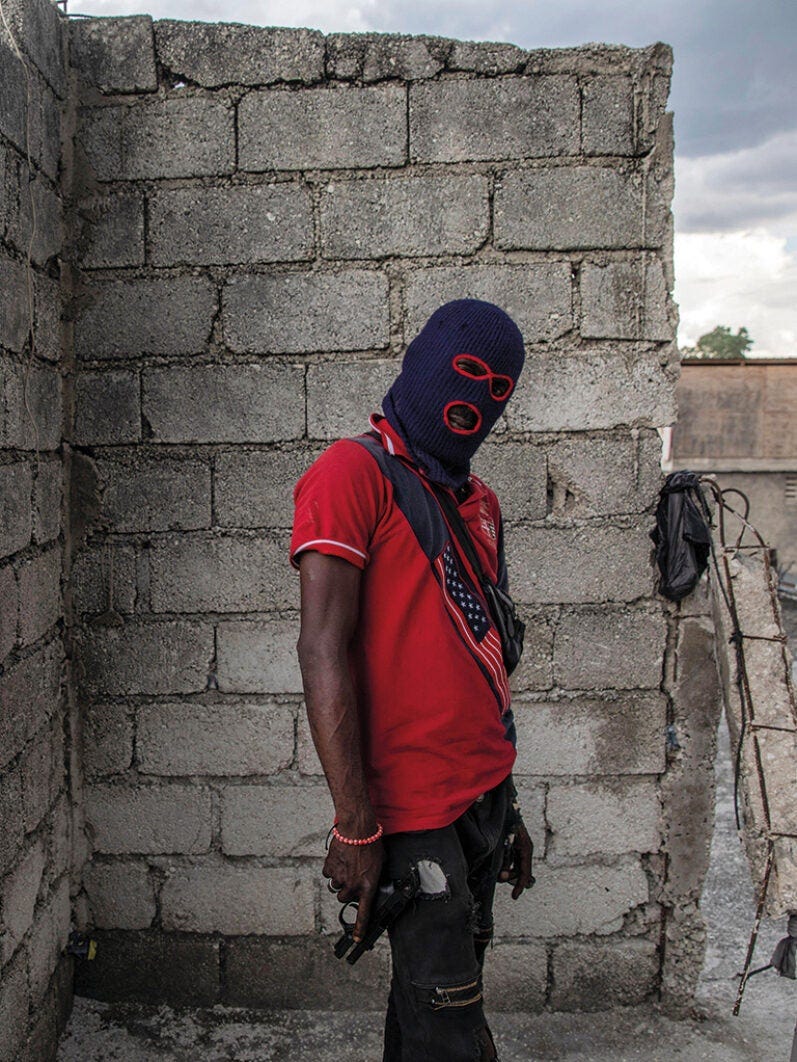
Haiti’s new normal, reports Pooja Bhatia, is hell on earth. The causes of the island’s collapse are many, and Pooja is there on the ground among the ruins.
Here
are some strategies for avoiding being kidnapped, as shared by friends
and contacts who still live in Haiti. Avoid Port-au-Prince if you can.
Limit your movements. Don’t go out after 6pm. Don’t take shortcuts. If
you have a car, avoid using it; people in cars are targets and so are
the cars themselves. Take a moto, or motorcycle – you can get away
faster, and it’s less conspicuous. Go by foot. Ride the bus.
Take
matters into your own hands. Sharpen your machete. Buy a gun – hardly
anyone is monitoring the ports. When police stop a bus in Canapé Vert,
and their search of the men aboard reveals a trove of heavy calibre
weapons, and the men are laid down in the road and burned to death, you
find yourself cheering. You know that those men, some of them very
young, didn’t get justice. They might not have been guilty. You worry
there may be reprisals. But the time for such considerations seems to
have passed.
In
times that require hard thinking – about climate change, the war in
Ukraine and much else besides – many Americans are still stuck brooding
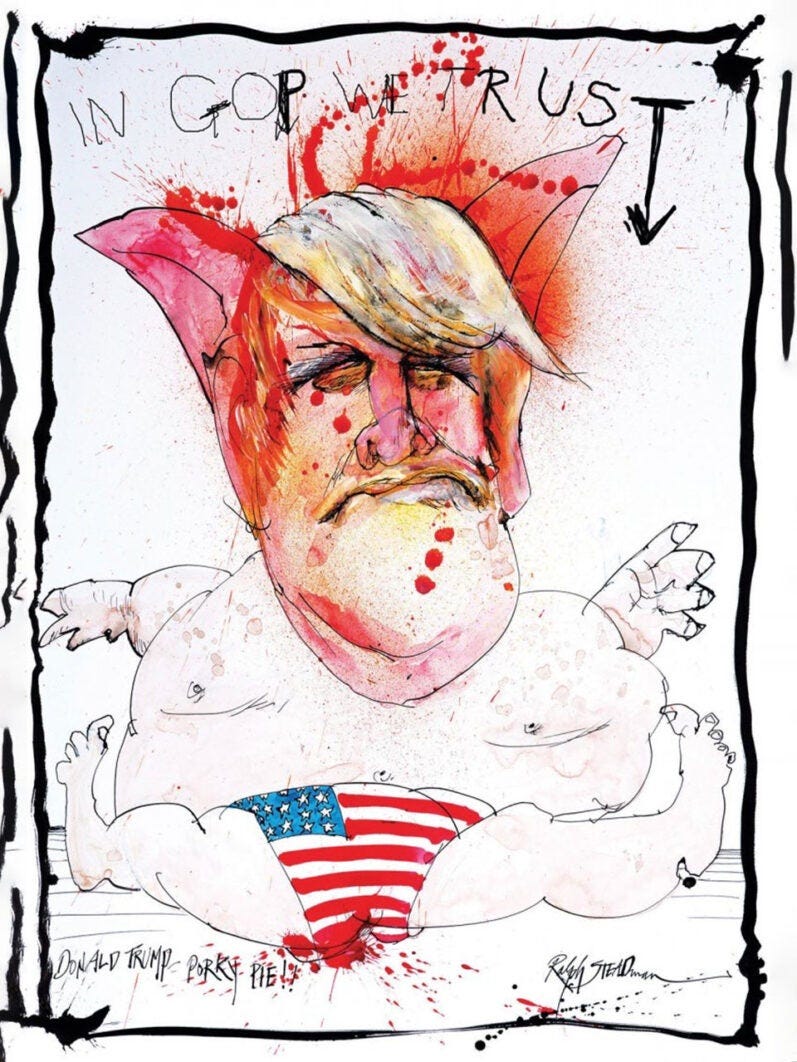
over the fate of Donald Trump. David Bromwich explains this inglorious moment in our weekend essay.
The
truth is that Donald Trump is a bad person, simply as a person –
supernaturally selfish, transcendentally vulgar. But attempts to give
him a wider description have failed for a good reason. It’s only Trump
in there: with no long-term planning, an alarming incapacity for
consecutive thought, and a scattered and impulsive interest in
government. There is no such thing as Trumpism. Of the usual liberal
epithets – racist, fascist, and sociopath – the third is correct but it
makes Trump only an extreme case of a normal condition in American
politics.
The real trouble is shallower. The Democrats have been smarting for seven years from the wound inflicted on their amour-propre
by Trump’s victory over Hillary Clinton, who spent twice as much money
only to lose eight out of twelve battleground states in a nerveless
campaign. The Democrats have never accepted that Hillary was a strong
political worker who lacked political talent, and she was running
against a man who was discovering new terrain in his already proficient
command of crowds.
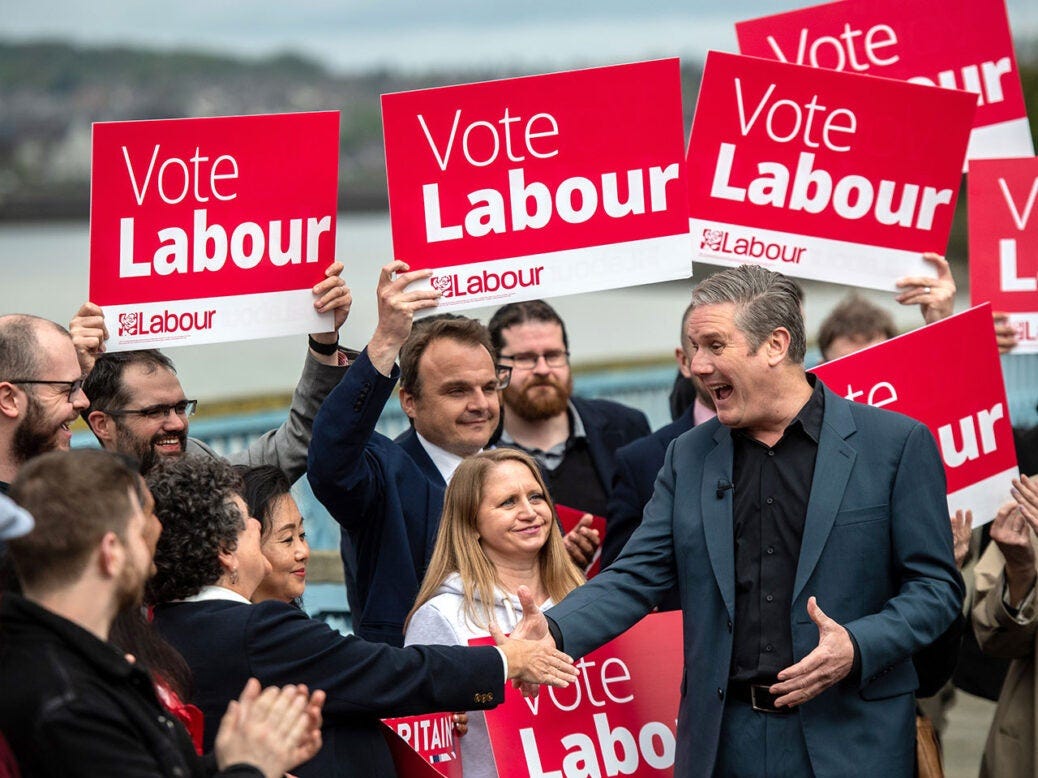
The local election results, Ben Walker writes in a new detailed analysis,
mirror national polling. Labour, he argues, are on course for a
majority. What he really means by that is that it looks as if they would
have won a majority if a general election had been held last week. But
voters shift. (Fergus Butler-Gallie went to Tunbridge Wells, and thinks it’s starting to feel like 1997 again.)
This
year’s local elections expose that the offensive being conducted on
Conservative battlegrounds is perhaps the most broad it has ever been.
Not only in so-called Red Wall boroughs are the Tories falling back, but
in “Commuterville” and Blue Wall England they are doing just as badly,
if not more so. What that risks blunting in the general election to come
is the concept of uniform swing, however historically useful it has so
often been.
The prevailing attitude of most voters is
one of a “time for change” – agreed with by more than six in ten people.
And unfavourability towards the Conservative brand is at an all-time
high, while for Labour and its leader, it is middling, at best. In local
elections, voters sought to vote with the party most prominent locally
to defeat the Conservatives. In local authorities, that hasn’t
exclusively been to the benefit of Labour, but in a general election, I
suspect it would be more so.
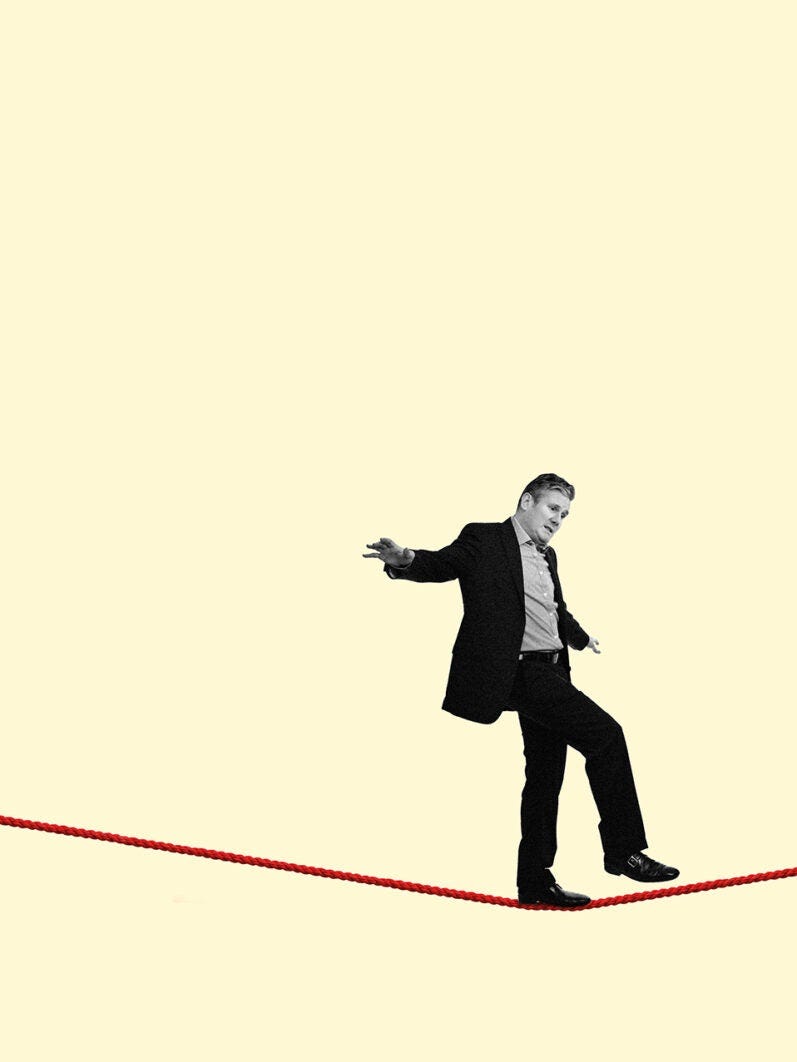
Andrew Marr has been talking
to aides in Labour to get a sense of what exactly the party hopes to do
if it wins power. Labour, he writes, believes it must deploy “a ‘Bob
the Builder’ strategy of offering to fix specific, quite immediate
problems left behind by the Tories – such as the difficulty of getting a
GP appointment, or food price inflation” while also offering “a more
persuasive long-term vision. Although they have hardly caught the public
imagination, Starmer remains committed to his five ‘missions’.” Thank
goodness for that.
But what about the politics of the
next election? A pact of the sort Marr mentions below has a strong
precedent in the Gladstone-MacDonald deal of 1903.
So
far nobody is talking about a full-scale [Lab-Lib] pact, which might be
a mistake. One senior member of Sunak’s team told me that if Labour and
the Liberal Democrats were ruthless and shrewd enough to make an
electoral pact, “we would be annihilated” – before noting, with a
relieved smile, that they weren’t.
Don’t
go to war with China. We couldn’t have brought Ukraine into Nato.
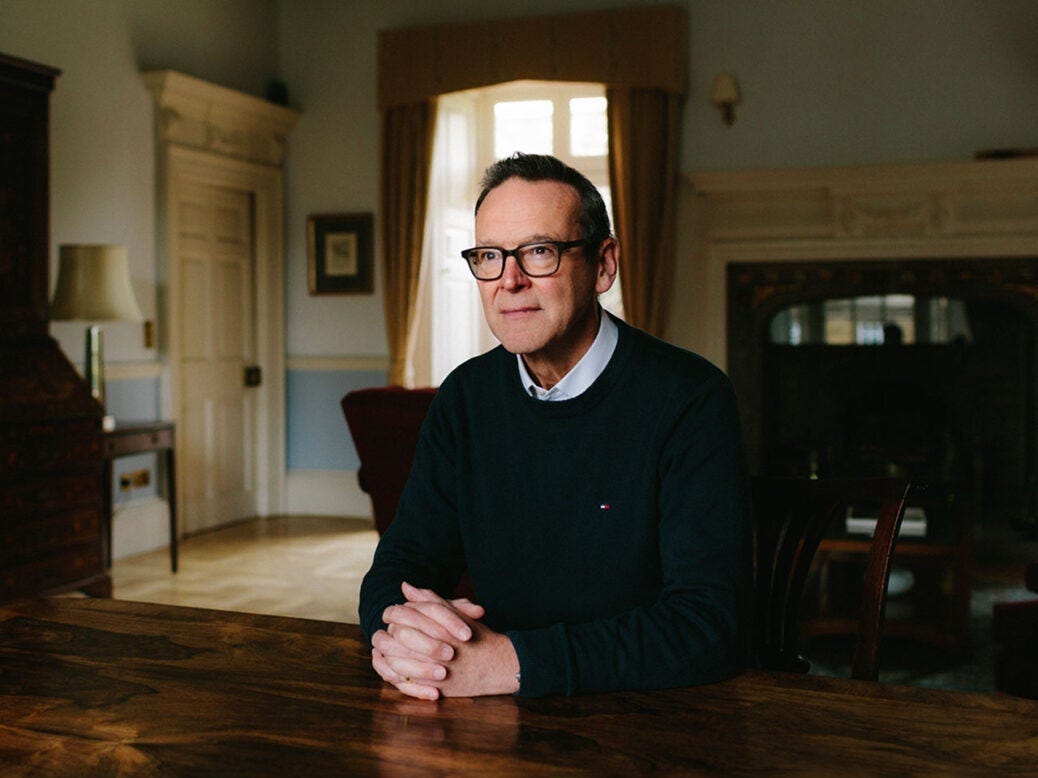
Brexit has left Britain in a strategic straightjacket. In late April, I met Simon McDonald, who spent four decades in the foreign office. He ran over the world, and Britain’s place in it, with me.
I
had come to meet McDonald to discuss British grand strategy, expecting a
bullish view of our place in the world. Instead, I encountered a man
who could uncharitably be described as being resigned to British
irrelevance. We spoke on a Friday afternoon, in a bright, book-lined
study overlooking a grass-cut courtyard. There was something elegiac
about our conversation. It was as if McDonald felt the week was ending
for Britain too.
Tom Tugendhat once quipped to me that
pessimists of British power think the UK should “fall back and guard
Dover”. He said it in jest, but the quip seemed almost apt as a
description of McDonald’s defence policy. “It’s not satisfying to a lot
of people, but it is time to have a proper look at the fundamentals,” he
told me. “We’re not going to be in all the military discussions in the
future,” and Britain should not mind. I asked if it was the end of the
great game for Britain, in its wider sense. “Yes,” he said, falling
silent for a beat.
Share
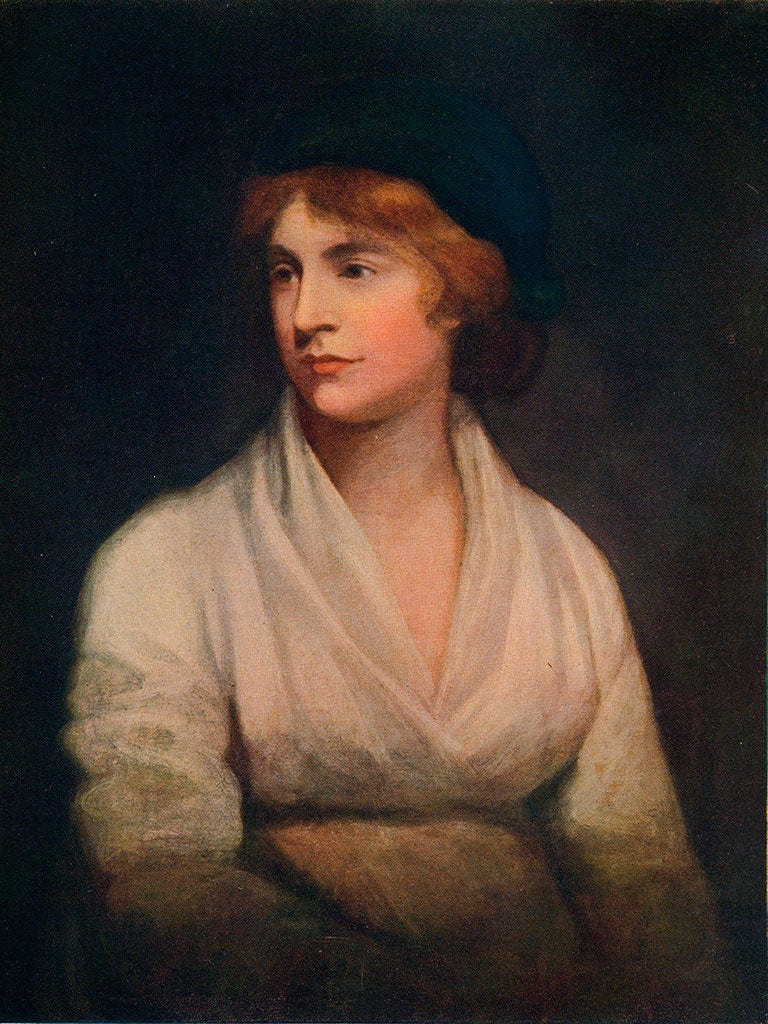
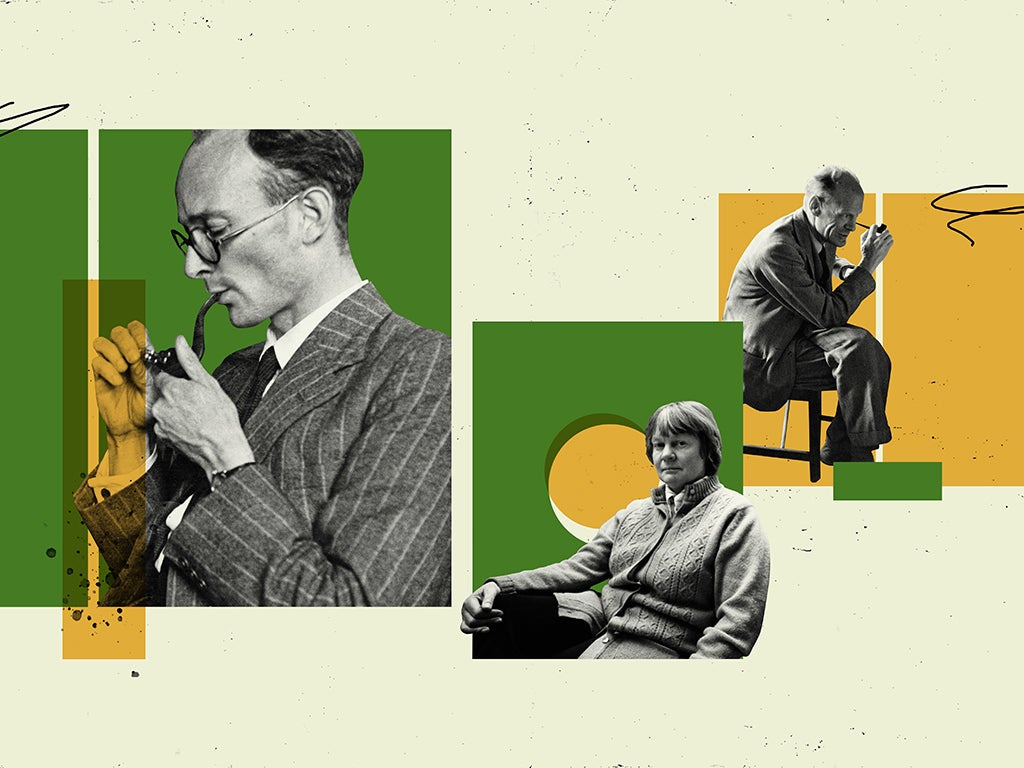
Why read life-writing? Anna Leszkiewicz more than answers the question, by way of Virginia Woolf, Sylvia Plath and a few incisive observations on the perils of autobiographical prose.
Biographies
and memoirs are about real lives, even when twisted into narrative;
honest life-writing by women might hold some specific, recognisable
truths for those of us who happen to be women. But the life-writing that
seems most directly written out of life – diaries, letters, journals,
notes – possesses a concentrated truth, a special power: the power of
the present tense. They speak to us through time because the moment of
their making is handed to us, as if frozen in the glass ball of a snow
globe.
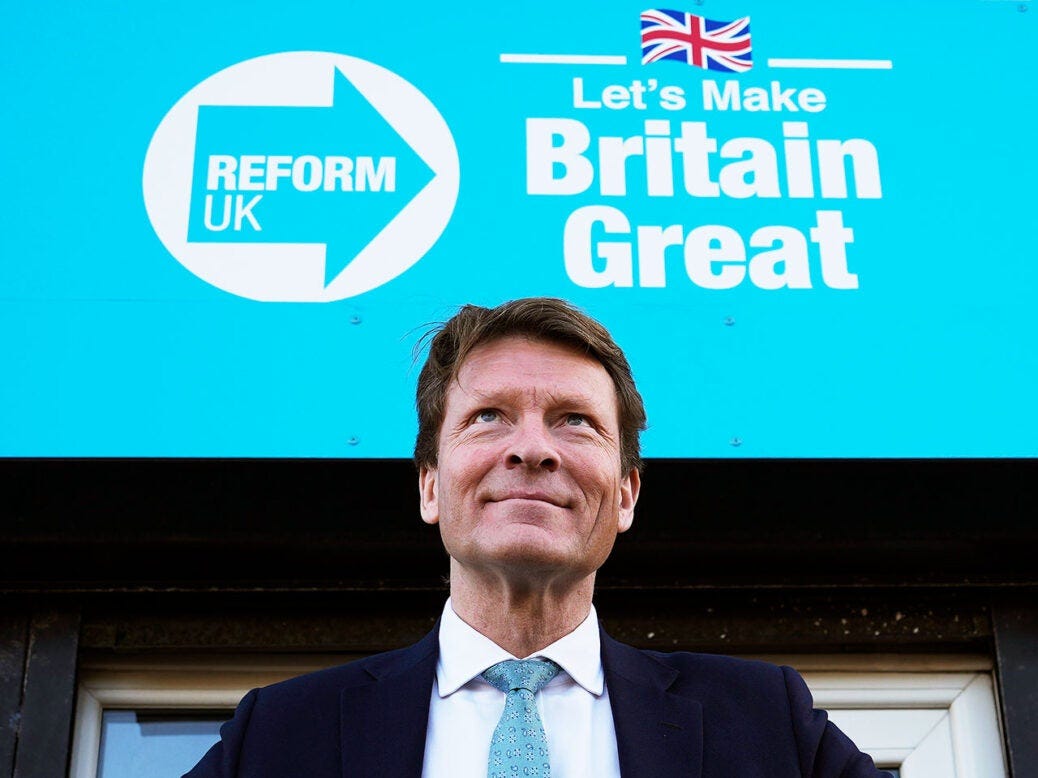
Freddie Hayward reports from Derby,
where Reform UK had its “spring rally” last month. The party has been
much hyped as the insurgent successor to the Brexit Party, and before
it, Ukip. It might help, thinks Hayward, if the party was a touch more
coherent than it is at the moment.
In
March the party celebrated the return of Brexit Party MEPs such as Ann
Widdecombe. These re-joiners share the crowd’s anger that Brexit is
still not done. Not because of recycling but because the Conservative Party has created a border in the Irish Sea, splitting Northern
Ireland off from the United Kingdom. Widdecombe, a minister under John
Major, was in Derby to tell people to go forth and convert. She doesn’t
like the gender extremists, naturally. But that wasn’t why she was
there. “The sole reason that I decided to join the Reform Party,” she
said, “was because it is the only party that will save the Union.”
Midway
through Widdecombe’s speech an early-medieval historian next to me
muttered about Magna Carta. He turned and explained that “freedom” was
the reason the “West ruled over the East” for 2,000 years. He was there
because his 14-year-old son was given a detention for calling a
non-binary substitute teacher “sir”. But there was no sole reason the
crowd came, least of all the constitutional status of Northern Ireland.
Britain is limping into a new Carolingian age. King Charles III inherits the remnants of a constitutional order, writes Madoc Cairns,
that has its deepest roots in the 17th century, when the last kings
called Charles were on the throne. Only by understanding the distant
past can we make sense of the most pressing questions of our present.
Over
300 years later, in another coronation, the pattern repeats, the office
renewed: another priest-king anointed and acclaimed. But even amid his
exaltation, Charles must feel shades of doubt. His subjects respect the
monarchy; they no longer venerate it. The bonds between Earth and heaven
that once knit the constitution together have been severed: Britain is a
nation abandoned by her gods. To avert catastrophe and to prolong the
strange, lonely existence of his kind, Charles may, like his namesake,
have to make his country over anew.
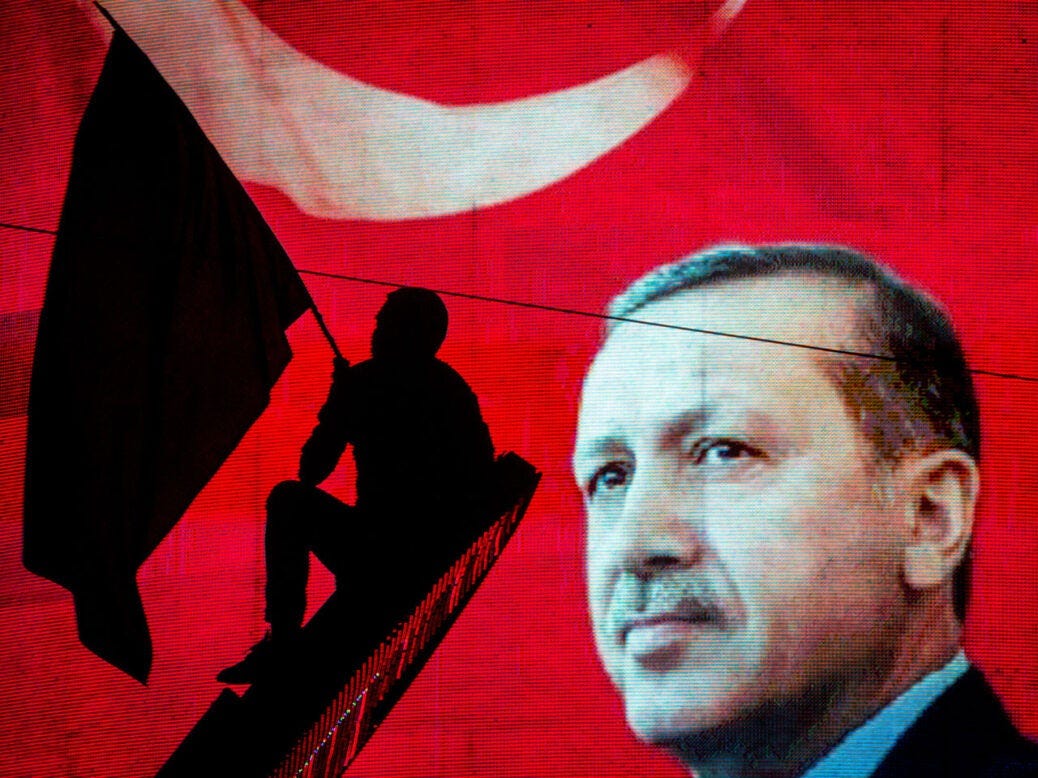
Who is Recep Tayyip Erdoğan, the man who may lose the Turkish presidency this weekend? Jeremy Cliffe finds out for us over 4,000 words, reported from Ankara and Istanbul.
In
1997 he strayed too far from the strictures of the secular Turkish
republic by quoting the Islamist poet Ziya Gökalp: “The mosques are our
barracks, the domes our helmets, the minarets our bayonets and the
faithful our soldiers.” This saw him stripped of the mayoralty and
imprisoned for four months, granting him hero status among conservative
voters.
Two years later, in 2001, he founded the Justice
and Development Party (AKP) as a moderate conservative big-tent
modelled on Europe’s Christian democrats. It went on to win a resounding
victory at the following year’s election. Initially blocked from
becoming prime minister by his criminal conviction, Erdoğan clinched the
role in 2003 thanks to a constitutional amendment.
Subscribe to the New Statesman
Curbed: San Francisco’s doom loop.
The Dial: The EU’s war on space junk.
Politico: King Charles’s missing diamond.
The Walrus: World’s oldest marathon runner in race against death.
Financial Times: Gen Z turns on big law firms.
Peggy Noonan: What were CNN thinking?
Jill Abramson: Why BuzzFeed and Vice died.
Emmanuel Macron: Europe needs more factories. But the people who work in them will have to retire in their seventies.
JR Moehringer: Creating the artist formerly known as Prince Harry.
Penny Mordaunt: Why I have such strong triceps.
Popular Danes. A damning indictment of men from literally every other country on Earth.
Among Mongolia’s eagle hunters.
World’s most unimpressed pianist.
The literary lives of mid-century nuns. It’s amazing how much writing you can do if you don’t have a real job.
There are better ways, Tiger.
Who
will be the big winner from the Bank of England’s decision to raise its
main interest rate? Not people buying anything, and not people trying
to save money. The answer, argues Will Dunn, is the banks.
The Ukrainian war is coming home to Russia. How much pressure is Putin under? Katie Stallard reports.
What happened to chilling out, asks Wessie du Toit. We seem to have internalised the “disgraceful assumption” that leisure is the exclusive domain of the wealthy.
Kate Mossman has Eurovision covered, that annual jamboree that 160 million people watch, in this week’s audio long read. This year, it has come to Liverpool.
“All
of the philosophers he discusses are dead, but I knew most of them
personally, and some of them were good friends.” Thomas Nagel returns to the NS.
“I’ll
lead my professional life how I wish,” François Fillon said defiantly
on 2 May. “If I want to sell potted meat on Red Square, I’ll sell potted
meat on Red Square.” This guy could have become France’s president in 2017.
Joanna Cherry, the SNP MP and KC, “was invited
to take part in a discussion at the Stand Comedy Club. The invitation
was then withdrawn due to staff at the venue refusing to work at the
event because they disagreed with her views on gender reform and
self-ID.” Cancellations come to the Edinburgh Fringe.
Each week we ask someone to recommend three books as a way into a subject. This week we turned to Will Dunn, our business editor. It turns out he just loves misdeeds.
Barbarians at the Gate
by Bryan Burrough and John Helyar (2010): Elon Musk’s takeover of
Twitter, and the Issa brothers’ acquisition of Asda, were debt-fuelled
deals known as leveraged buyouts, or LBOs. In the 1980s these deals took
over American capitalism as the great conglomerates of the postwar era
were grasped and dismantled. The biggest LBO of all was attempted by
Ross Johnson, the CEO of RJR Nabisco, who fought his way to the top of
America’s favourite biscuit company, merged it with a cigarette
manufacturer and tried to cash it in for billions – but found himself
facing Henry Kravis, the Man Who Bought Everything. An epic,
page-turning tale of boardroom shithousery that helps explain our
financialised and debt-laden world.
Pyramid of Lies
by Duncan Mavin (2022): Lex Greensill went from farming sugar cane in
rural Australia to the highest reaches of finance and politics, powered
by a grasping ambition and a talent for moving money. But moving it is
not the same as making it, and as Mavin expertly recounts, Greensill’s
glittering career came to an abrupt end in a scandal that hit – among
others – David Cameron and Credit Suisse.
Boomerang
by Michael Lewis (2011): This lesser-known Lewis is arguably his best,
especially for non-US readers. It takes in the varied and mostly
terrible decisions that were taken by business people, politicians and
monks, from Iceland to Greece, in the years leading up to the 2008
crash.
We
are closer to chaos than we think. Friendships fall apart.
Relationships implode. We go about our days holding certain views (“he
is my friend”, “I love him”), ignoring the anomalies that suggest
otherwise. Until the day the anomalies get too great.
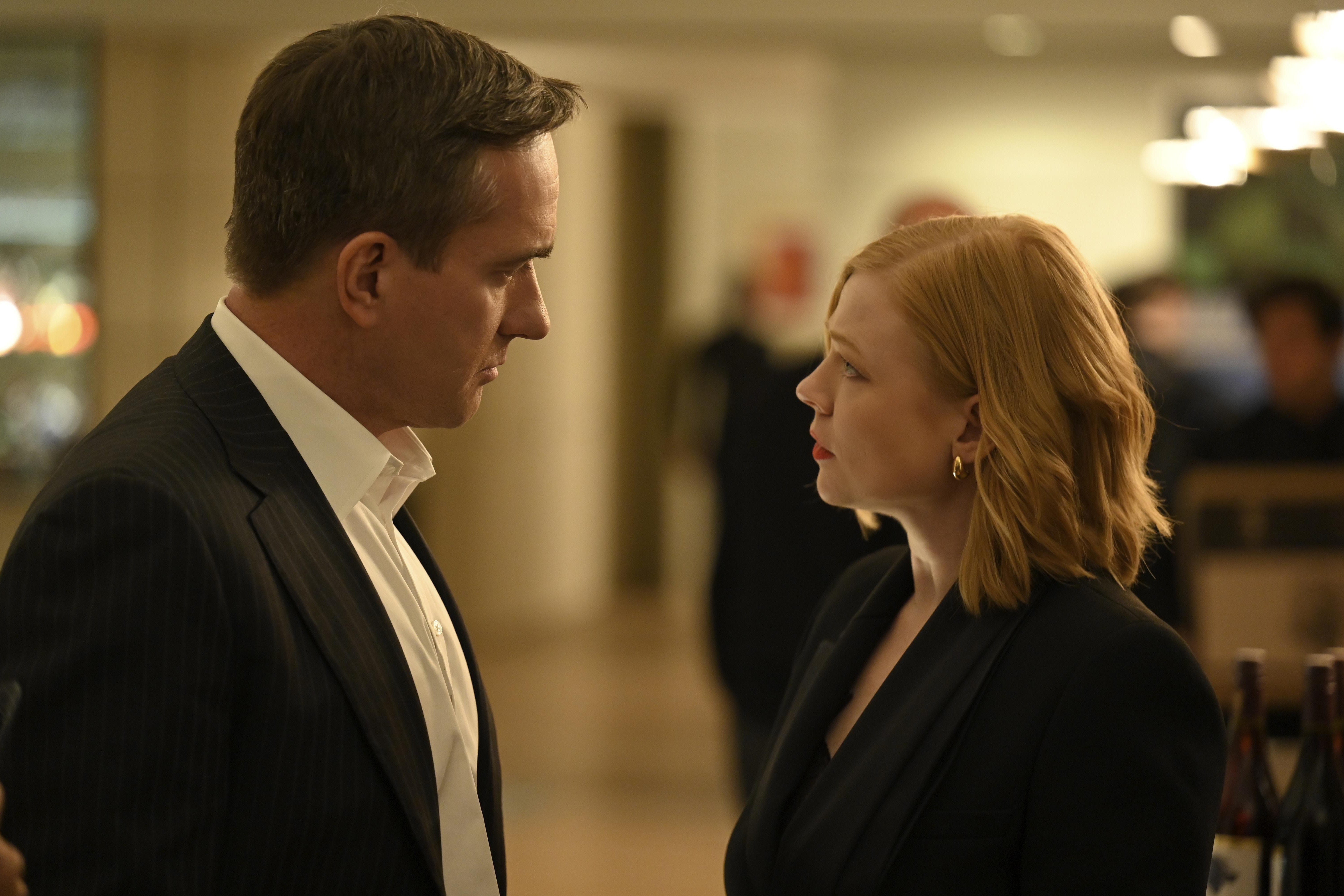
On Monday
all the anomalies in Tom and Shiv’s relationship tumbled out into the
Manhattan night, in perhaps the show’s greatest scene. Oddly, I think
they have a chance of ending up together now. They’re finally facing the
reality of their relationship, as Conor and Willa did on their way to
becoming the show’s first couple.
There
are relatively few things that I agree with the Taliban about, but one
of them is television. Last week I watched television for eight
continuous hours for the first time since I was a teenager. By the end
of the ordeal I felt ready to take a chainsaw to the box.
It’s just… weird, isn’t it? I was watching the coronation.
This is supposed to be an occasion for reverence, transcendence. On
television, it’s an occasion to get Deborah Meaden into the BBC studio
to loudmouth about a time she once saw Prince Charles at a gala dinner.
Everything that is solid becomes inane. Soon afterwards I started
Googling “television is bad” and came across a column, by of all people,
Boris Johnson, written in 2001.
Johnson was complaining
about how bad TV is for people who consume it: “They sit like the
prisoners in Plato’s cave, watching the flickering images before them
and mistaking them for reality. That is the shocker: not that people are
so foolish as to appear on TV, but that people are so idle as to watch
it.”
That’s quite a deep insight for a Telegraph
columnist. And a useful one: Johnson was the best television performer
the Conservative Party had produced in decades, and nothing was so
essential to his rise. He controlled the medium by recognising how
foolish it was. News (where Johnson ended up) was no different on
television – in spite of what the people who make it believe – from
entertainment (where Johnson started). Both were flickering images that
people mistook for reality. The problem, of course, is that reality
grinds on, however prettified it appears on television.
Thank you for reading. Don’t miss out – subscribe to the New Statesman and stay up to date with everything you need: from news and analysis to comment and criticism.
Subscribe to the New Statesman
Whether
you’re looking for a sharp blog or a finely written feature, the New
Statesman has you covered. Have a good week, and catch you next
Saturday.
— Harry & Will
Thanks to our colleague Chris Bourn.
Thanks for reading The Saturday Read. If you’d like to share this post - thank you.