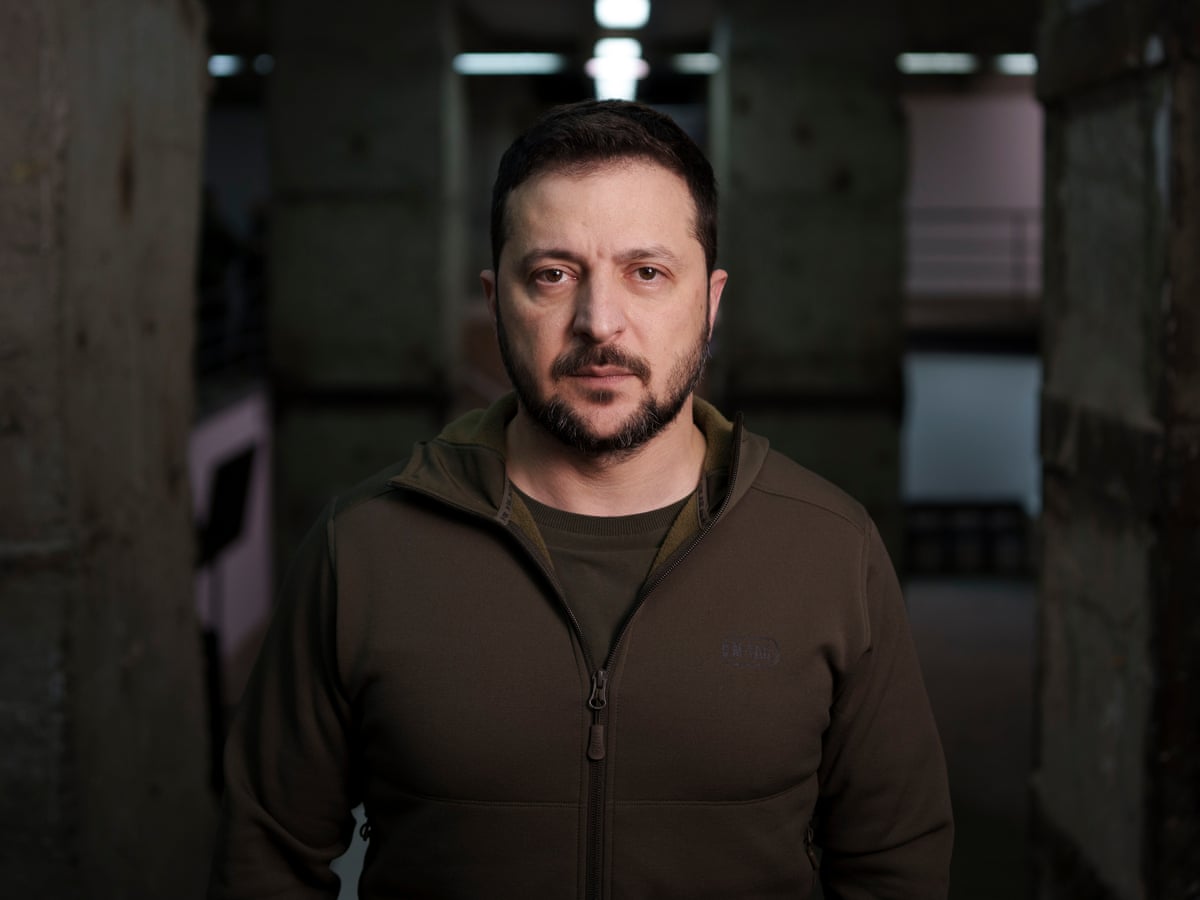
The dismissal of Colonel Serhiy Lupanchuk and appointment of Brigadier General Oleksandr Trepak >
in his place was announced in two decrees on the president's website that provided no explanation for the move.
After Just 6 Months, Zelensky Sacks Ukraine Special Forces Chief; Reappoints Officer Fired In March
11,074 viewsMay 9, 2024#sacked#reshuffle#russiaUkrainian President Volodymyr Zelensky replaced the commander of the country's special forces on May 9. Colonel Sehiy Lupanchuk was replaced by Brigadier General Oleksandr Trepak. The announcement was made on the president's website without any explanation. Watch for more.
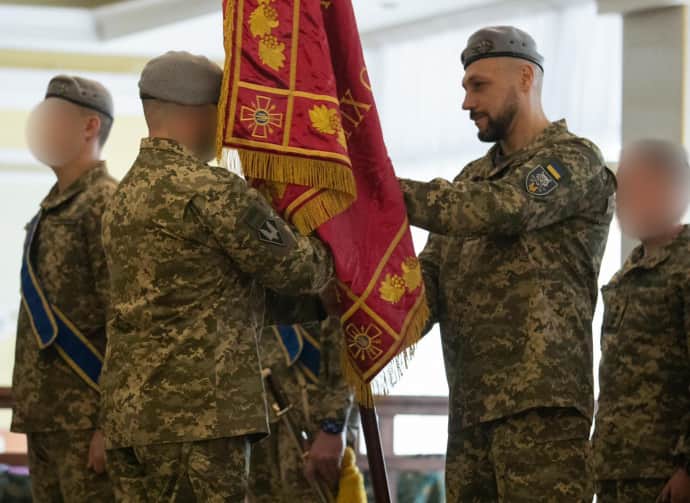
The special forces do not have a public profile, but are thought to have been involved in Ukraine's most ambitious operations in Russian-held areas and in particular the peninsula of Crimea.
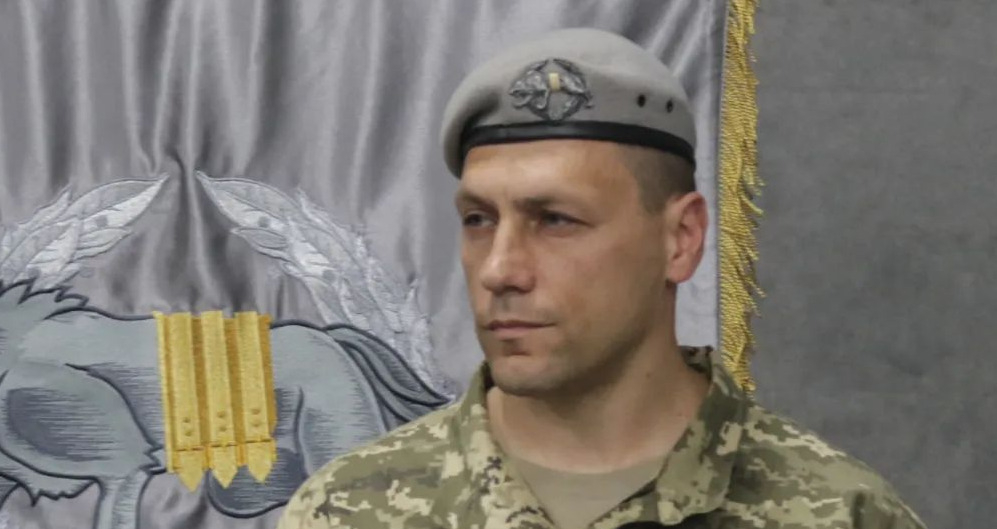
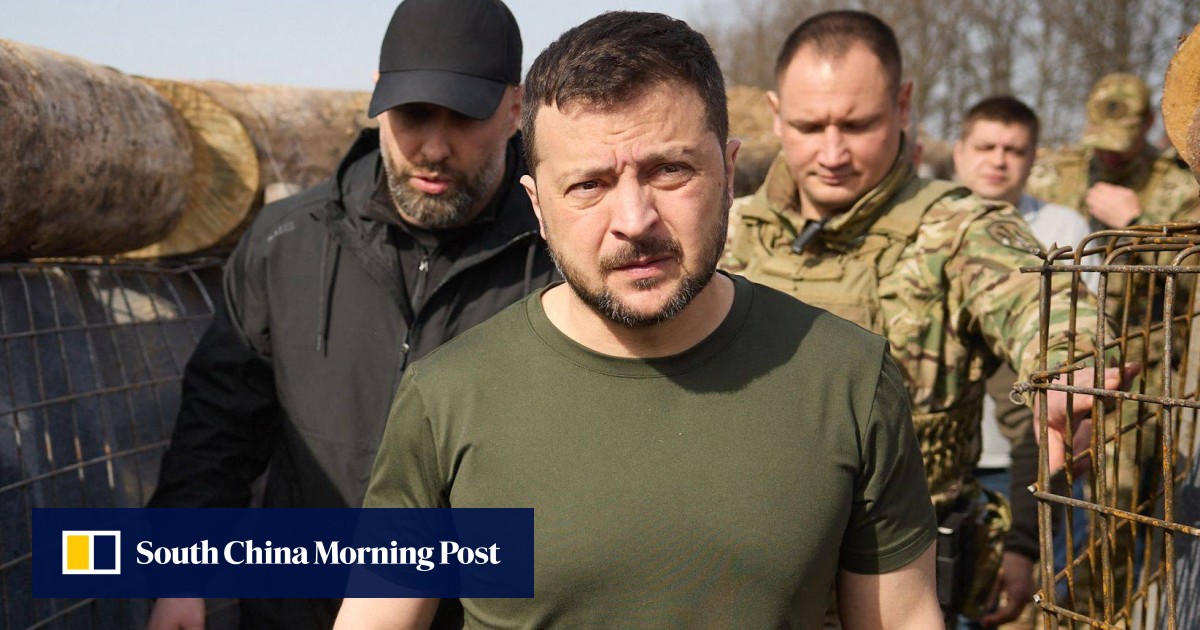
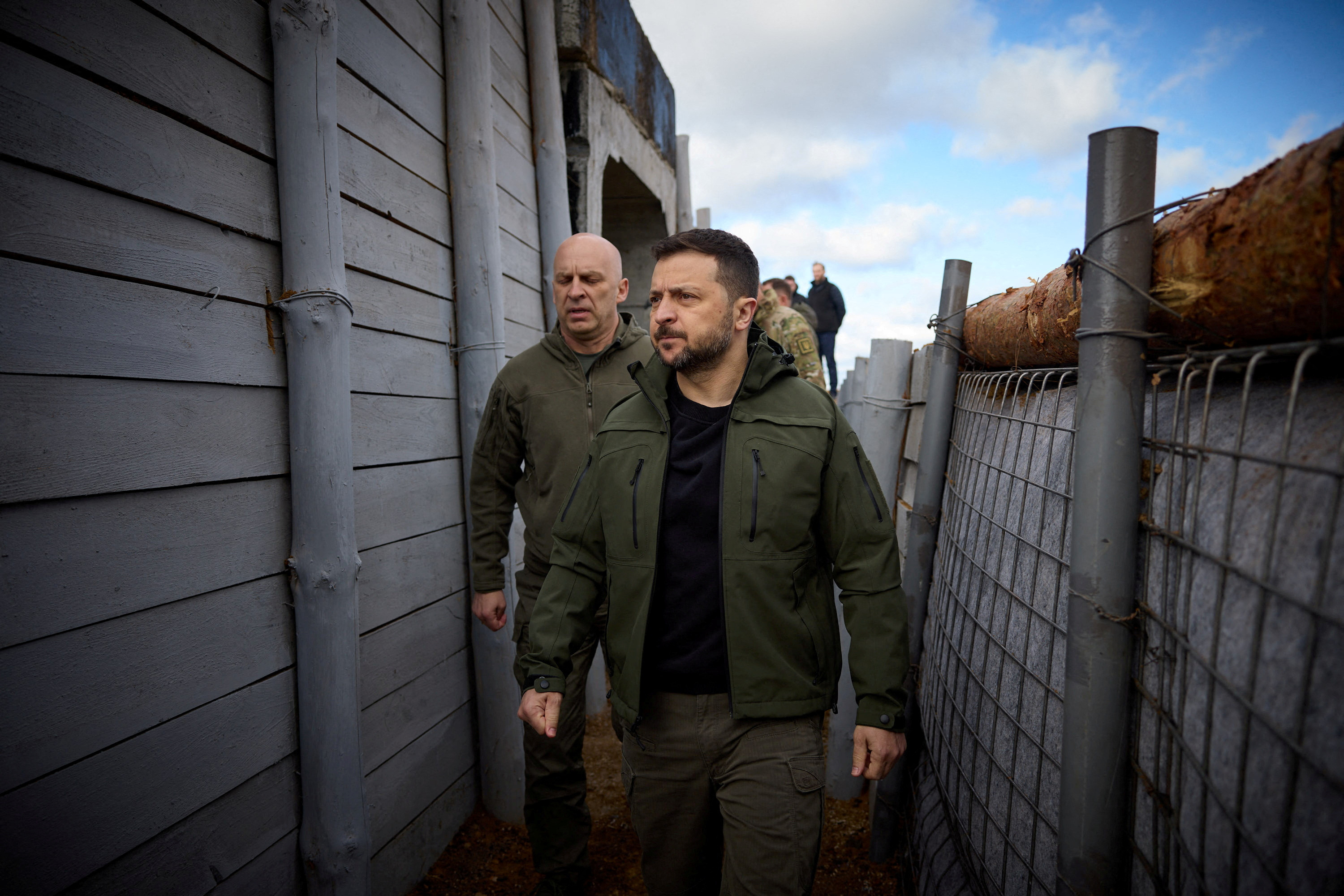
KYIV (Reuters) - Ukrainian President Volodymyr Zelenskiy replaced the commander of his special forces on Thursday, the second time in half a year that he has changed the head of the unit which operates in Moscow-occupied territories.
The dismissal of Colonel Serhiy Lupanchuk and appointment of Brigadier General Oleksandr Trepak in his place was announced in two decrees on the president's website that provided no explanation for the move.
Since 2014, Trepak has been actively participating in defence operations in east Ukraine against Russian-backed separatists. He was engaged in leading the push to repel the Russian assault on Donetsk airport, one of the biggest operations back then.
The Ukrainian military's chain of command has been changed at different levels since February when Zelenskiy replaced his top commander, Valeriy Zaluzhnyi, with then-ground forces commander Oleksandr Syrskyi in a major shake up.
At the time, Zelenskiy said a new military leadership was taking control of the armed forces and promised to "reboot" the system by bringing in experienced commanders who understood the daily needs of the troops.
The shakeup came at an uncertain time for Ukraine with Russian troops beginning to advance in the east, taking advantage of shortages of Ukrainian manpower at the front as well as dwindling stocks of artillery shells.
In a separate decree on Thursday, Zelenskiy also reappointed Dmytro Hereha as commander of the army's support forces, a post he was dismissed from without any explanation in March.
Lupanchuk was appointed to lead the special forces last November following the sudden dismissal of his predecessor Viktor Horenko. Horenko's dismissal was seen at the time as a sign of a growing rift between Zelenskiy and his then top commander who was fired months later. The special forces do not have a public profile, but are thought to have been involved in Ukraine's most ambitious operations in Russian-held areas and in particular the peninsula of Crimea.
(Reporting by Yuliia Dysa and Kyiv bureau; Editing by Tom Balmforth and Sharon Singleton)
10 hours ago — The dismissal of Colonel Serhiy Lupanchuk and appointment of Brigadier General Oleksandr Trepak in his place was announced in two decrees on ...
50 minutes ago — While the decrees issued by President Zelensky provided no explicit explanation for Colonel Lupanchuk's dismissal and Brigadier-General Trepak's ...
10 hours ago — The dismissal of Colonel Serhiy Lupanchuk and appointment of Brigadier General Oleksandr Trepak in his place was announced in two decrees on ...
9 hours ago — The dismissal of Colonel Serhiy Lupanchuk and the appointment of Oleksandr Trepak in his place was announced by President Zelensky's decree ...
10 hours ago — The dismissal of colonel Serhiy Lupanchuk and appointment of brigadier general Oleksandr Trepak in his place was announced in two decrees on ...
Nov 3, 2023 — Zelensky's Swift Dismissal of Special Ops Commander After First Media Interview Raises Questions. President Zelensky appointed Serhiy Lupanchuk ...
21 hours ago — President Volodymyr Zelenskyy has dismissed Serhiy Lupanchuk from the post of commander of the Special Operations Forces and appointed ...
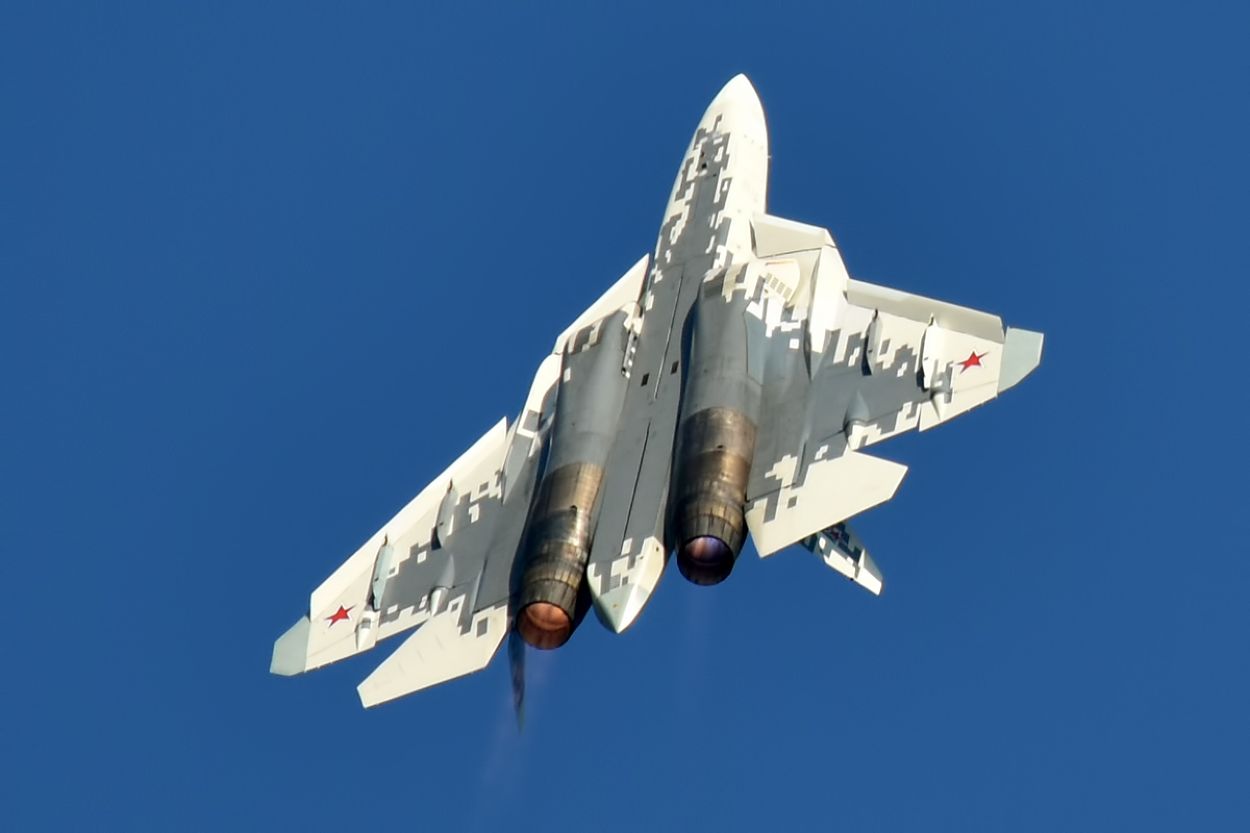
The Russian Aerospace Forces are set to receive a batch of advanced Su-57 fifth-generation fighters by the end of 2023, state corporation Rostec said on November 24.
Additionally, the Gagarin Aviation Plant in Komsomolsk-on-Amur, a part of Rostec’s United Aircraft Corporation (UAC), recently delivered a group of Su-35S multifunctional fighters of the 4++ generation.
The report noted that this Su-35S batch marks the conclusion of this year’s aircraft delivery program. Yuri Slyusar, the General Director of UAC, affirmed that their enterprises are diligently adhering to the delivery schedule.
This ensures the provision of contemporary aviation systems to the Russian Aerospace Forces. The press statement emphasized that the Su-35S aircraft underwent comprehensive ground and flight testing across various operational modes, successfully transitioning from the airfield to their designated service locations.
Vladimir Artyako, First Deputy CEO of Rostec, highlighted the aircraft’s distinctive features, including highly effective long-range air-to-air and air-to-surface guided weaponry and an advanced electronic countermeasures and defense system.
In September 2023, the Russian military-industrial complex declared the successful delivery of a new Su-57 ‘Felon’ fighter jet to the Russian Aerospace Force.
According to the current state armament program, the Russian Aerospace Forces are projected to acquire a total of 76 Su-57 aircraft by 2027. However, the precise number currently in operation by Moscow remains uncertain.
Described as a fifth-generation multi-role fighter, the twin-engined Su-57 is presented by Russia as a rival to the Lockheed Martin F-35, which is utilized by the US and its allies in Europe and Asia.
Despite the lack of disclosure regarding the specific number of Su-57s included in the latest delivery, the accomplishment is notable, considering the economic sanctions imposed on Russia by Western powers in response to Moscow’s invasion of Ukraine.
These sanctions have constrained the Russian aerospace industry’s access to advanced Western components and financial resources.
In parallel, UAC has been working on the Su-75 Checkmate prototype, initially scheduled for its maiden flight in 2023, which was later revised to 2024. However, potential delays in this schedule could arise due to significant losses of existing Russian Air Force jets and the impact of economic sanctions.
Advancements In The Su-57 Fighter Aircraft
The Su-57, classified as a fifth-generation fighter jet, has a versatile arsenal. It can be armed with R-77M air-to-air missiles, designed for engaging long-range aerial targets, and Kh-59MK2 cruise missiles, intended for engaging ground targets.
The Su-57 platform is continuously evolving, as indicated by ongoing flight tests that involve the integration of a second-stage engine, as disclosed by the state corporation overseeing the program.
Rostec recently revealed that the latest second-stage engine, Izdeliye 30, has been installed in specific Su-57 fighter jets. These aircraft are currently in the process of undergoing flight testing to assess and validate the performance of the upgraded engine.
Furthermore, on November 14, Rostec, a Russian state-owned conglomerate, announced an enhancement of the combat capabilities of the fifth-generation Su-57 fighter through the integration of cutting-edge technologies.
Additionally, plans were revealed to develop a two-seat version of the fifth-generation supersonic fighter PAK FA/Su-57. It was reported that the United Aircraft Corporation (UAC) secured a patent for a “two-seat stealth tactical aircraft.”
This aircraft is designed to detect and eliminate air, surface, and ground targets using guided and unguided weapons. It can also serve as a command post for coordinating “network-oriented actions of mixed groups of aircraft.”
Russian expert Dmitry Kornev highlighted several potential uses for the two-seat fifth-generation Su-57 fighter, including combat training, leading UAV formations, and conducting strikes—with an operator responsible for weapon deployment.
Sukhoi Su-57
Kornev highlighted the adaptability of the cockpit for transferring control between pilots, suggesting the aircraft’s utility as a combat training platform.
He noted that when the Su-57 is integrated into reconnaissance and strike systems, the pilot’s tasks become more complex, which requires information filtering, target selection, and weapon choice.
Highlighting the challenge of managing these tasks alone, Kornev stressed the advantages of having two crew members.
It will enable the pilot to focus on aircraft control and air combat while another handles weapon systems operation. This will ultimately enhance the functionality of attack aircraft.