

FBI says it is investigating purported Trump campaign hack
Martin Matishak
August 12th, 2024
Cybersecurity giant SentinelOne said it is acquiring advisory firm Krebs Stamos Group and creating a new entity called PinnacleOne Strategic Advisory Group
Martin Matishak
August 12th, 2024
The FBI is investigating the alleged hack of former President Donald Trump’s campaign, the agency said Monday, days after the campaign blamed Iran for a breach.
“We can confirm the FBI is investigating this matter,” the agency said in a short statement.
After several reporters received copies of an internal vetting document on vice presidential nominee Sen. JD Vance (R-OH), the Trump campaign said “foreign sources hostile to the United States” were responsible for the compromise. They blamed Iranian hackers — citing a report released by Microsoft last week that detailed how operatives linked to Tehran targeted an unnamed presidential campaign, among other covert efforts to influence the race.
On Monday, the Washington Post reported that the FBI is also investigating attempted hacks targeting the Biden-Harris campaign. The agency’s inquiry reportedly began as early as June before President Joe Biden dropped out of the race.
Last month, the Office of the Director of National Intelligence warned that Iran, along with Russia and China, are all likely to interfere in the upcoming election and that Tehran had developed preference for the Democratic candidate, based on the perception that they would be less likely to increase tensions between the two countries.
The breach has raised concerns on Capitol Hill — where many recall Russia’s digital assault in 2016 where hackers stole and leaked emails belonging to Hillary Clinton’s presidential campaign and targeted voter registration databases in several states — about more potential foreign meddling ahead of November.
Rep. Eric Swalwell (CA), the top Democrat on the House Homeland Committee’s cybersecurity subpanel, publicly requested a briefing on the compromise on X, formerly known as Twitter.
A source familiar with the matter said the Cybersecurity and Infrastructure Security Agency (CISA) is preparing a briefing for lawmakers, though the timeline for when it will occur remains unclear.
A CISA spokesperson deferred comment to the FBI.
“We can confirm the FBI is investigating this matter,” the agency said in a short statement.
After several reporters received copies of an internal vetting document on vice presidential nominee Sen. JD Vance (R-OH), the Trump campaign said “foreign sources hostile to the United States” were responsible for the compromise. They blamed Iranian hackers — citing a report released by Microsoft last week that detailed how operatives linked to Tehran targeted an unnamed presidential campaign, among other covert efforts to influence the race.
On Monday, the Washington Post reported that the FBI is also investigating attempted hacks targeting the Biden-Harris campaign. The agency’s inquiry reportedly began as early as June before President Joe Biden dropped out of the race.
Last month, the Office of the Director of National Intelligence warned that Iran, along with Russia and China, are all likely to interfere in the upcoming election and that Tehran had developed preference for the Democratic candidate, based on the perception that they would be less likely to increase tensions between the two countries.
The breach has raised concerns on Capitol Hill — where many recall Russia’s digital assault in 2016 where hackers stole and leaked emails belonging to Hillary Clinton’s presidential campaign and targeted voter registration databases in several states — about more potential foreign meddling ahead of November.
Rep. Eric Swalwell (CA), the top Democrat on the House Homeland Committee’s cybersecurity subpanel, publicly requested a briefing on the compromise on X, formerly known as Twitter.
A source familiar with the matter said the Cybersecurity and Infrastructure Security Agency (CISA) is preparing a briefing for lawmakers, though the timeline for when it will occur remains unclear.
A CISA spokesperson deferred comment to the FBI.
This article was updated August 13 at 9:45 a.m. EST with details from a Washington Post article about cyber activity targeting the Biden-Harris campaign.
Jonathan Greig
November 9th, 2023
SentinelOne’s Eran Ashkenazi referred to the new entity as a “think tank for hire” that would help customers understand who is targeting them, what they’re after and how strong their security posture is.
In a post on LinkedIn, Stamos said he and Krebs were excited to “help build new capabilities to support defenders from the hands-on-keyboard security analyst up to the Board of Directors.”
Stamos added that he will be leaving his role as director of the Stanford Internet Observatory to focus more on teaching at the school and child safety research.
November 9th, 2023
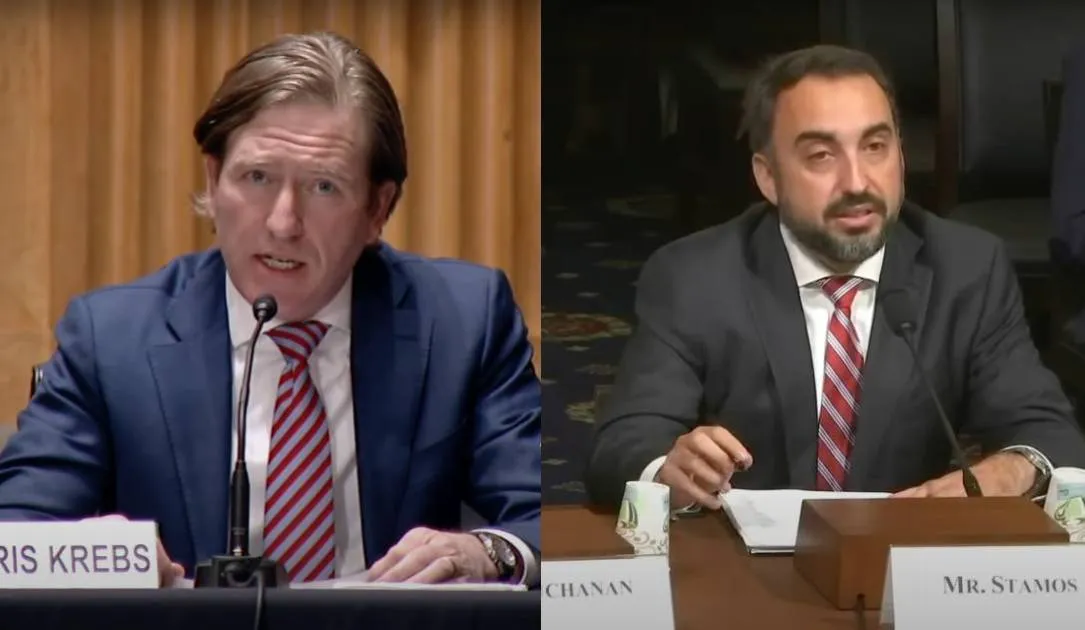
Founded in 2021 by Christopher Krebs — the first director of the U.S. Cybersecurity and Infrastructure Security Agency — and former Facebook Chief Security Officer Alex Stamos, the advisory firm provided cybersecurity consulting services to major corporations.
The terms of the deal were not disclosed, but Krebs will serve as chief intelligence and public policy officer at SentinelOne while Stamos will serve as chief trust officer.
The terms of the deal were not disclosed, but Krebs will serve as chief intelligence and public policy officer at SentinelOne while Stamos will serve as chief trust officer.
According to SentinelOne, the new PinnacleOne venture will “focus on helping today’s executives understand the realities of operating in the modern global business landscape through unparalleled intelligence, insight and transformative risk management strategies.”
“Whether we like it or not, technology has changed the world as we know it and it’s probably going to get worse before it gets better. But there is hope,” Krebs said. “PinnacleOne will provide insight and advice executives can rely on to better understand the threats they’re facing, alongside actionable strategies that enhance their resilience and prepare them for the future.”SentinelOne’s Eran Ashkenazi referred to the new entity as a “think tank for hire” that would help customers understand who is targeting them, what they’re after and how strong their security posture is.
In a post on LinkedIn, Stamos said he and Krebs were excited to “help build new capabilities to support defenders from the hands-on-keyboard security analyst up to the Board of Directors.”
Stamos added that he will be leaving his role as director of the Stanford Internet Observatory to focus more on teaching at the school and child safety research.
- In May, the Krebs Stamos Group laid off six of its 18 employees.
- Stamos ran Facebook’s security team as the company dealt with several controversies, including the proliferation of Russian disinformation on the platforms during the 2016 U.S. Presidential election and United Nations’ reports that military generals in Myanmar used the social media site to perpetrate the Rohingya genocide.


SentinelOne Set to Acquire a Cybersecurity Consulting Firm, Krebs Stamos Group
By Kaaviya Ragupathy
- November 13, 2023
By Kaaviya Ragupathy
- November 13, 2023

...Operational as both a strategic advisory group and a think tank for hire, PinnacleOne, under Krebs and Stamos’ leadership, will assist organizations in understanding their digital footprint, evaluating security postures, and navigating the evolving regulatory landscape.
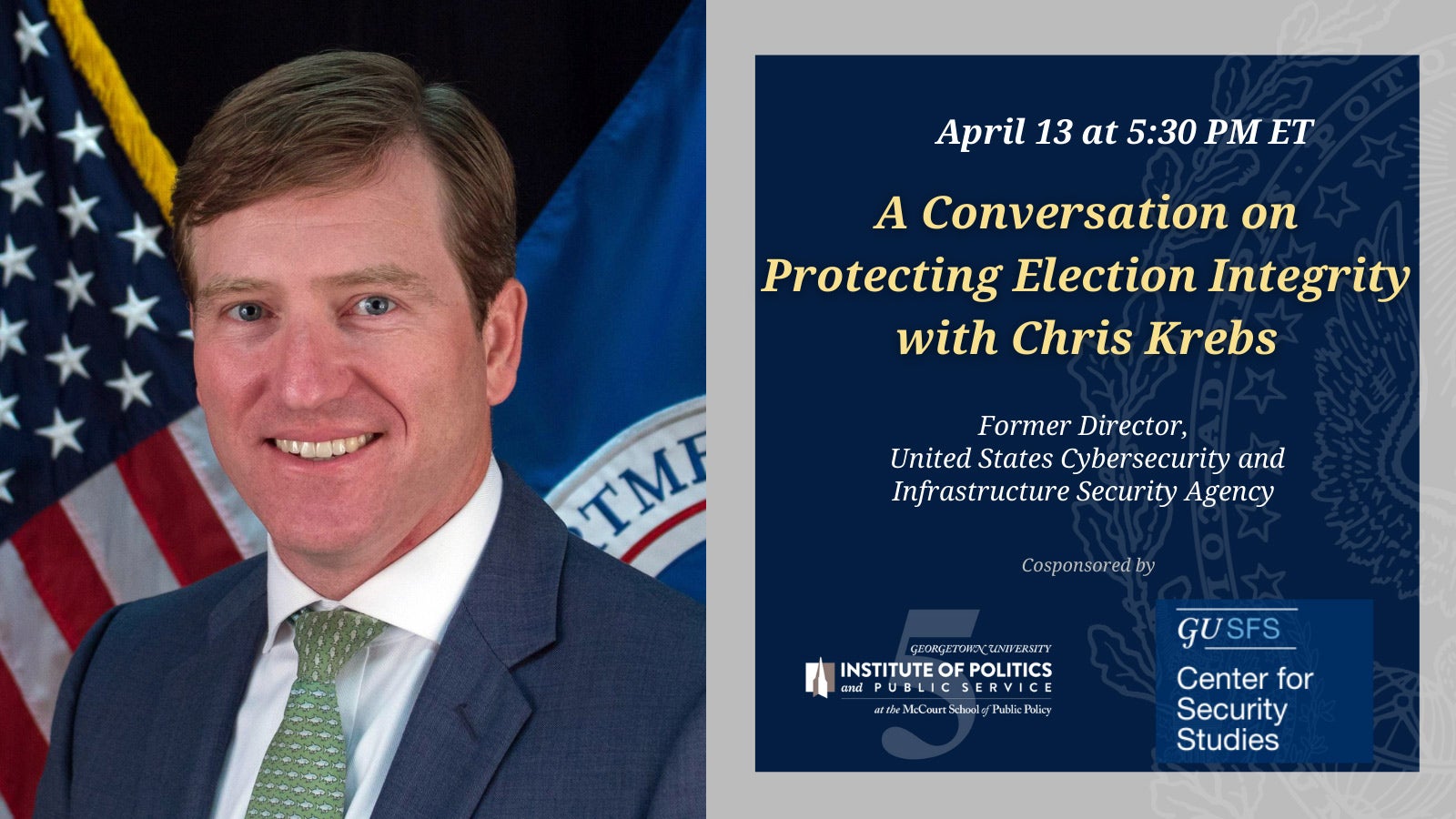
Krebs, with his extensive background as the inaugural director of the U.S. Department of Homeland Security’s Cybersecurity and Infrastructure Security Agency (CISA), brings a wealth of experience to the role of Chief Intelligence and Public Policy Officer and President of PinnacleOne.
Stamos, assuming the role of Chief Trust Officer for SentinelOne, adds his expertise as the Founder and Director of the Stanford Internet Observatory, former Chief Security Officer of Facebook, and Chief Information Security Officer at Yahoo.
Krebs, with his extensive background as the inaugural director of the U.S. Department of Homeland Security’s Cybersecurity and Infrastructure Security Agency (CISA), brings a wealth of experience to the role of Chief Intelligence and Public Policy Officer and President of PinnacleOne.
Stamos, assuming the role of Chief Trust Officer for SentinelOne, adds his expertise as the Founder and Director of the Stanford Internet Observatory, former Chief Security Officer of Facebook, and Chief Information Security Officer at Yahoo.


