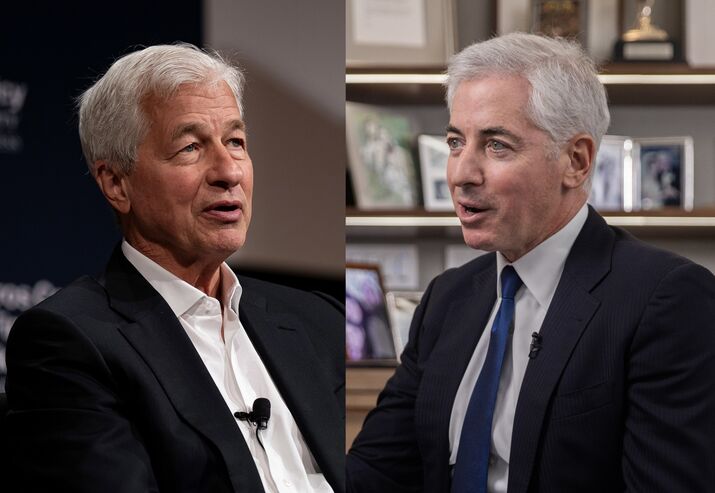
Wall Street Execs Privately Credit Dimon and Ackman for Swaying Trump on Tariffs
The full moon can even look pinkish for a short time, depending on the atmosphere, but that's not why April's full moon is called the "Pink Moon." That name actually comes from the spring bloom of a wildflower called Phlox subulata (or "moss pink"), which is native to eastern North America, according to Almanac.
This full moon is also known as the Paschal Moon and is used to determine the date of Easter (Pascha in Latin) each year. In 2025, Easter falls on Sunday, April 20.
Also known as the 'Paschal Moon,' April's full 'Pink Moon' will rise alongside Spica, one of the brightest stars in the night sky, on April 12.
On Saturday, April 12, look east at dusk to see the next full moon rise into the sky: the "Pink Moon".
April's full moon — the first of spring in the Northern Hemisphere — occurs as Earth gets between the sun and moon. Our natural satellite will be 100% illuminated at 8:22 p.m. EDT on April 12, rising in the east during dusk, shining all night before setting in the west at dawn. If you miss that event, the moon will also appear bright and full on Friday and Sunday.
Although you may think it's fine to just look at any phase of the moon at any time of night, a full moon is too bright once it's high in the sky to observe comfortably. By far the best time to see it is as it rises or sets — the former being by far the more practical time unless you're an early bird.

Source: Xinhua
Editor: huaxia
2025-04-09 15:11:45
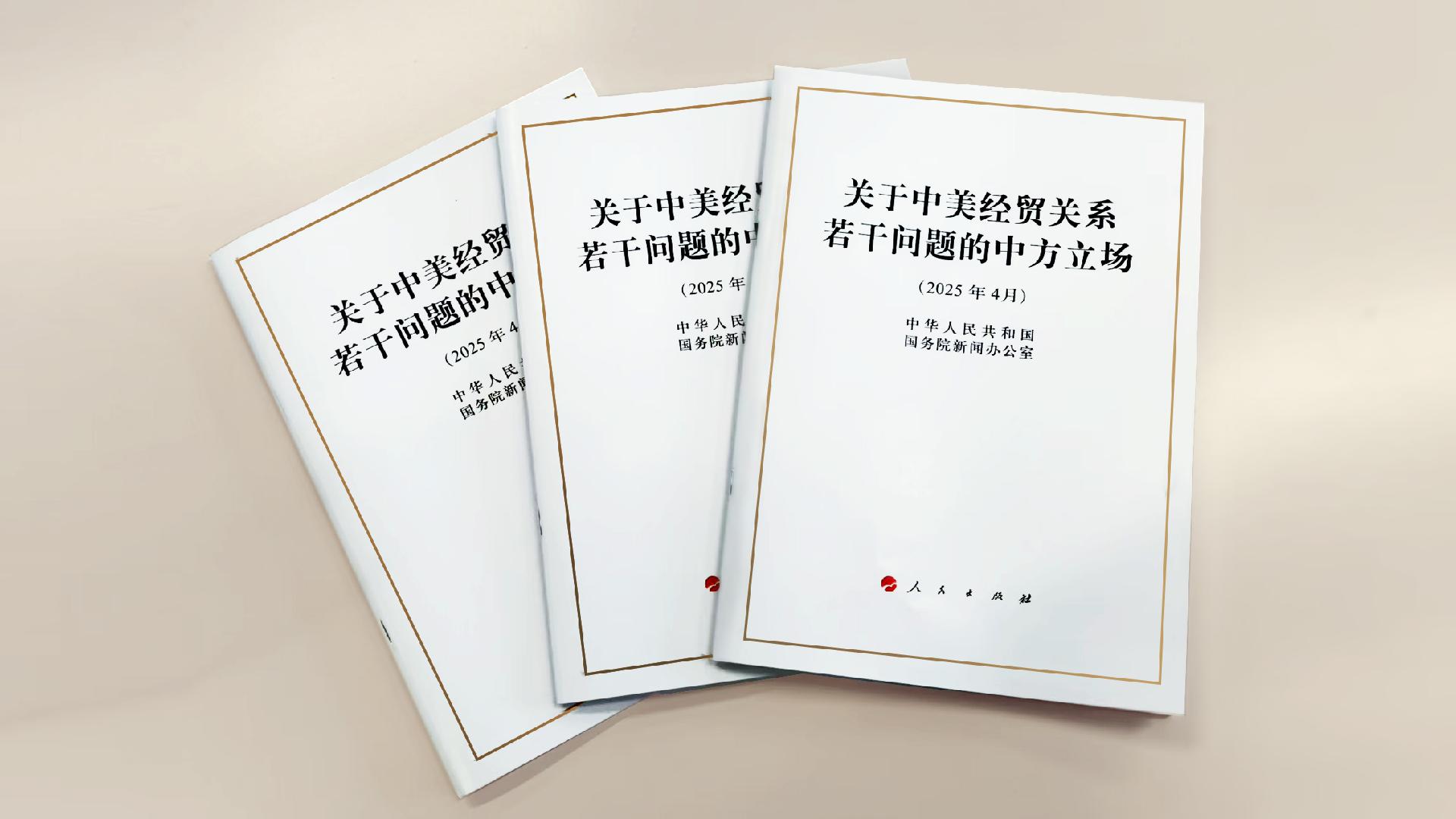
BEIJING, April 9 (Xinhua) -- China's State Council Information Office on Wednesday released a white paper titled "China's Position on Some Issues Concerning China-U.S. Economic and Trade Relations."
The Chinese government issued the document to clarify the facts about China-U.S. economic and trade relations, and elaborate the position of the Chinese side on relevant issues, according to the white paper.
The white paper came as rising unilateralism and protectionism in the United States have significantly impeded normal economic and trade cooperation between the two countries.
Since the beginning of trade friction in 2018, the U.S. side has imposed tariffs on Chinese exports worth more than 500 billion U.S. dollars, and has continuously implemented policies aimed at containing and suppressing China. Recently, the United States levied comprehensive additional tariffs on Chinese products, including tariffs citing the fentanyl issue as the pretext, "reciprocal tariffs," and an additional 50 percent on existing tariffs.
These measures -- revealing the isolationist and coercive nature of U.S. conduct -- run counter to the principles of the market economy and multilateralism, and will have serious repercussions for China-U.S. economic and trade relations, the white paper said.
In response to the U.S. moves, China has taken forceful countermeasures to defend its national interests, and has remained committed to resolving disputes through dialogue and consultation, with multiple rounds of consultations with the U.S. side to stabilize bilateral economic and trade relations, according to the document.
The Chinese side has always maintained that China-U.S. economic and trade relations are mutually beneficial and win-win in nature, the white paper said.
As two major countries at different stages of development with distinct economic systems, it is natural for China and the United States to have differences and frictions in their economic and trade cooperation. It is crucial to respect each other's core interests and major concerns, and find proper solutions to resolve the issues through dialogue and consultation, according to the document. ■
Full text: China's Position on Some Issues Concerning China-U.S. Economic, Trade Relations
ANGEL ROBLES is k nown for an eclectic set list t hat spans multiple genres, . . He utilizes loop pedals, acoustic guitars, and backing...


