According to the government, the strategy will offer working families across the country new opportunities, such as highly skilled engineering jobs or youth apprenticeships.
UK Chancellor Rachel Reeves said the plan would “unlock the power of the local economy while ensuring the security of our country.”
HERE ARE DETAILS:
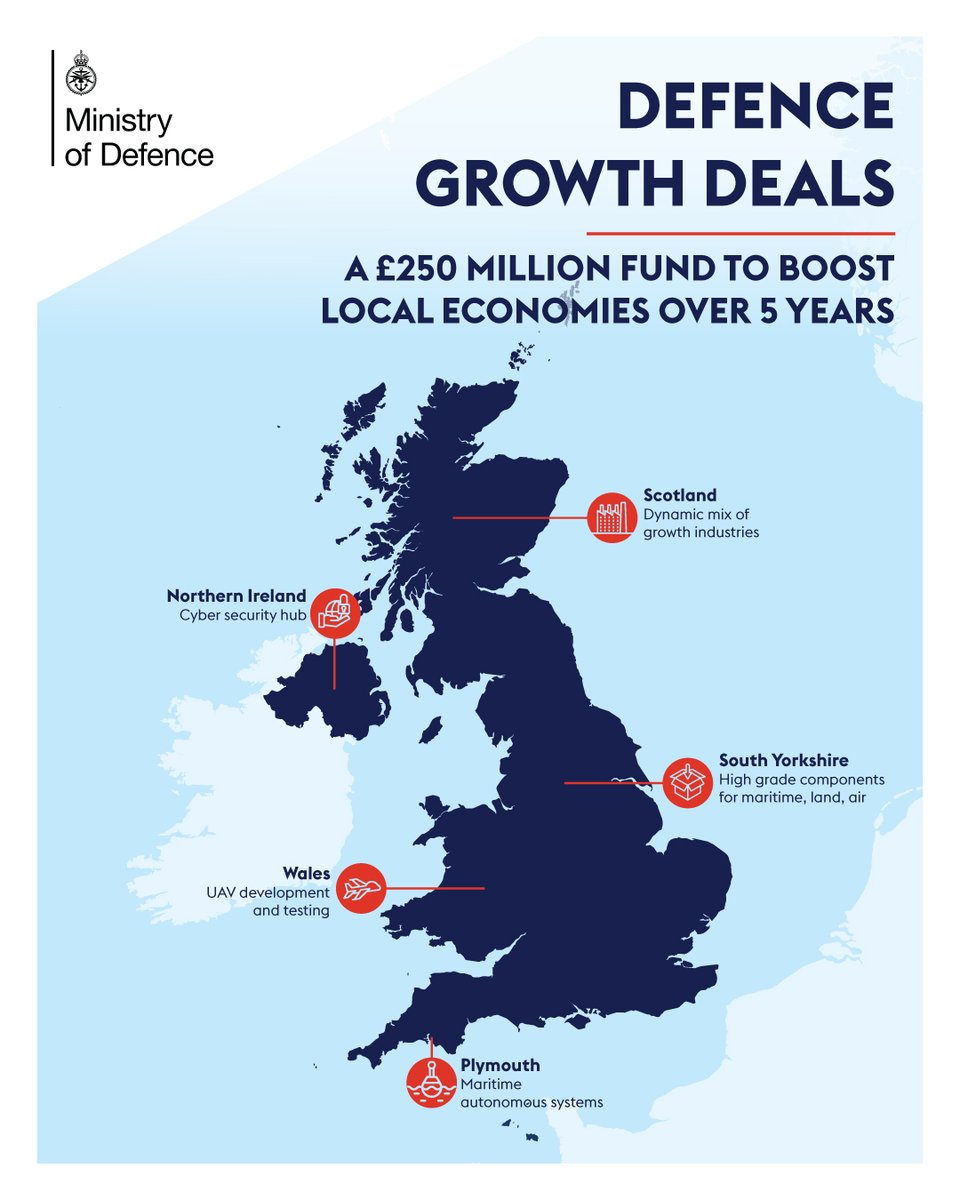
The government expects up to 50,000 new defense sector jobs could be
created by 2035. At its core are five new defense growth deals designed
to unlock the potential of local economies across England, Wales,
Scotland, and Northern Ireland.
The £250 million fund will be used in collaboration with local
authorities, businesses, academia, and the defense sector to support job
creation, skills development, and innovation.
As part of the initial defense growth agreements:
- Plymouth will become the UK’s national hub for maritime autonomy,
supported by £4 billion in Royal Navy investments over the next decade.
- South Yorkshire will specialize in advanced materials and steel
production for defense, including submarine and weapons components.
- Wales will serve as a center for drone development and autonomy research, backed by Tekever and Snowdonia Aerospace Centre.
- Scotland will become a hub for innovation in maritime and space technologies.
- Northern Ireland will lead in cybersecurity and dual-use
technologies, hosting firms like Thales and Harland & Wolff, as well
as Queen’s University Belfast’s Centre for Secure Information
Technologies.
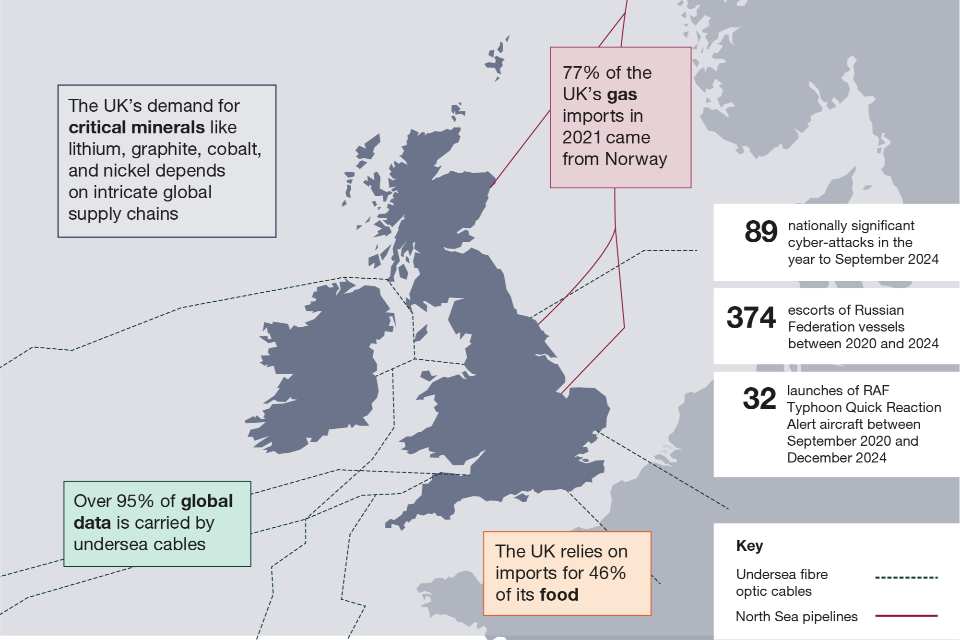
- Additionally, the DIS aims to address global threats such as the war in Ukraine, stressing the need for rapid innovation and industrial capacity to safeguard national security.
- With defense spending set to rise to 2.6% of GDP by 2027, and with ambitions to reach 3%, the UK government describes the DIS as a long-term investment in both security and a high-growth economy.
Uploaded: Sep 10, 2025 · 195 Comments
===