The key objectives of this mission encompass scientific inquiries, collection of soil samples, and refinement of soft landing techniques.


Russia launches first mission to the moon in nearly 50 years
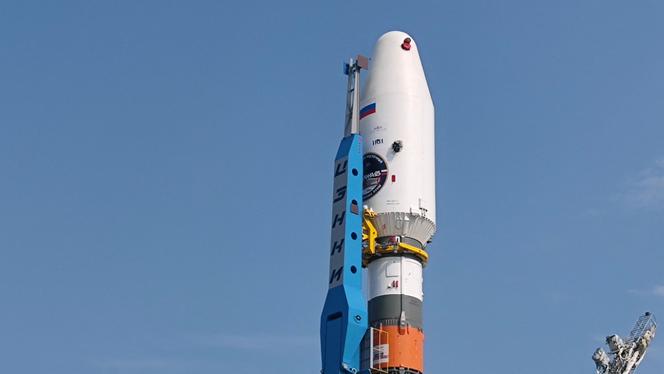
Launch of the Luna-25 craft to the moon on Friday was conducted without assistance from the European Space Agency.


- The launch of the Luna-25 craft to the moon on Friday was Russia’s first since 1976 when it was part of the Soviet Union and was conducted without assistance from the European Space Agency, which ended cooperation with Russia after its invasion of Ukraine.
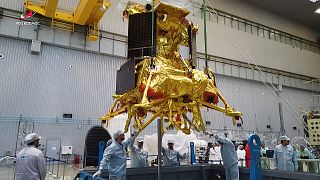
The four-legged lander weighs approximately 800kg (1,750 pounds) and is due to reach lunar orbit in five days.
It will then spend between three and seven days choosing the right spot before landing in the lunar south pole area.
“For the first time in history, the lunar landing will take place on the lunar south pole. Until now, everyone has been landing in the equatorial zone,” senior Roscosmos official Alexander Blokhin said in a recent interview.
- The lander is expected to reach the moon’s surface on August 23, around the same time as an Indian craft, which was launched on July 14.
- Only three governments have managed successful moon landings: the Soviet Union, the United States and China.
- It would show that it can do so with “equipment that is effectively made in Russia – Russia’s own brand – to compete at an international level”, he said.
‘Political competition’
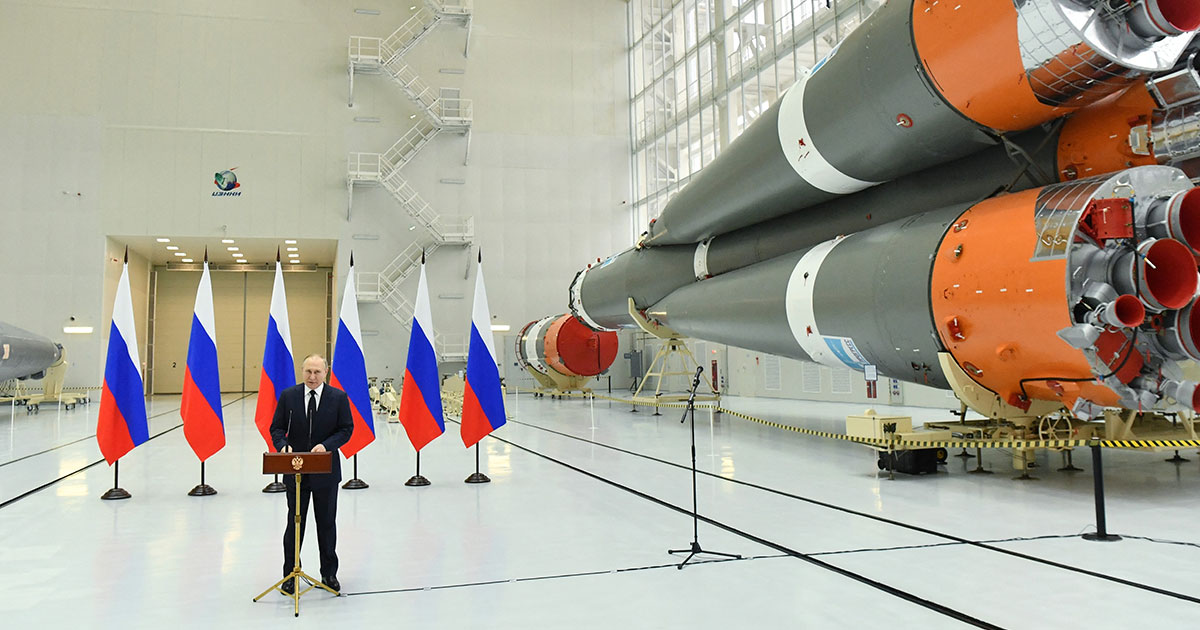
- The spaceport is a pet project of Russian President Vladimir Putin and is key to his efforts to make Russia a space superpower and move Russian launches from the Baikonur Cosmodrome in Kazakhstan.
He said Russia would develop its lunar programme despite Western economic penalties that reached unprecedented levels over the Ukraine war.
“We are guided by the ambition of our ancestors to move forward, despite any difficulties and despite external attempts to prevent us from moving,” Putin said.
- A previous Indian attempt to land at the moon’s south pole in 2019 ended when the lander crashed into the moon’s surface.
The lunar south pole is of particular interest to scientists, who believe the permanently shadowed polar craters may contain water. The frozen water in the rocks could be transformed by future explorers into air and rocket fuel.
“The moon is largely untouched, and the whole history of the moon is written on its face,” said Ed Bloomer, an astronomer at the United Kingdom’s Royal Observatory, Greenwich. “It is pristine and like nothing you get on Earth. It is its own laboratory.”
The Luna-25 is to take samples of moon rock and dust.
- The samples are crucial to understanding the moon’s environment ahead of building any base there, “otherwise we could be building things and having to shut them down six months later because everything has effectively been sand-blasted”, Bloomer said.





No comments:
Post a Comment