
- She said three senior male colleagues in a dorm at a training ground in August 2021 pressed the lower part of their bodies against her, forcing her to spread her legs, as more than 10 other male colleagues watched and laughed, but none tried to stop them.
- She said in a statement that she filed a case with the ministry, but that the investigation was not properly conducted and local prosecutors dropped the case . . .A month later she quit the army and disclosed her allegations on social media.
- Gonoi said she hopes the ministry will release the findings in her case and take strict disciplinary action against the alleged assailants.
Rina Gonoi: Japan soldiers found guilty of sexual assault
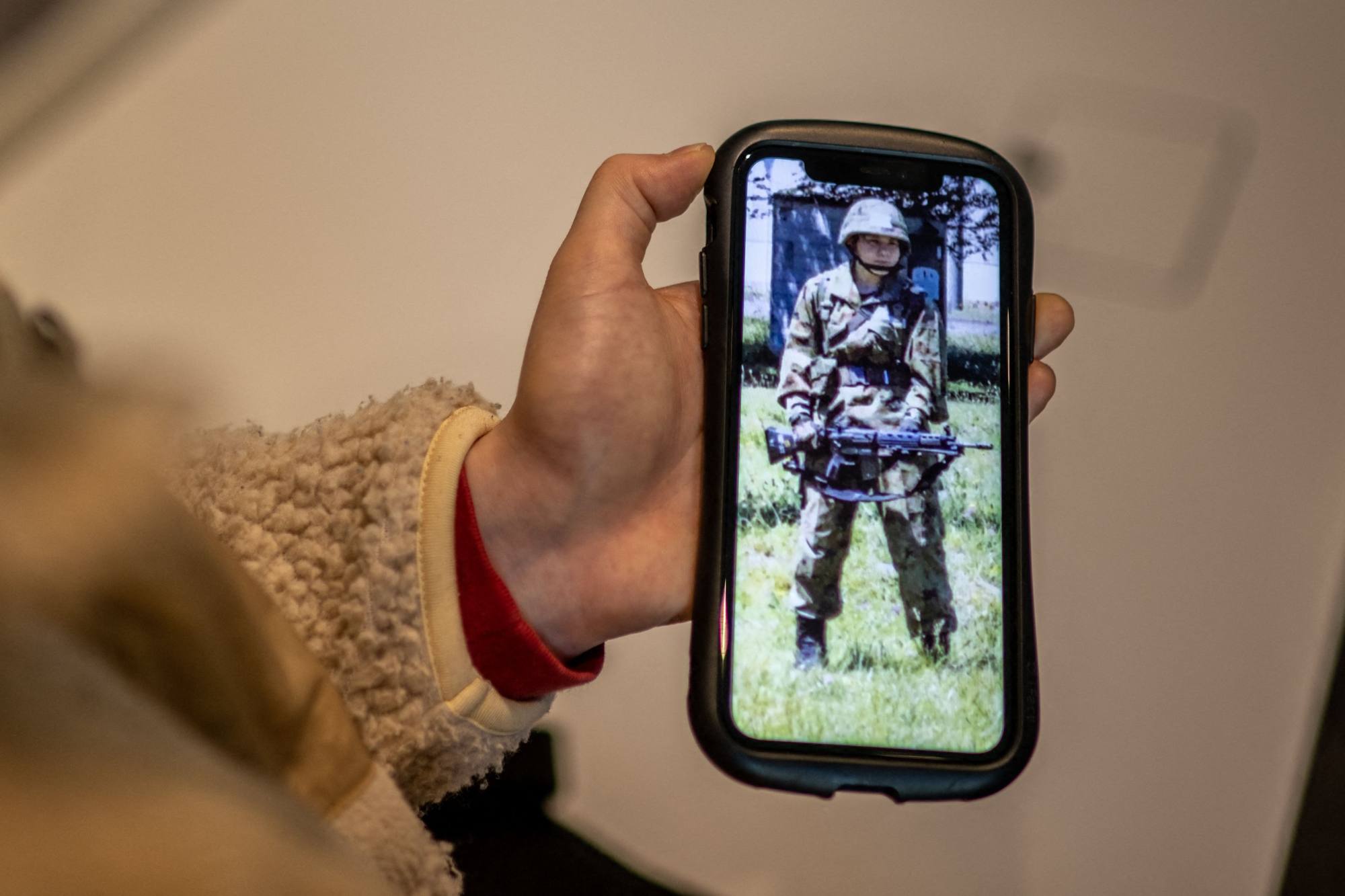
A court in Japan on Tuesday found three former soldiers guilty of sexually assaulting a female colleague and gave them suspended jail terms.
The case of 24-year-old Rina Gonoi relates to a 2021 incident during her time in the army.
After joining the Japanese Self Defense Forces in 2020, she said she experienced daily harassment.
"When walking down the hallway, someone slaps you on your hip, or holds you from behind," she told AFP. "I was kissed on the cheek, and my breasts were grabbed."
And then in 2021, during a drill, she said three of her colleagues pinned her to the ground, forced her legs apart and pressed their crotches against her in simulation of a sex act. She said other colleagues present at the time watched and laughed.
Even though she complained to her superiors at the time, no action was taken, prompting Gonoi to leave the military.

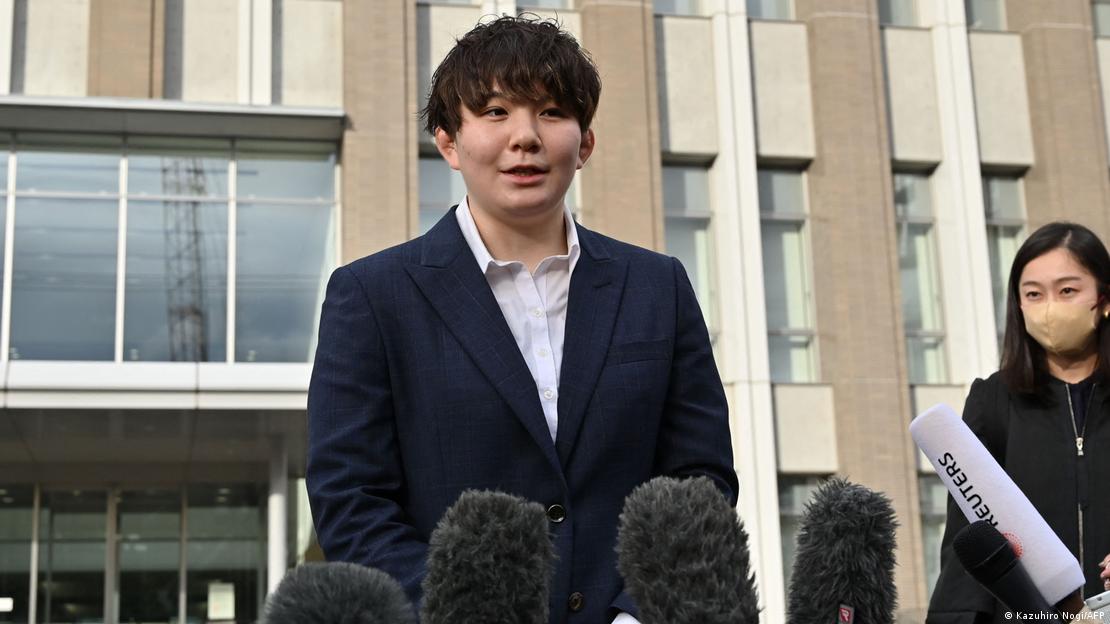
In 2022, Gonoi took to YouTube to share her account.
After she went public, Japan's Defense Ministry issued a public apology to her and announced that five men connected to the incident had been dismissed and four others punished.
Attracting recognition as well as vitriol
Gonoi's decision to go public also grabbed public attention and put a spotlight on the issue of sexual assault and harassment in a society where women rarely hold positions in the upper echelons of politics, business and military.
It also inspired others to file complaints about sexual harassment and bullying.
In the military, for instance, over 1,400 women and men have submitted their allegations following a special inspection by the Defense Ministry.
This June, Japan passed legislation redefining rape, including removing the requirement that victims prove they had sought to resist their attacker.
Japan: Women mobilize against sexual harassment

Gonoi's battle has even attracted international recognition: Time Magazine named her on its list of 100 emerging world leaders while the British Broadcasting Corp included her among its 100 most influential women globally.
But she has also been a target of online vitriol.
"I have gotten many derogatory comments. But I know the world values what I'm doing," she told Reuters.
Separately, Gonoi has lodged a civil case against her former peers and the government, seeking damages for the alleged assault and the subsequent inaction despite her complaints.
sri/lo (Reuters, AFP)
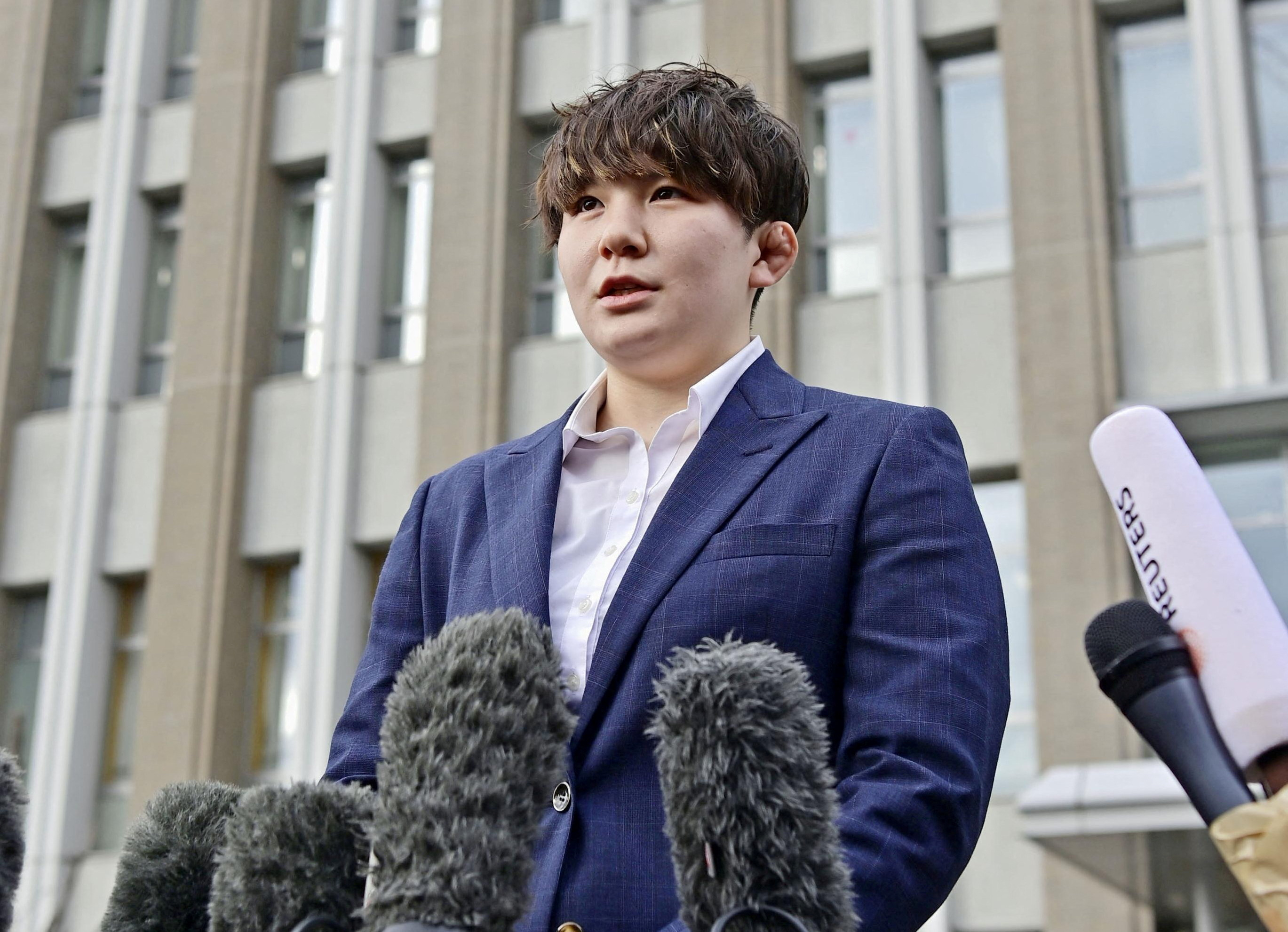


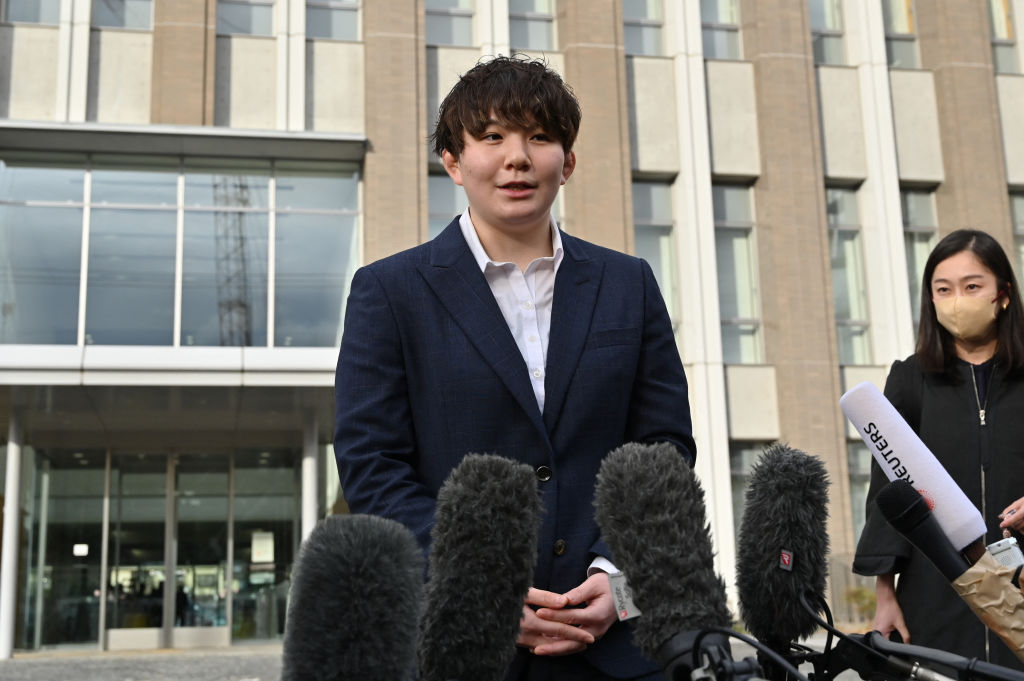

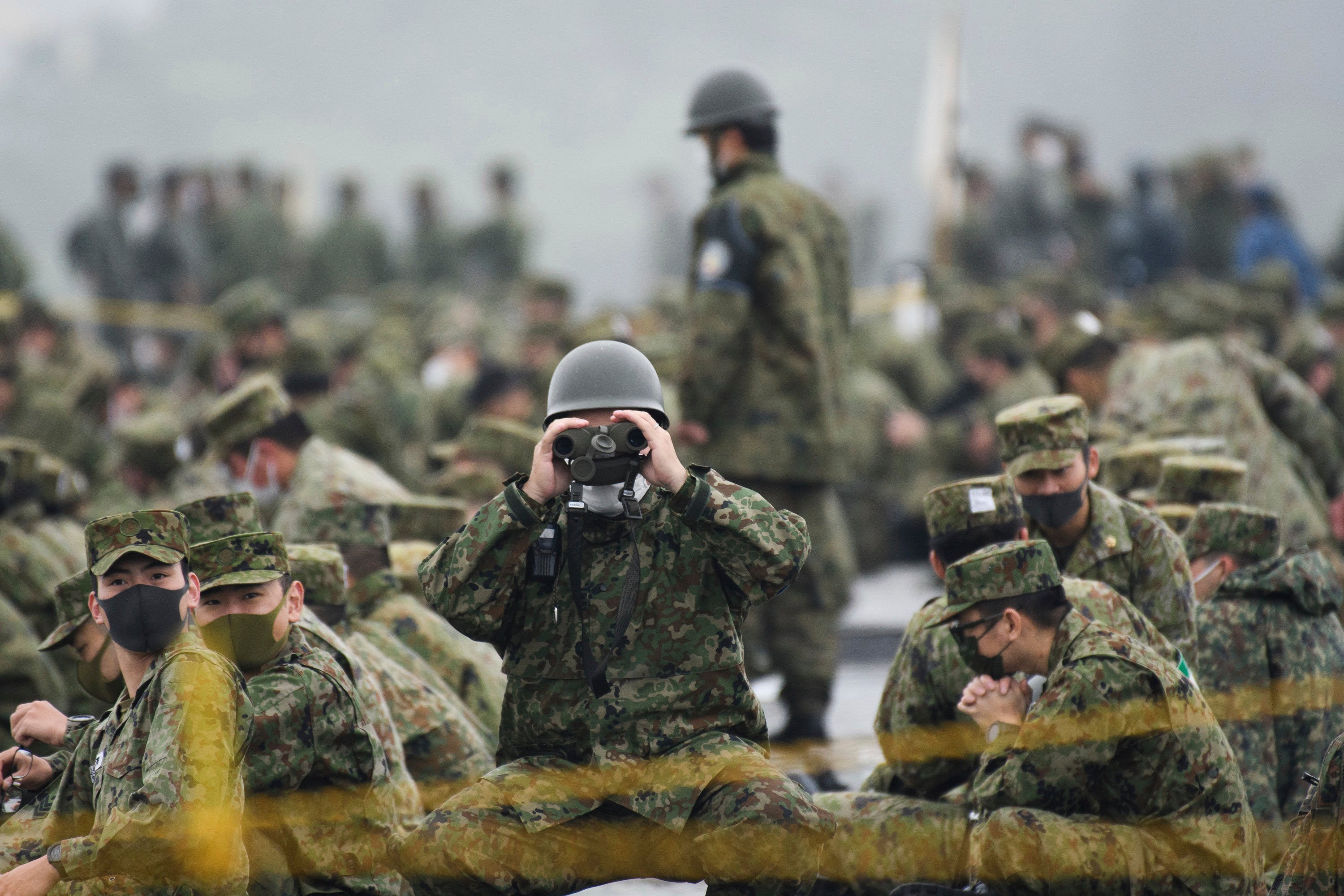
The Fukushima district court sentenced the men to two years in prison, in line with prosecutors’ demands. The sentences were suspended for four years, according to the court.
Rina Gonoi, the 24-year-old victim, took the rare step of going public with her accusations, drawing widespread attention in Japan, where individual victims of such crimes rarely speak out in public against their assailants. Among previous, high-profile examples was journalist Shiori Ito, who in late 2019 won damages in a rape case against a prominent television journalist — a decision upheld by the Supreme Court of Japan in 2022.
Read More: Rina Gonoi Is on the TIME100 Next 2023 List
Gonoi’s case also comes as the government is struggling to fill recruitment quotas amid a demographic crunch and increasing security challenges posed by China and North Korea.
Gonoi said she endured frequent harassment after joining the SDF in 2020 and that in 2021 the defendants physically pinned her to the ground and pressed their bodies against hers in a sexually suggestive manner in front of several other colleagues.
The three men said they were initially forced to apologize but that there had been no assault.
- After prosecutors and the Ministry of Defense failed to help, she turned to social media, making her case on YouTube and starting an online petition, which eventually gained media attention, forcing officials to take action.
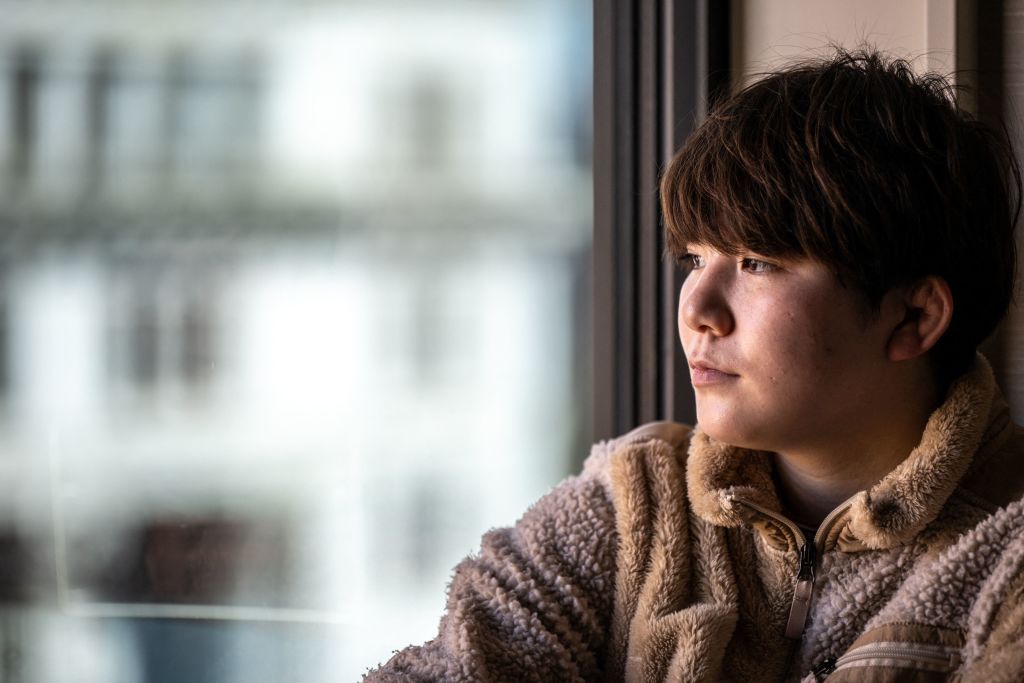
- She was recently chosen by the BBC for its worldwide list of 100 influential women, while also becoming the target of online abuse. Gonoi said the defendants’ lack of contrition was particularly distressing.
“These past years have been hellish,” Gonoi, who now occasionally teaches judo, told Bloomberg News ahead of the verdict.
“I had hoped they’d express remorse, but there was none,” she said. “It was a bit of a shock. I felt hopeless.”
Gonoi, who has also filed a civil case against the government, said she hoped her case would draw more attention to victims of harassment and assault. Following her claim, the Ministry of Defense conducted a survey that found over 1,300 cases of harassment in different branches of the defense forces.
Japanese ex-soldiers found guilty in landmark sexual assault case
Victim's battle for justice challenged taboos in traditional, male-dominated society

The case of 24-year-old former Self-Defense Forces member Rina Gonoi, which has drawn broad international attention, relates to a 2021 incident during her time in the army when she alleges she was assaulted by three male colleagues.
The defendants, who denied their acts amounted to sexual assault, were each given a two-year suspended sentence, local media reported.
"I think it was good for Japan's society that the court handed down a guilty verdict and accepted the claims that I've made from the very beginning," an emotional Gonoi told reporters outside the Fukushima district court after the ruling.
"[The verdict] shows that it's not OK to do things for a laugh, that such acts are an actual crime," she said, pausing mid-sentence to retain her composure.
Gonoi, who said she was subjected to persistent harassment after enlisting in 2020, alleged that the three men pinned her to the ground, pulled her legs apart and pressed their crotches against her in simulation of a sex act.
She complained to her superiors at the time of the incident but later decided to leave the army when no action was taken.
After Gonoi went public in 2022, Japan's defense ministry issued a public apology to her and announced that five men connected to the incident had been dismissed and four others punished. Her allegations also sparked a widespread survey by the Japan's defense ministry into sexual assault in the military.
Her rare decision to go public with her accusations garnered attention in a conservative society where speaking out against sexual violence has remained largely taboo.
It also coincided with an effort by Japan to recruit more women soldiers and build up its military to deter its powerful neighbour China and nuclear-armed North Korea.
Gonoi's battle has attracted international recognition: Time Magazine named her on its list of 100 emerging world leaders while the BBC included her among its 100 most influential women globally.
"I am appreciative of the fact that they value what I'm doing. There is a tendency in Japan when people speak up, they get criticized," Gonoi told Reuters in an interview ahead of the verdict.
But at home she has also been the target of online vitriol.
"I have gotten many derogatory comments. But I know the world values what I'm doing," she said.
Separately, Gonoi has also lodged a civil case against her former peers and the government, seeking damages for the alleged assault and the subsequent inaction despite her complaints.


No comments:
Post a Comment