What Arizona and other drought-ridden states can learn from Israel's pioneering water strategy
Arizona is one of the fastest-growing states in the U.S., with an economy that offers many opportunities for workers and businesses. But it faces a daunting challenge: a water crisis that could seriously constrain its economic growth and vitality.
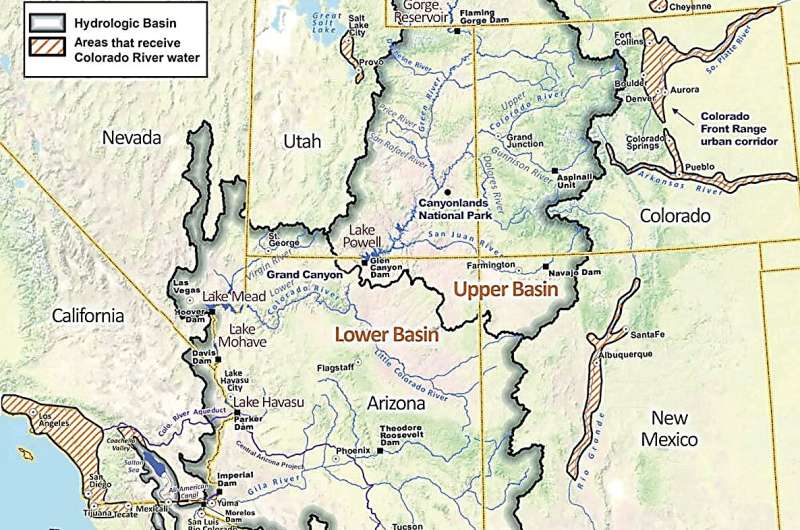
A recent report that projected a roughly 4% shortfall in groundwater supplies in the Phoenix area over the next 100 years prompted the state to curtail new approval of groundwater-dependent residential development in some of the region's fast-growing suburbs. Moreover, negotiations continue over dwindling supplies from the Colorado River, which historically supplied more than a third of the state's water.
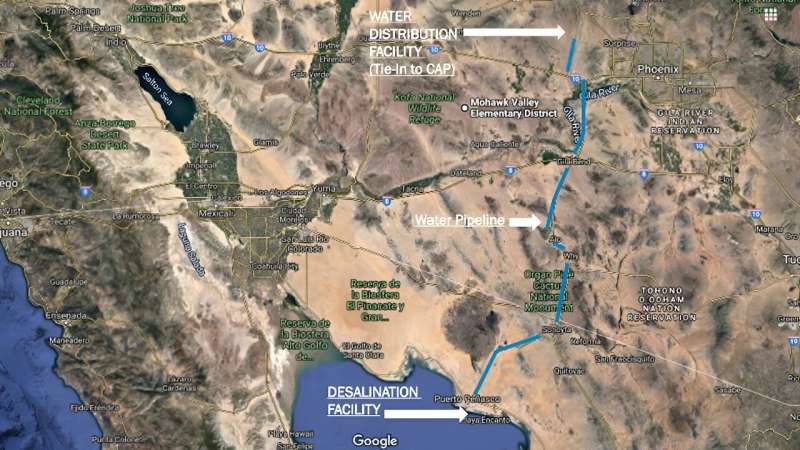
As a partial solution, the Arizona Water Infrastructure Finance Authority is exploring a proposal to import desalinated water from Mexico. Conceptualized by IDE, an Israeli company with extensive experience in the desalination sector, this mega-engineering project calls for building a plant in Mexico and piping the water about 200 miles and uphill more than 2,000 feet to Arizona.
Ultimately, the project is slated to cost more than US$5 billion and provide fresh water at nearly 10 times the cost of water Arizona currently draws from the Colorado River, not including long-term energy and maintenance costs.
Steps Arizona can take now
- Irrigated agriculture uses more than 70% of Arizona's water supply, and most of the state's irrigated lands use flood irrigation—pumping or bringing water into fields and letting it flow over the ground.
- Greater use of drip irrigation, which delivers water to plant roots through plastic pipes, and other water-saving techniques and technologies would reduce agricultural water use.
- Arizona households, which sometimes use as much as 70% of residential water for lawns and landscaping, also have a conservation role to play. And the mining sector's groundwater use presently is largely exempt from state regulations and withdrawal restrictions.
- Arizona also should continue to expand programs for agricultural, municipal and industrial wastewater reuse.
This article is republished from The Conversation under a Creative Commons license. Read the original article.


No comments:
Post a Comment