
GDMS Awarded Contract to Continue Support to Trident II Strategic Weapon System
Delivering full life cycle support and next-generation fire control systems for strategic deterrence
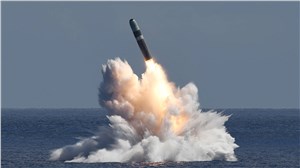
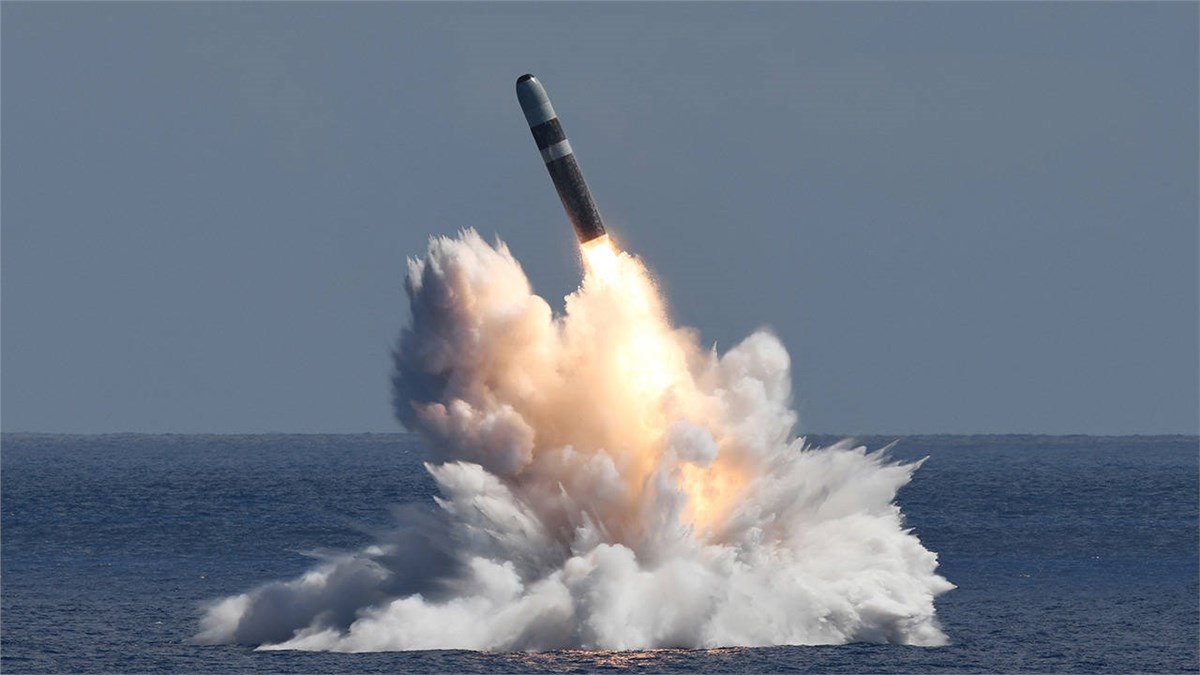
General Dynamics Mission Systems announced today that it was awarded a cost-plus-incentive-fee and cost-plus-fixed-fee follow-on contract with an initial order value of $255 million as the prime integrator for the Trident II Fire Control System (FCS).
- The contract, awarded in January, includes options which, if exercised, would bring the cumulative value to $740 million.
- General Dynamics Mission Systems supports the Navy’s shipbuilding priority with FCS development, production, sparing and installation activities for three Columbia-class hulls along with additional labs and trainers kits.
- Continuous development for the Trident II D5 Life Extension 2 (D5LE2) FCS will occur under this contract, as well.
“General Dynamics Mission Systems has been a trusted provider of highly reliable fire control systems to the U.S. submarine force for more than seven decades. We remain committed to delivering highly reliable state-of-the-art, innovative solutions to the U.S. Navy. Supporting the strategic deterrent mission is a responsibility we take seriously, and we are dedicated to continuing our track record of on-time, on-budget delivery,” said Laura Hooks, vice president and general manager of Maritime and Strategic Systems at General Dynamics Mission Systems.
- Pittsfield, Massachusetts (87%);
- Bangor, Washington (1%);
- Kings Bay, Georgia (1%);
- Loanhead, Midlothian, United Kingdom (4%);
- Cape Canaveral, Florida (3%);
- Groton, Connecticut (3%); and
- Quonset Point, Rhode Island (2%).
Mar 4, 2026
View original News release
AV Awarded $97M US Army Contract to Advance Next-Gen Sensor Testing
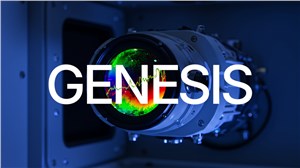
- AV will design and integrate prototype test environments—including flight motion table and cryogenic space chamber facilities—at Redstone Arsenal in Huntsville, Alabama, to accelerate the next generation of Integrated Air and Missile Defense (IAMD).
- The unified environment will enable joint planning, modeling, and validation across space, air, and missile defense domains in support of the Combat Capabilities Development Command Aviation & Missile Center (DEVCOM AvMC), and its government partners.
“True innovation in defense starts long before technology reaches the battlefield—it starts in how we test, refine, and prove it,” said Mary Clum, President of Space, Cyber and Directed Energy at AV. “By creating realistic, repeatable, and scalable testing ecosystems, we’re helping the Army accelerate innovation, strengthen deterrence, and ensure our warfighters maintain a decisive advantage in every domain.”
- By combining real hardware with simulated environments, HWIL and Scene Generation enable realistic, dynamic testing of sensors, guidance, and control systems, allowing DEVCOM AvMC to validate and field technologies faster and with greater confidence, while refining performance, reducing risk, and strengthening the industrial base for future military applications.
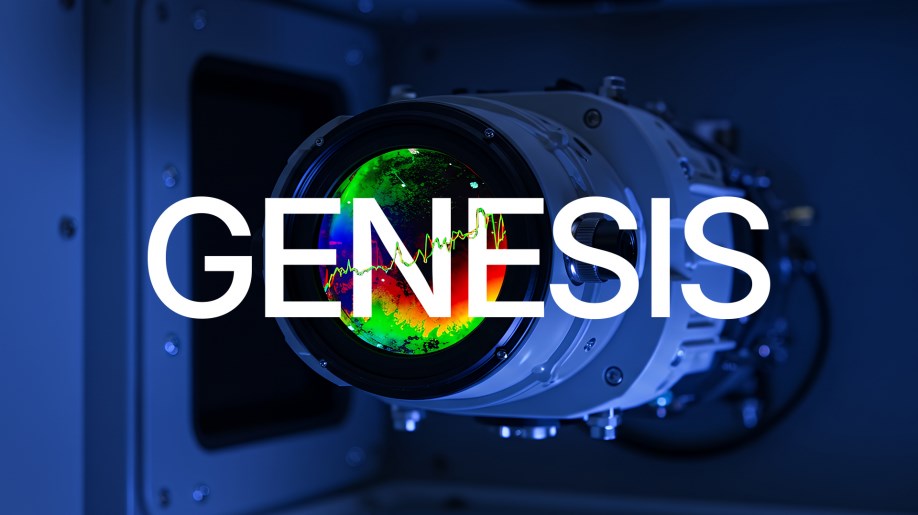
“GENESIS shows what’s possible when industry and government align around a shared vision of innovation,” said Johnathan Jones, Senior Vice President for Cyber and Mission Solutions at AV. “We’re pushing the boundaries of sensor testing—advancing realism and precision to help the U.S. military accelerate development, reduce risk, and deliver mission-ready technologies that preserve our nation’s decisive advantage and give warfighters the most capable, reliable systems possible.”
Mar 5, 2026
View original News release
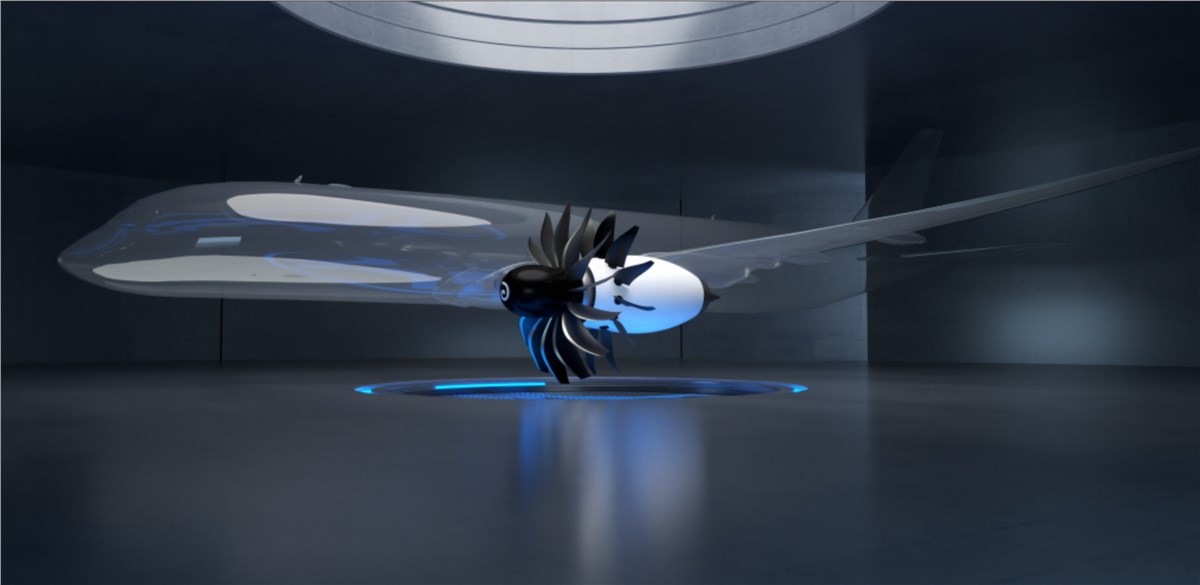
Launch of European Clean Aviation TAKE OFF project led by Safran and partners
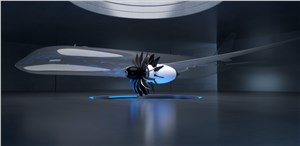
- As the consortium leader, Safran Aircraft Engines will coordinate development efforts among 25 partners, bringing together European industry leaders—including Airbus, Avio Aero, and GKN Aerospace—with top universities and research centers.
- This architecture was unveiled in 2021 as part of the CFM RISE technology demonstration program: the target is to achieve a 20% improvement in fuel efficiency for next-generation engines starting from mid-next decade.
“TAKE OFF embodies the European Union and aerospace industry’s shared ambition to make aviation more sustainable,” said Pierre Cottenceau, Vice President, Engineering, Research & Technology at Safran Aircraft Engines. “We’re proud to partner with leading industry players on this pivotal project shaping our sector’s future. Project synergies will pave the way for a full-scale Open Fan engine flight demonstration, showcasing the competitive benefits of such architecture in terms of energy efficiency and acoustic performances.”
- The project will culminate in an Airbus A380 flight demonstration, targeting technological maturity equivalent to a pre-development configuration.
- These efforts will be conducted in synergy with the results of the COMPANION (Common Platform and Advanced Instrumentation Readiness for Ultra Efficient Propulsion) project led by Airbus.
“The Clean Aviation Joint Undertaking is excited to launch this flagship action for the programme and notably for the short/medium-range aircraft thrust” said María Calvo, Head of Unit Project Management at Clean Aviation. “Building on the good results shown with OFELIA and COMPANION, TAKE OFF must now demonstrate the viability of the disruptive Open Fan engine concept at a higher maturity level, in line with the flight test campaign expected for 2029.”
As part of Clean Aviation’s roadmap for ultra-efficient short/medium-range aircraft, TAKE OFF will provide flight-proven demonstration for this propulsion technology — guiding engine design and mitigating industrial investment risks.
Mar 5, 2026
View original News release

Advanced Energy Storage for Defense & Security Summit 2026
National Harbor, MD
May 27 - 28, 2026


No comments:
Post a Comment