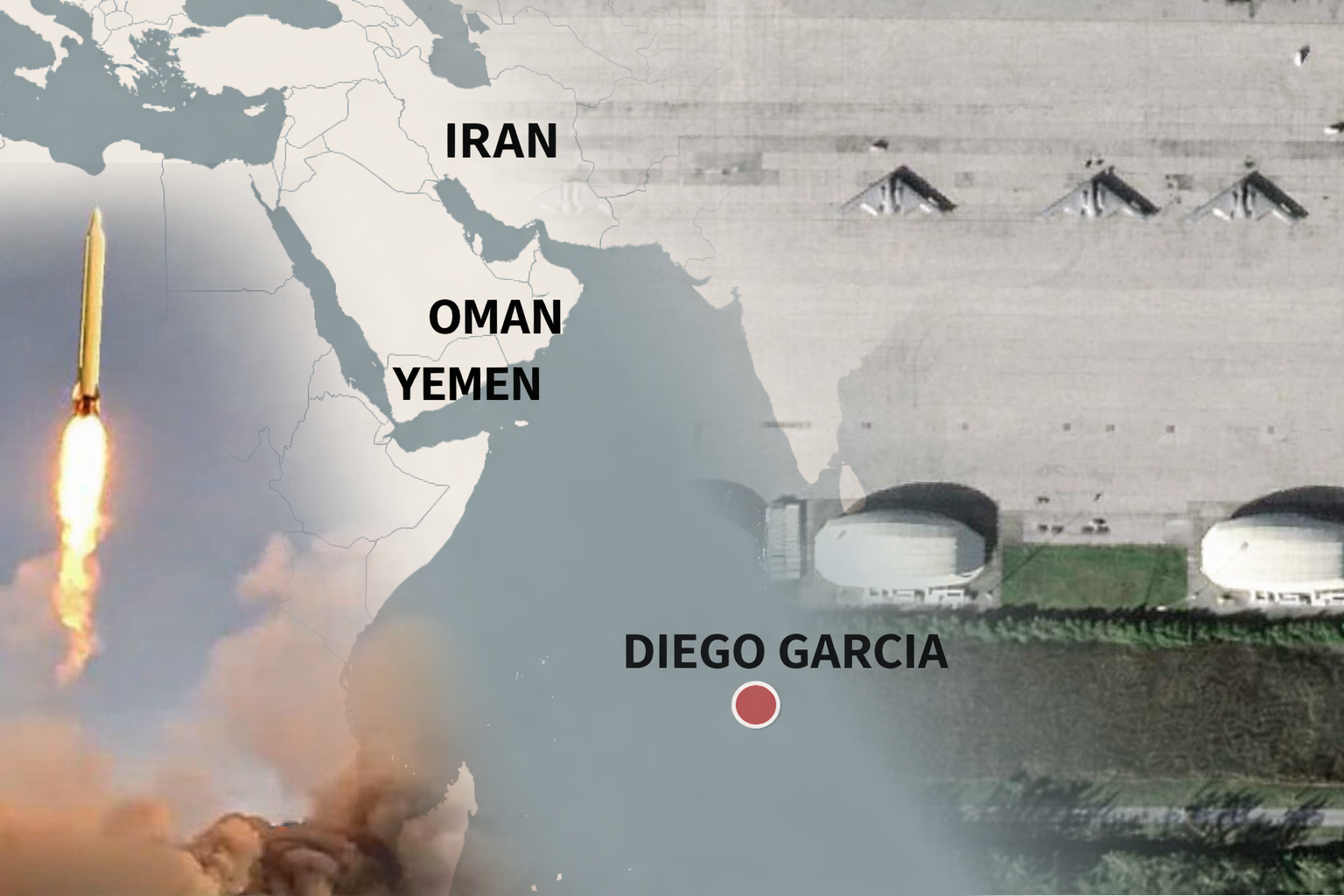
Iran has launched a long-range missile for the first time since the start of Operation Roaring Lion, with an estimated range of around 4,000 km. The capability puts major cities like London, Paris, and Berlin within reach.
- The Israeli IDF had previously warned that Iran was working to expand its missile range despite denials from the regime.
- Officials say this development reinforces concerns that Iran’s threat is no longer regional, but extends far beyond the Middle East.
Based
on recent reports, Iran has demonstrated capabilities to develop
long-range missiles, with intelligence and recent tests highlighting
potential 4,000-kilometer (not 400km) range ballistic missiles, such as
the Khorramshahr-4 or new two-stage systems
. These missiles can threaten European capitals and U.S. bases in the region, exceeding their stated 2,000km limit.Key Aspects of Iran's Long-Range Missile Capabilities
- Reported 4,000 km Capability: Recent developments, including potential tests of new, long-range systems, suggest Iran is testing missiles that could cover 4,000 km, placing cities like London and Berlin within reach.
- Khorramshahr-4 Missile: This liquid-fueled missile is considered one of Iran's most advanced, featuring a large payload capability (roughly 1,500 kg) that can be adjusted for increased range.
- Satellite Launch Vehicles (SLVs): The U.S. Defense Intelligence Agency has noted that Iran could use space launch technology to create a militarily viable ICBM by 2035.
- Intermediate Range Threats: While developing longer-range options, Iran already possesses a large arsenal of short-range (300 km) and medium-range (up to 2,500-3,000 km) missiles.
- Technological Advancement: Iran has invested in hypersonic ballistic missiles (e.g., Fattah series) and is enhancing its missile technology through lighter materials and improved, though sometimes inaccurate, guidance systems.
Iran's
advancements are widely viewed as a threat to international security,
specifically prompting concern about their ability to target regions far
beyond the Middle East.




No comments:
Post a Comment