Full details have yet to emerge of the incidents. But there are already signs that the strait will become a major focus of concern because of the huge implications should the conflict disrupt maritime traffic through this the narrow outlet of the Persian Gulf.

Everything to know about the vital oil shipping lane amid Iran conflict. . .Any disruption reverberates instantly through global markets and supply chains
After Israel and the US launched attacks on Iran on February 28, prompting retaliatory strikes across the region from Iran, Tehran broadcast to vessels in the region claiming that the Strait of Hormuz was closed.
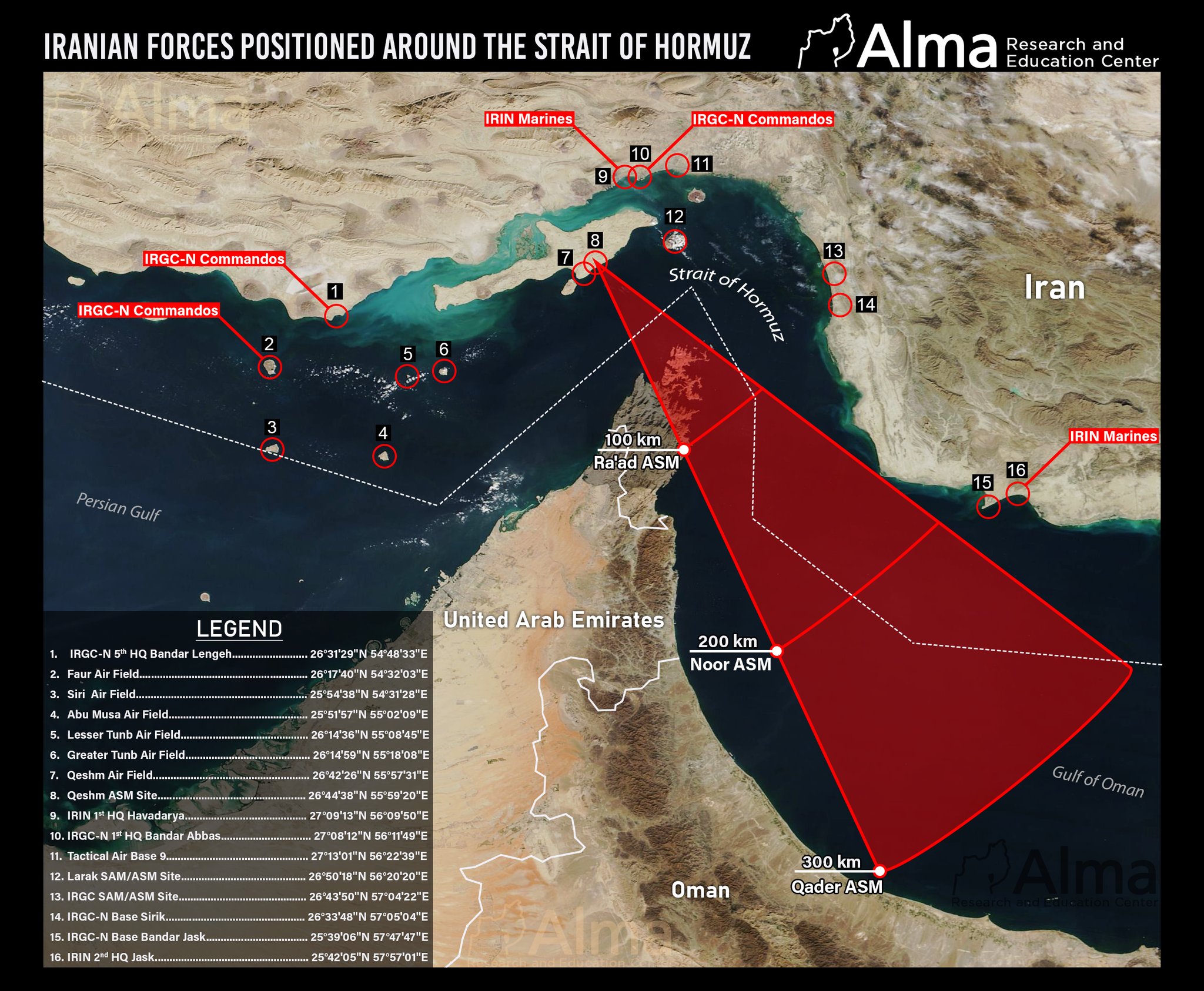
Although the shipping lanes are only about two miles wide, actually physically closing them would be difficult to achieve. The most decisive action Tehran could take would be to mine the shipping lanes. With the large US naval presence in the area, this would be very difficult for Iran to achieve.
But a formal blockade is not necessary to stop traffic. When perceived threat levels rise, ships stay away. Big shipping companies such as Hapag Lloyd and CMA CGA have already suspended transit through the strait and advised their ships to proceed to shelter.


Iran Temporarily Closes Strait of Hormuz | SupplyChainBrain
Creator: PeterHermesFurian
Supply chain disruption
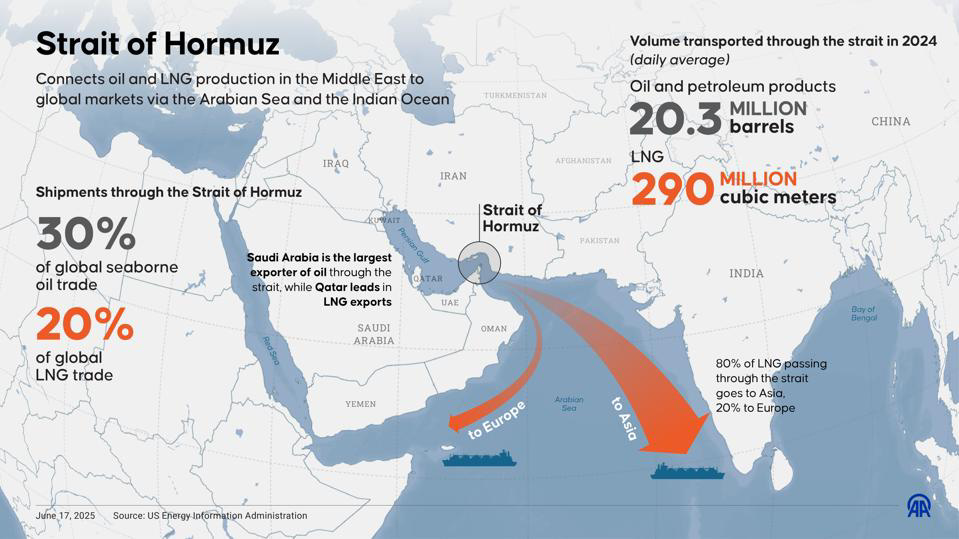
Hormuz is dominated by oil tankers and liquid natural gas carriers, so disruption directly hits global energy supplies. In addition, a lesser-known dependency is that one-third of the world’s fertiliser trade passes through the strait. Both energy and agricultural supply chains have already been destabilised by the Ukraine war. Further price rises could have far-reaching consequences.
The main destinations for oil and gas flowing through Hormuz are China, India, Japan, and South Korea. India, which imports about half of its crude oil through the strait, has activated contingency plans to safeguard energy supplies.
But apart from amassing strategic national stockpiles to weather immediate disruptions, there may be limited alternatives for countries dependent on getting their energy supplies through the strait. Saudi Arabia and the UAE have some pipelines for both oil and gas that can bypass the Hormuz. There is an estimated spare capacity of 2.6 million barrels per day for these pipelines. But that’s a fraction of what is normally shipped through the strait.
About the author
Sarah Schiffling is Deputy Director of the HUMLOG (Humanitarian Logistics and Supply Chain Management Research) Institute, Hanken School of Economics. This article is republished from The Conversation under a Creative Commons license. Read the original article.
Oil and gas are traded globally. So even countries whose energy needs are not met by imports from the Persian Gulf will be affected by price increases. Oil prices are expected to increase to up to US$100 (£74) per barrel when markets open on Monday. Opec has agreed to modestly boost oil output in a bid to stabilise markets. But the group of oil producing countries has limited options as key members are affected by the fallout of the attacks on Iran.
Energy price increases will hit consumers directly when filling up their cars or heating their homes. They also affect companies across a wide range of industries. This has the potential to cause further supply chain disruptions.
Supply chains rely on predictability. The persistent geopolitical uncertainty has complicated operations worldwide. Limited alternatives make the de facto closure of the Strait of Hormuz all the more impactful. The longer the disruption persists, the more significant and structural the economic damage will become.
Potential for escalation
There is still a potential for a catastrophic escalation in the Strait of Hormuz. The sinking of a tanker would have dramatic consequences for the environment and would likely halt navigation for an extended period of time.



No comments:
Post a Comment