2 Council members are absent (one, Kevin Thompson, on-the-phone); David Luna not present again.
If you haven't been reading a number of posts on this blog prior to Monday's meeting, separate from other important items on the agenda, the strategies of city officials to circle-the-wagons in response to questions over the handling of revenues and accounting standards are clearly in-view.

All too often city officials have been "eating their own dog food" expecting the public to swallow it without a smell test .
The issue of Affordable Utilities (and whether citizens have the authority to approve any increases in fees/use charges) championed by District 2 Council member Jeremy Whittaker to gather signatures on a petition ballot for the General Election - has been hijacked by actions of the Mesa City Council taken on Monday.
4 days ago - Mayor John Giles and Councilman Jeremy Whittaker, a potential ... City Charter initiative, dubbed Yes on Affordable Utilities, which Giles has ...
Feb 10, 2020 - City Councilman Jeremy Whittaker is leading a citizen initiative to change ... His “
"Proud to announce our website is complete and we have started a new initiative to modify the City of Mesa charter. It’s called “Yes on Affordable Utilities”.
This will push to preserve our utilities by making sure adequate investments are made into their financial sustainability.
More details can be found on the website,https://voteyesonaffordableutilities.com
utility rates in Mesa.


“Yes on Affordable Utilities” is a community-driven effort to reduce your City of Mesa utility rates, this includes your water, wastewater, sewer, trash, and electric.
Today for every $100 you spend on these Mesa utilities $32 is skimmed off the top to balance the budget and pay for unrelated expenses like a subsidized private airport, golf course, professional sports complexes, and ASU campuses. This has led to uncontrollable water costs and utility rates in Mesa.
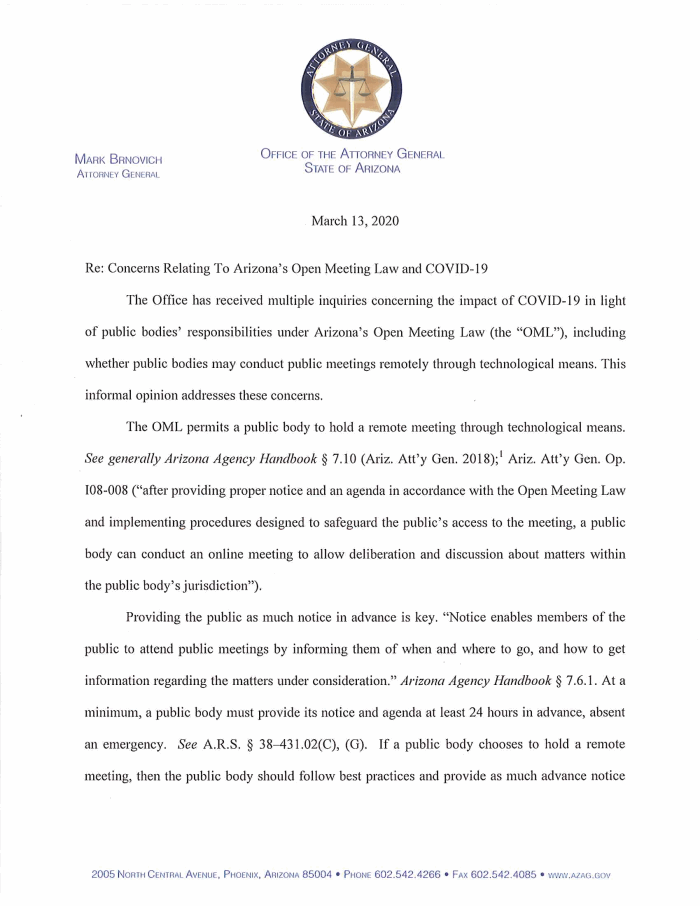
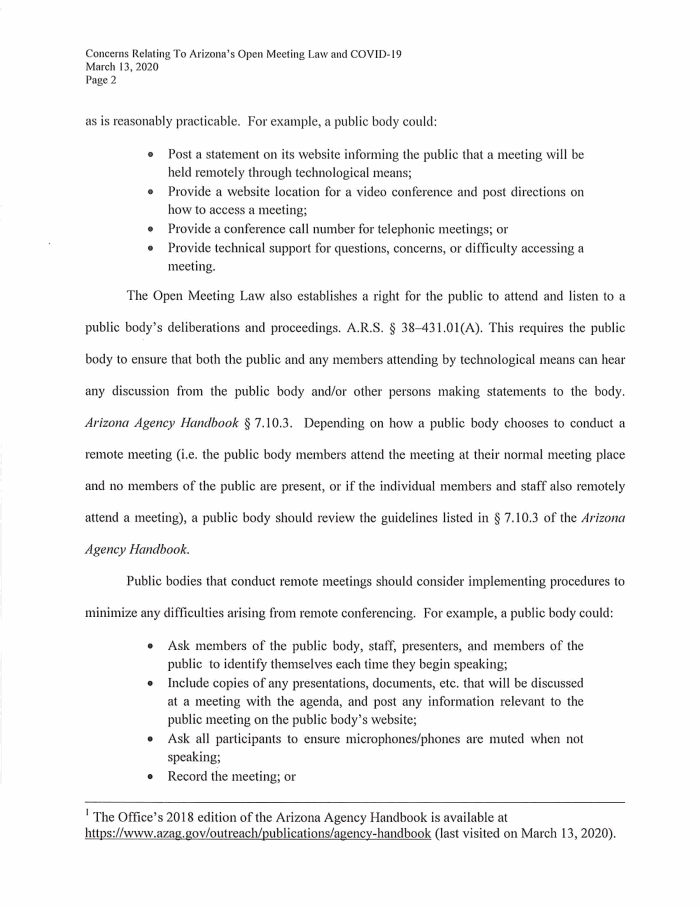
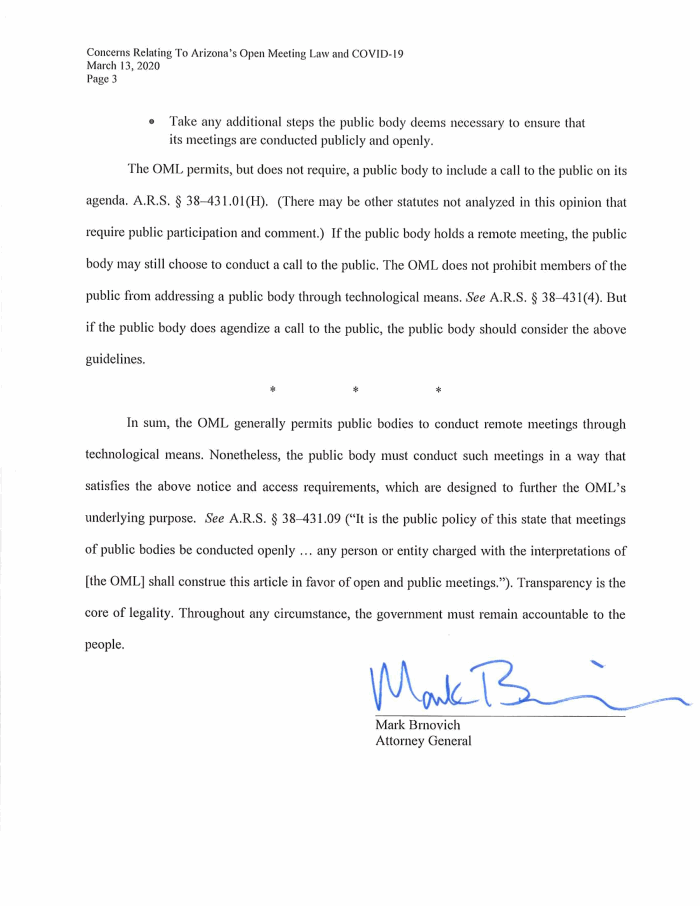
LINK to Council, Committee & Board Research Center tap here
Here's all the study sessions and regular meetings so far for the month of March 2020
Here's all the study sessions and regular meetings so far for the month of March 2020
| City Council | 3/16/2020 |  | 5:45 PM | Council Chambers - Upper Level | Meeting details |  Agenda Agenda | Not available | Not available |
| City Council Study Session | 3/12/2020 | | 7:30 AM | Council Chambers - Lower Level | Meeting details | Agenda | Not available |  Video Video |
| City Council Study Session | 3/5/2020 | | 7:30 AM | Council Chambers - Lower Level | Meeting details | Agenda | Not available | Video |
| City Council | 3/2/2020 | | 5:45 PM | Council Chambers - Upper Level | Meeting details | Agenda | Not available | Video |
| City Council Study Session | 3/2/2020 | | 5:15 PM | Council Chambers - Lower Level | Meeting details | Agenda | Not available | Video |
- City Council Study Session
03/19/2020 7:30 AM - 9:00 AM
- Community and Cultural Development Committee Meeting
03/19/2020 8:00 AM - 9:00 AM
- City Council Study Session
03/26/2020 7:30 AM - 9:00 AM
- City Council Study Session
04/02/2020 7:30 AM - 9:00 AM
- City Council Meeting
04/06/2020 5:45 PM - 7:00 PM
- City Council Study Session
04/09/2020 7:30 AM - 9:00 AM
- City Council Study Session
04/16/2020 7:30 AM - 9:00 AM
- City Council Meeting
04/20/2020 5:45 PM - 7:00 PM
- City Council Study Session
04/23/2020 7:30 AM - 9:00 AM
- City Council Study Session
04/30/2020 7:30 AM - 9:00 AM
- City Council Meeting
05/04/2020 5:45 PM - 7:00 PM
- City Council Study Session
05/07/2020 7:30 AM - 9:00 AM
- City Council Study Session
05/14/2020 7:30 AM - 9:00 AM
- City Council Meeting
05/18/2020 5:45 PM - 7:00 PM
- City Council Study Session
05/21/2020 7:30 AM - 9:00 AM
- City Council Study Session
05/28/2020 7:30 AM - 9:00 AM
- City Council Meeting
06/01/2020 5:45 PM - 7:00 PM
- City Council Study Session
06/04/2020 7:30 AM - 9:00 AM
- City Council Study Session
06/11/2020 7:30 AM - 9:00 AM
- City Council Meeting
06/15/2020 5:45 PM - 7:00 PM
_________________________________________________________________
- City Council Study Session03/19/2020 7:30 AM - 9:00 AM
- Community and Cultural Development Committee Meeting03/19/2020 8:00 AM - 9:00 AM
- City Council Study Session03/26/2020 7:30 AM - 9:00 AM
- City Council Study Session04/02/2020 7:30 AM - 9:00 AM
- City Council Meeting04/06/2020 5:45 PM - 7:00 PM
- City Council Study Session04/09/2020 7:30 AM - 9:00 AM
- City Council Study Session04/16/2020 7:30 AM - 9:00 AM
- City Council Meeting04/20/2020 5:45 PM - 7:00 PM
- City Council Study Session04/23/2020 7:30 AM - 9:00 AM
- City Council Study Session04/30/2020 7:30 AM - 9:00 AM
- City Council Meeting05/04/2020 5:45 PM - 7:00 PM
- City Council Study Session05/07/2020 7:30 AM - 9:00 AM
- City Council Study Session05/14/2020 7:30 AM - 9:00 AM
- City Council Meeting05/18/2020 5:45 PM - 7:00 PM
- City Council Study Session05/21/2020 7:30 AM - 9:00 AM
- City Council Study Session05/28/2020 7:30 AM - 9:00 AM
- City Council Meeting06/01/2020 5:45 PM - 7:00 PM
- City Council Study Session06/04/2020 7:30 AM - 9:00 AM
- City Council Study Session06/11/2020 7:30 AM - 9:00 AM
- City Council Meeting06/15/2020 5:45 PM - 7:00 PM
_________________________________________________________________
_________________________________________________________________
3
City Council approves ordinance formalizing affordable utility programs and changes to use of utility revenues
March 17, 2020 at 9:59 am
LINK > http://www.mesanow.org/news
The requirements set in the new ordinance take effect July 1, 2020 to coincide with the beginning of the 2020/2021 fiscal year.
Public Information and Communications
Contact: Steve WrightTel. 480-644-2069
steven.wright@mesaaz.gov