
- Pair of nine-figure bails shows how wealthy stay out of prison
- Pretrial releases show justice system disparity, experts say
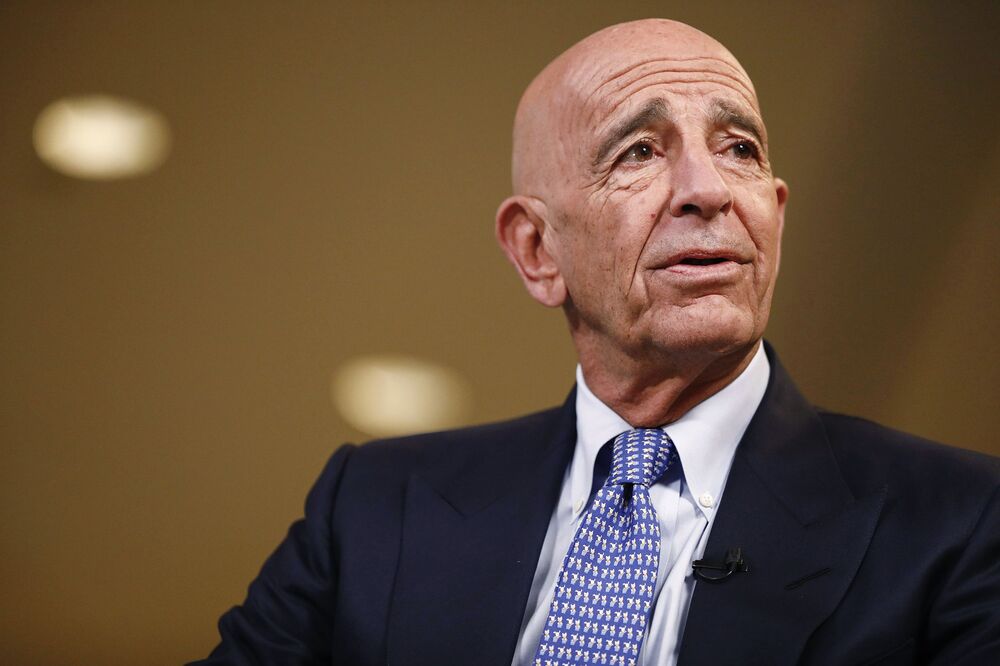
Tom Barrack
Photographer: Patrick T. Fallon/BloombergBACKGROUND High Pollution Advisory (HPA) Notifies the public that the level of an air pollutant is forecast to exceed the federal health standard.
EVERY DAY THIS WEEK The Phoenix area could see temperatures near 111 degrees today and tomorrow. As a result, the National Weather Service has issued an Excessive Heat Warning from 10 am today to 8 pm tomorrow (Wednesday). . .As for air quality, several ozone monitors exceeded the Federal Health Standard yesterday (Tuesday). With similar conditions expected tomorrow weather-wise, we are extending our Ozone High Pollution Advisory (HPA) to Wednesday. An Ozone High Pollution Watch (HPW) is still in place for the latter half of the week
____________________________________________________________________________

|
|
What is it about these two CEOs and Utah properties? 
Somebody else needs to dig deeper into all this WEALTH
Tom Barrack
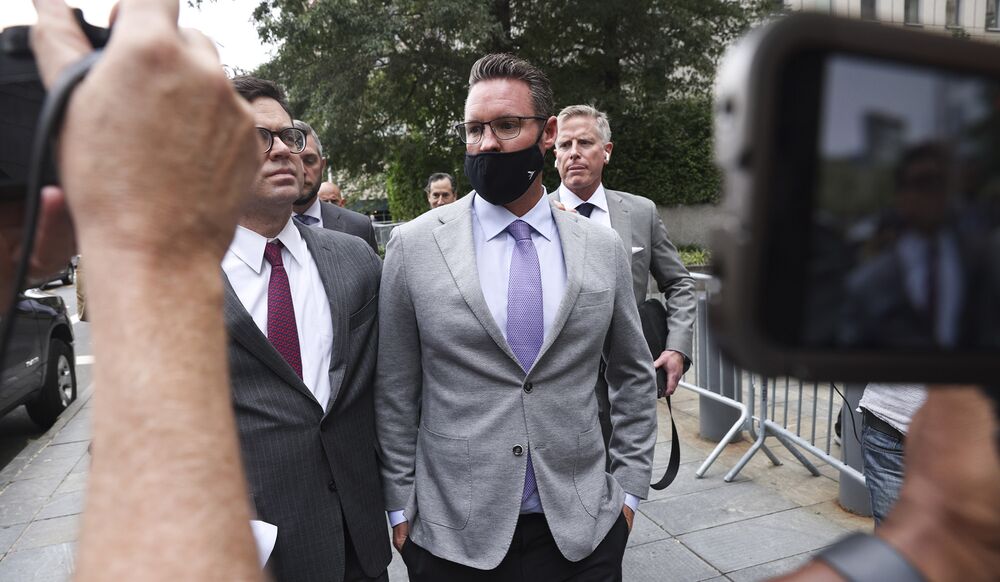
Photographer: Patrick T. Fallon/BloombergIn less than a week, Trump ally Tom Barrack was freed for $250 million and Nikola Corp. founder Trevor Milton was released for $100 million -- two of the highest U.S. bail amounts in recent years.
The bail amounts highlight a little understood part of the criminal justice system, where deals are often made behind closed doors, and what critics say is a system that traps the poor. . .

YESTERDAY THERE WAS THIS
Zoom has agreed to pay $85 million to settle claims that it lied about offering end-to-end encryption and gave user data to Facebook and Google without the consent of users. The settlement between Zoom and the filers of a class-action lawsuit also covers security problems that led to rampant "Zoombombings."

The proposed settlement would generally give Zoom users $15 or $25 each and was filed Saturday at US District Court for the Northern District of California. It came nine months after Zoom agreed to security improvements and a "prohibition on privacy and security misrepresentations" in a settlement with the Federal Trade Commission, but the FTC settlement didn't include compensation for users.
As we wrote in November, the FTC said that Zoom claimed it offers end-to-end encryption in its June 2016 and July 2017 HIPAA compliance guides, in a January 2019 white paper, in an April 2017 blog post, and in direct responses to inquiries from customers and potential customers. In reality, "Zoom did not provide end-to-end encryption for any Zoom Meeting that was conducted outside of Zoom's 'Connecter' product (which are hosted on a customer's own servers), because Zoom's servers—including some located in China—maintain the cryptographic keys that would allow Zoom to access the content of its customers' Zoom Meetings," the FTC said. In real end-to-end encryption, only the users themselves have access to the keys needed to decrypt content. . .
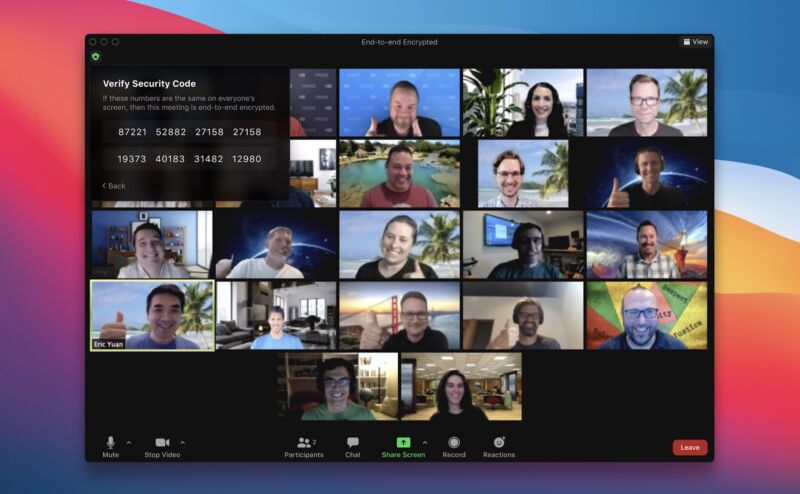
Technical preview of Zoom's end-to-end encryption, made available months after Zoom was caught lying to users about how it encrypts video calls. . .

With the pandemic boosting its videoconferencing business, Zoom more than quadrupled its annual revenue from $622.7 million to $2.7 billion in the 12 months ending January 31, 2021. Zoom also reported $672 million in net income for the 12-month period, up from $25.3 million the previous year. Zoom is on pace for even better results this year, having reported Q1 (February-April) revenue of $956.2 million and net income of $227.5 million.
> Zoom's failure to provide end-to-end encryption was reported by The Intercept in March 2020. Zoom's response to that article "made it clear that Zoom both knew that it did not use the industry-accepted definition of E2E encryption and had made a conscious decision to use the term 'end-to-end' anyway," the lawsuit said. . .
The settlement "requires Zoom to not reintegrate the Facebook SDK for iOS into Zoom meetings for a year" and to ask Facebook to "delete any US user data obtained from the SDK."
The security and transparency changes Zoom agreed to also include the following:
- Develop and maintain, for at least three years, documented protocols and procedures for admitting third-party applications for dissemination to users through Zoom's "Marketplace."
- Develop and maintain a user-support ticket system for internal tracking of, and communication with users about reports of meeting disruptions.
- Develop and maintain a documented process for communication with law enforcement about meeting disruptions involving illegal content, including dedicated personnel to report serial meeting disrupters to law enforcement.
- Develop and maintain security features such as waiting rooms for attendees, the suspend meeting activities button, and blocking of users from specific countries for a minimum of three years.
Zoom would be required "to better educate users about the security features available to protect meeting security and privacy, through dedicated space on the Zoom website and banner-type notifications." Zoom's website will also have to include "centralized information and links for parents whose children are using school-provisioned K-12 accounts."

After the settlement was announced, Zoom gave media outlets a statement that did not admit any wrongdoing. "The privacy and security of our users are top priorities for Zoom, and we take seriously the trust our users place in us," Zoom said. "We are proud of the advancements we have made to our platform, and look forward to continuing to innovate with privacy and security at the forefront."
Cartoon The manliest men by Tom Tomorrow follow Follow "Tom Tomorrow" to receive notifications about new pages on "Tom Tomo...


