Wednesday, January 19, 2022
ARIZONA VALLEY FEVER: Dung Respiratory Fungus Ecology in The Dry Desert
| ||||||
|


==============================================================
[...] The disease is caused by fungi in the genus Coccidioides that are found in soil and dust, and can easily become airborne and inhaled by people. In 2019, 39 Arizonans died from Valley fever, and in 2021 more than 11,000 people in the state were diagnosed with the illness. In recent years, Arizona has had the highest rate of Valley fever infections in the nation, my reporting showed.
My recent reporting also explored how scientific research—old and new—indicates that the most serious form of the disease, known as disseminated Valley fever, tends to manifest disproportionately in people of color, meaning there are indicators that genetics could play a part in severity of disease symptoms for specific groups of people.
Recently, a vaccine for the disease was shown to be effective in dogs. This new research paves the way for the development of a human version of the vaccine. But according to Dr. John Galgiani, the director of the University of Arizona Valley Fever Center for Excellence, getting to the “finish line” of a human vaccine could take another $200 million.
The legislation now making its way through Congress would provide $20 million each year for five years for epidemiological and clinical research on fungal diseases. The funding, which would pass through the National Institutes of Health, would include research on both treatments and vaccines for Valley fever. Additional funding would also be used to support activities such as a fungal disease working group composed of federal members, doctors, scientists and patients.
I will continue to follow any developments with this legislation as it makes its way through Congress. As always, I welcome your tips and feedback on this topic or any other health issue in Arizona that has caught your attention at shaena.montanari@azcir.org.
Thanks for following my work,
Shaena Montanari
Investigative Reporter — Health
Arizona Center for Investigative Reporting

Tuesday, January 18, 2022
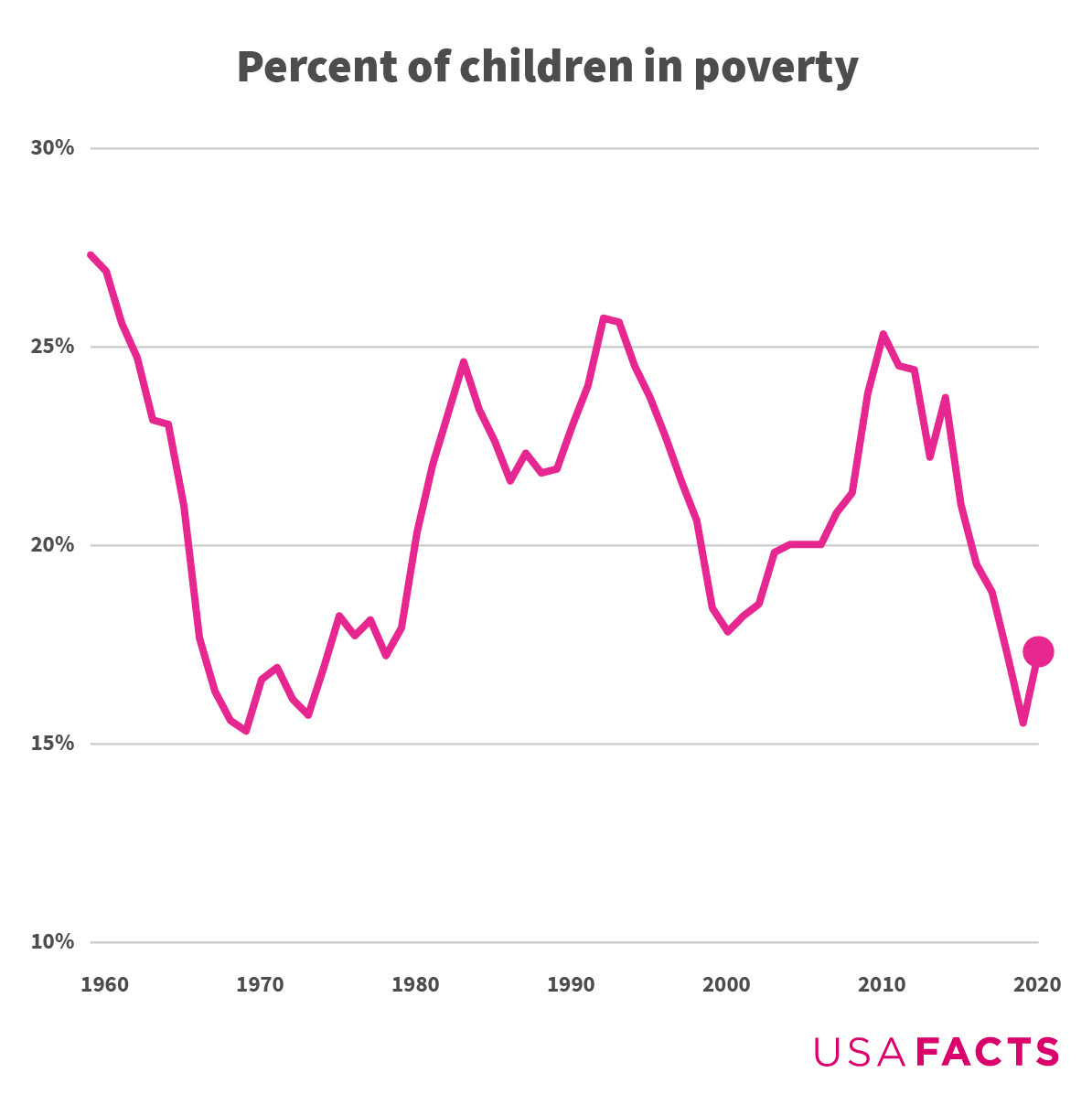
EASY-TO-FIND: USA Facts (The 10-Year Challenge + Omicron in 4 charts)
| |||||||||||||||||
|


|
|

|
Wait Wait...So Who's Really Making All Those Annoying Robo-Calls?
So they just don't stop
Why U.S. Robocall Hell Seemingly Never Ends
from the your-car-warranty-has-expired dept
"According to the YouMail Robocall Index, there were 3.6 billion U.S. robocalls placed last December, or 115 million robocalls placed every single day. That's 4.8 million calls placed every hour. Despite the periodic grumble, it's wholly bizarre that we've just come to accept the fact that essential communications platforms have been hijacked by conmen, salesmen, and debt collectors, and we're somehow incapable of doing anything about it.
it’s wild we’ve come to accept as a fact of life that neither the government nor the multibillion dollar telecoms it’s apparently beholden to can do anything at all to stop our super high-tech communications networks from being totally overrun by scams everyday, nonstop.
— Dell Cameron (@dellcam) January 11, 2022
Every 6-12 months or so the federal government comes out with a "new plan to finally tackle robocalls," yet the efforts only frequently make a small dent in the problem. One reason why is that each time the federal government unveils a new plan, it focuses exclusively on scammers. Said plan (and therefore the entire press coverage of said plan) discusses robocalls as if it's only something velour track suit clad dudes in Florida strip malls are engaging in.
Folks like Margot Saunders of the National Consumer Law Center (NCLC) has testified before Congress for years about how the biggest robocallers are often legitimate companies, usually selling you services you don't want, or harassing people they know can't pay overdue bills with sometimes hundreds of calls per day. The group notes that as of last month, scammers continued to make up the minority of overall robocalls:

The issue has long been that the marketing and financial industries doesn't want any of this to change, and their influence on Congress, regulators, and policymakers generally means that solutions carve out large loopholes in rules that weaken their effectiveness. And their influence on the courts has consistently eroded what agencies like the FCC can do about much of it. Last April, a Supreme Court ruling (Facebook, Inc. v. Duguid) effectively nullified the Telephone Consumer Protection Act's ban on autodialed calls and texts to cell phones without your consent.
So folks like Saunders keep pointing out while we have a patchwork array of rules that sometimes limit pre-recorded robocalls, the rules governing annoying spam texts or live robocalls are negligible at best:
"A lot of the live calls that are survey calls and debt collection calls to cell phones that are so annoying to people are made with automated dialers,” Saunders said. “There is at the moment no way of controlling those calls unless the called party individually blocks the caller." [...]
China's LandSpace lands rocket booster, rivaling SpaceX, Blue Origin
Aug 19, 2026 China successfully achieved its first-ever land-based recovery of a commercial first-stage booster after it launched the Zhuq...
-
 Flash News: Ukraine Intercepts Russian Kh-59 Cruise Missile Using US VAMPIRE Air Defense System Mounted on Boat. Ukrainian forces have made ...
 -
A nor’easter is about to hit the Northeast in May. That’s very unusual.

