Chancellor Friedrich Merz’s flagship migration policy has suffered a major legal blow as a Berlin court ruled his government cannot turn away asylum-seekers at the border.
The case, triggered by the expulsion of three Somali migrants, exposes a deep conflict between Merz’s tough-on-immigration rhetoric and European law.
Despite declining asylum numbers, Merz's government continues to weaponize migration amid pressure from the far-right AfD.
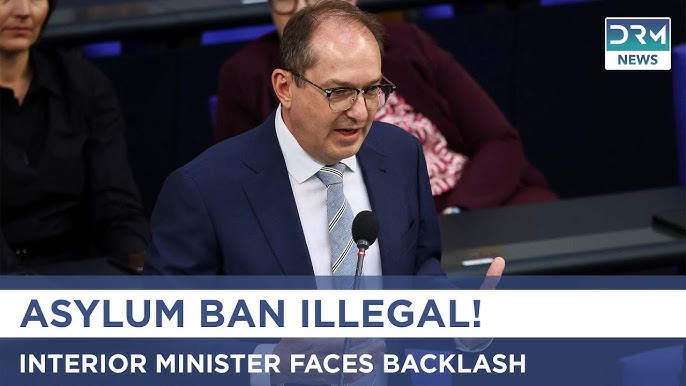
As Interior Minister Alexander Dobrindt vows to ignore the court's decision, Germany now faces legal, political, and diplomatic fallout.
Alexander Dobrindt is a German politician of the Christian
Social Union in Bavaria, serving as the Federal Minister of the
Interior. He is the chairman of the CSU Parliamentary Group in the
German Bundestag since 2017.
To
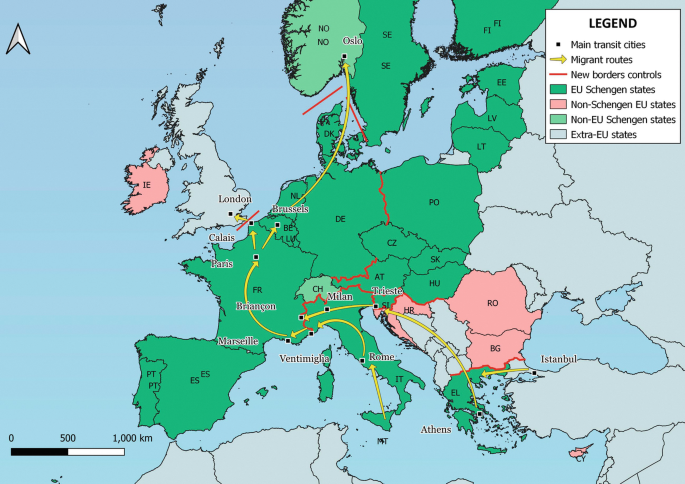
help you find a map of German border crossings, please specify which
borders you are interested in. Germany shares borders with several
countries in the Schengen area and currently has reintroduced border
controls at all land borders, including those with:
Austria
Switzerland
Poland
Czech Republic
France
It's important to note:
Schengen Area:
While Germany is part of the Schengen Area, allowing for free movement
within the zone, the country has reintroduced border controls due to
current migration issues.
Asylum Seekers:
German courts have ruled that rejecting asylum seekers at the border
without processing their claims is unlawful under the Dublin Regulation.
However, the government has stated it will continue the practice,
arguing it is legally justified.