Saturday, February 27, 2021
TRANSCRIPT of Press Briefing Friday February 26, 2021 From The White White House
Due to space and time limitations, the entire transcript is not reproduced here just to get you started... there is another post today of a 36-minute video of the Zoom session.
Press Briefing by White House COVID-19 Response Team and Public Health Officials
Via Teleconference
11:04 A.M. EST
ACTING ADMINISTRATOR SLAVITT: Thank you for joining us for our White House COVID Response briefing. I have a few important updates for you this morning, and then I will turn to Doctors Fauci and Walensky.
First, on our efforts to mobilize the country to defeat COVID-19, and second, on our progress in supporting 100 community vaccination centers nationwide to vaccinate more people, more quickly, and more equitably.
Before I get there, let me begin by taking stock of where we are. Even as we have crossed the grimmest of milestones — the loss of over 500,000 American lives — we are pulling together as a country. In the time since the President has taken office, we’ve now doubled the pace of vaccinations and are rapidly on our way to vaccinating many of the people most at risk of dying or being hospitalized from COVID-19, with nearly one in five adults and nearly half of Americans over 65 having received their first shot.
What is important and what I want to cover today is that any progress is a result of the hard work of many — people and entities working together for the greater good: vaccine manufacturers, Pfizer and Moderna; distribution partners at McKesson, FedEx, and UPS; governors, mayors, county officials, and their health departments; the thousands of providers, pharmacies, and members of the military; FEMA; and other states and federal employees that had been part of this vaccination effort. And, of course, all the people of science in the NIH, NIAID, the CDC, BARDA, and FDA.
This is all one effort. There is so much more to do, but one thing that has become clear is that while none of us on our own could defeat COVID-19, all of us working together can. And today I want to highlight what people across America can contribute to this cause at this critical time.
From day one, President Biden has been pulling the country together to unify against the virus. This begins with Congress. We cannot defeat this virus as rapidly as we need to without action from Congress.
Today, the House will start the vote process on the American Rescue Plan. This legislation will enable Americans across the country to defeat COVID-19 and get back to normal life more quickly. The bill is critical to allowing us to do some things that we all need to do to defeat this virus: needed funding to make schools safer to open; the ability to stay ahead of the virus as it mutates by funding greater sequencing; testing and tracing to contain outbreaks and stay ahead of new variants; addressing supply shortages; investing in high-quality treatments for people with COVID-19; providing paid sick leave and other support to contain the spread of the virus; and providing relief to the communities hardest hit by the disease.
We urge the Senate to quickly follow and pass this legislation. Just as Congress is taking action, so too are the nation’s private and civil sectors and the small and large companies that are at the heart of our economy and provide jobs to so many.
One of the benefits of being and providing honest and clear communication with the public about the challenges we face are all of the people who raise their hands and offer to help.
Since the President’s first day on the job 37 days ago, he’s called us to come together and defeat this as a nation.
Since January 20th, we have been engaging in literally hundreds of conversations with hundreds of companies who are eager to help put an end to COVID-19, get people safely back to work, rehire workers, and grow the economy, as the President outlined in his national strategy to defeat COVID-19.
So today, the administration is announcing a new partnership with America’s leading business organizations to enlist the full force of the private sector to defeat COVID-19 with a call to action. The Biden administration is joining with the Chamber of Commerce; leaders of the black, Latino, and Asian business community; the National Association of Manufacturers; and the Business Roundtable to call on businesses, big and small, to promote three critical efforts across the country.
Our call asks three things of America’s businesses to increase the safety of employees, customers, and the community, and will help us put a more rapid end to this pandemic.
First, require masking and social distancing to protect workers, customers, and others on their premises.
Second, reduce barriers to vaccinations. Make a plan to get employees vaccinated and make it easier for employees to get vaccinated by providing incentives, like paid time off or compensation for employees to get vaccinated when it’s their turn.
Third, communicate with customers and educate the public about the benefits of masking and vaccinations. We are asking businesses to amplify CDC messages about masking and vaccinations on their products, properties, and websites.
Through these partner organizations, step-by-step resources to help businesses operate safely will be available. HHS and CDC are collaborating with them so they can take advantage of our research and approaches to talking about vaccines and vaccinations most effectively.
Together, we hope to reach hundreds of thousands of businesses, representing over 100 million people, to promote efforts to stop the spread of COVID-19.
This afternoon at 4:00 p.m., I will be hosting a call with thousands of business owners to lay out this call to action and ask for their help and participation.
But the work has already begun. Since we’ve arrived, we have had over 250 conversations with business leaders in sectors as diverse as technology, retail, social media, medical products, airlines, health insurance, hospitals, utilities, and we’re having more every day. Each of them has something valuable to add.
Ford and The Gap are producing and donating millions of masks. Professional sports leagues and the live events industry have offered their more than 100 stadiums and venues to local communities to be used as vaccination sites. Retailers like Best Buy, Target, and Dollar General all are giving more than a half a million workers paid time off or compensating employees who get vaccinated. Uber, PayPal, and Walgreens are teaming up to provide $10 million worth of free rides to vaccination sites. And Lyft is partnering with CVS and the YMCA to provide 60 million free or discounted rides to vaccination sites.
In both of these efforts, we are encouraging organizations to target the benefits to people who need them the most so communities hit hardest bounce back. CVS has also agreed to improved access and appointment times for people looking for vaccines and special efforts to reserve vaccine appointments. This is critical to health equity.
The utility company, Avangrid, has committed to include more — to include public health information in more than 3 million paper bills.
These are examples, but examples that others can replicate in addition to their own unique efforts.
Our call to action today will ask companies to make similar, unique commitments that bring their unique skills and resources to the problem of keeping Americans safe and ending the pandemic as quickly as possible while also following the lead of these other companies.
Over the coming weeks, the Biden administration will highlight more innovative ways, and America’s private sector is rising to the challenge as we put this crisis to bed by working together. . .
Thanks to the incredible work of FEMA, the Department of Defense, and colleagues across the government, since January 20, the Biden-Harris administration has already supported the establishment or expansion of 441 community vaccination centers across 37 states, territories, and the District of Columbia.
Over the past month, we’ve provided 171 sites with federal personnel. We’ve deployed nearly 3,500 total personnel nationwide to support vaccination operations, including expert logisticians, vaccinators, greeters, clerks, and others in support roles. Personnel are assigned from agencies across the federal government, including FEMA, CDC, DOD, National Guard, and the Forest Service, Department of Interior, Veterans Affairs Department, and the Army Corps of Engineers.
A hundred and seventy-seven sites have received federal funding, and the President — and at the President’s direction, FEMA is reimbursing 100 percent of costs for vaccination operations. This funding covers critical supplies, staffing, training, and transportation needs that support increased vaccination distribution and administration. . .
Sixty-two sites have received federal equipment, from folding chairs to containers to dry ice. The federal government has provided a range of equipment to meet state, tribal, territory, and local needs, and help establish and expand sites. This will get done in the details. Thank you to everyone involved in these efforts. . .
In closing, I want to come back to the important milestone of where we are this week, with over 50 million shots that have been administered since President Biden took office — 50 million shots in 37 days. That’s ahead of our target, even with the setbacks we faced during the recent winter storm, which devastated millions of people in the Midwest and in the South.
As the President has said, if we do the right things and we have the right plan, we will get things moving. We’ve doubled the pace of administering shots in six weeks. We’ve increased vaccine distribution to near — to nearly — to states by nearly 70 percent. And nearly 60 percent of people over 75 now have received at least one shot; that was 14 percent six weeks ago. Close to 50 percent of people over 65 have at least one shot now; that was 8 percent six weeks ago.
I want to repeat that: 8 percent of people over 65 and now 50 per- — six weeks ago had received their first shot. Now that’s close to 50 percent. That’s important because people over 65 accounted for 80 percent of COVID-19 deaths, and 75 percent of people who live in long-term care facilities have gotten their first dose, and those cases are at the lowest level since reporting began in May.
So, yes, we are making progress, but we are not there yet, and there’s lots of hard work to do. But I want to thank everybody — everybody across the country that’s been involved in helping us make this progress.
And with that, I will turn it over to Dr. Walensky.
DR. WALENSKY: Thank you so much, Andy. I’m glad to be back with you today. Let’s get started on an overview of the pandemic. . .
REMOTE Zoom > City of Mesa Planning & Zoning Board Meeting Wed 02.24.2021


WHOA! Just in the knick of time for what is Item *5-a on the next day's Agenda for the early morning Mesa City Council Study Session staged in The Lower Chambers at 07:30 a.m. when practically no one except City Manager Chris knew about what the all-vanilla Board did. . .
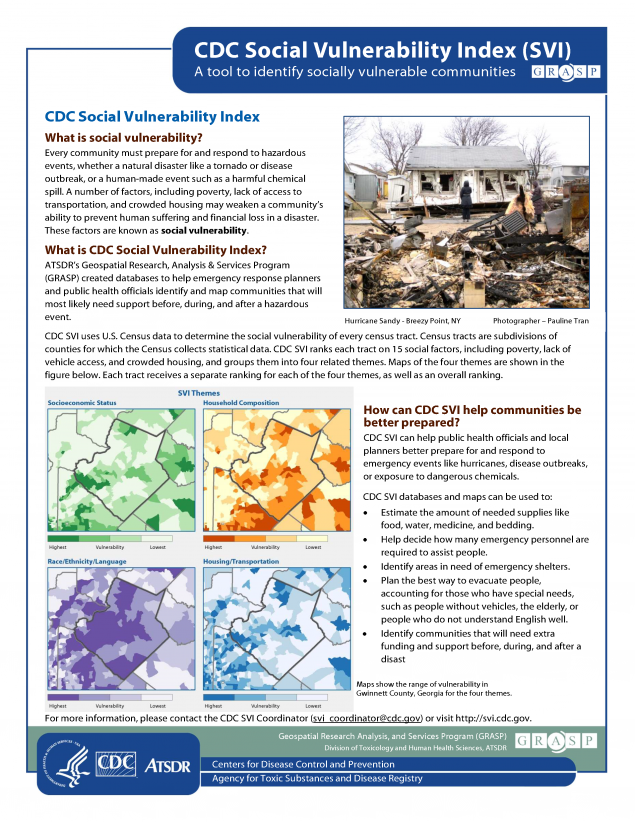
C-19 Social Vulnerability Index SVI
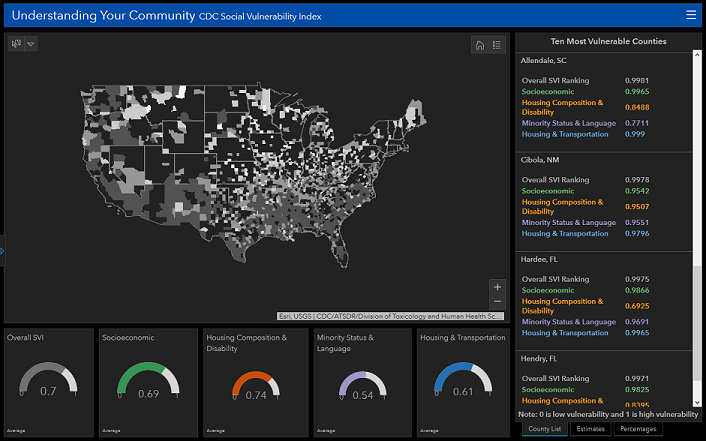



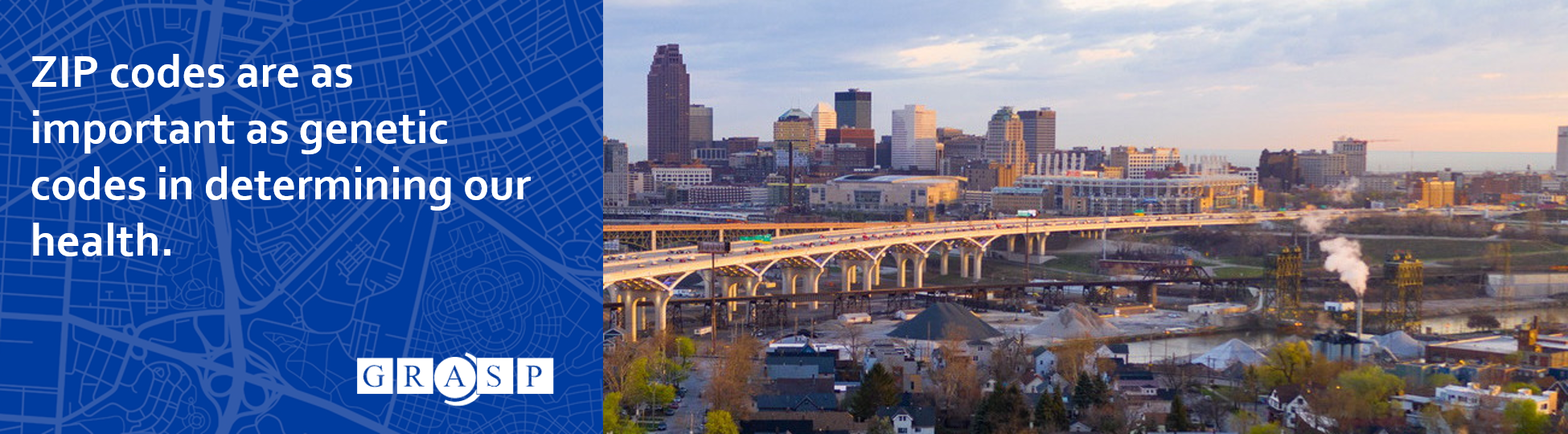

The places of our lives – our homes, workplaces, schools, parks, and houses of worship – affect the quality of our health and influence our experience with disease and well-being. Geospatial science, geographic information systems (GIS), and cartographic visualization provide important concepts, methods, and tools equipping public health scientists to examine, characterize, and analyze the important relationship between our health and the places of our lives.
As part of its work, GRASP has proposed and is shaping a framework, the Geospatial Determinants of Health (GDOH), that articulates the many and varied geospatial drivers that influence disease prevalence and promote health. The GDOH are at work in multiple environments where we experience health, including the natural environment, built environment, population connectivity environment, social and behavioral environment, and health policy environment. The emerging purpose of the GDOH is to (1) define the geospatial drivers of health with an emphasis on factors that vary by place, (2) serve as a catalyst to define, promote, and advance the use of place in research and practice across the public health community, (3) shape the public health curriculum of schools across the United States to advance geospatial analysis, statistics, and technology in the study of public health.
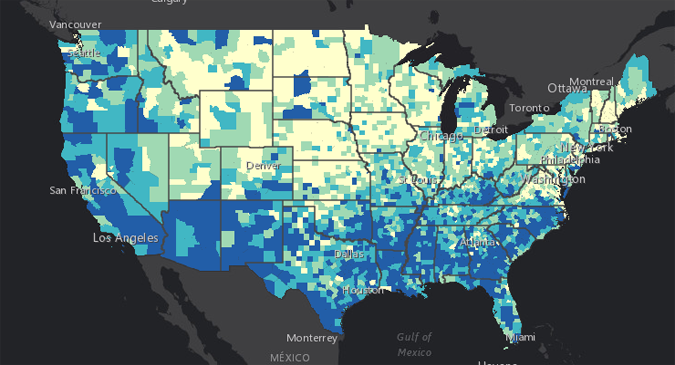
Natural Environment
The natural environment is the setting where we live, and it includes the air, land, water, plants and animals around us. Environmental contamination, catastrophes, and naturally-occurring compounds have been linked to disease, injury, and complications of chronic conditions.
Built Environment
The built environment is the human-made or modified environment where we live. The built environment includes the buildings in which we work and learn, the parks in which we exercise, the roads and transportation systems we use to travel from place to place, as well as the water distribution systems, electrical grids, and mobile and broadband networks we use to access information and stay connected. Characteristics of the built environment may limit our access to healthcare, healthy food, clean water, and safe places for physical activity.
https://www.atsdr.cdc.gov/placeandhealth/howdoesPlaceaffectHealth.html
____________________________________________________________________________
MORE >
More
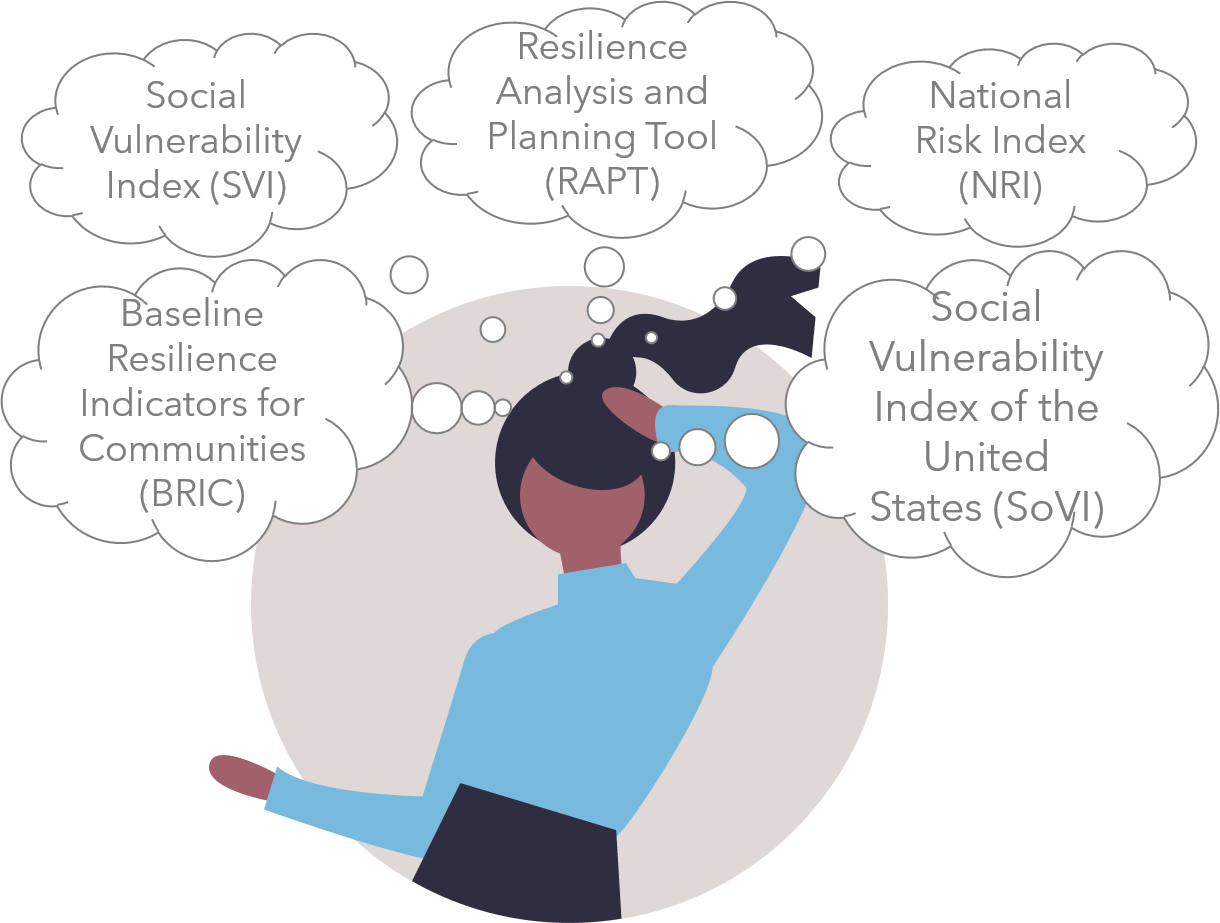
GUIDANCE ON RISK, RESILIENCE AND RELIABILITY
Friday, February 26, 2021
Food Critic for Phoenix New Times Regurgitates All The Top-Down Spoon-fed Dog-Food Propaganda From Mesa's Public Relations Media Machine
Downtown Mesa Is on the Cusp of a Second Golden Age

By Jesse A. Millard | AZBigMedia
For years, Arizona’s cities have been revitalizing their downtowns by bolstering the arts, installing public infrastructure like the light rail and enticing a plethora of unique, private development projects. It’s no question that Downtown Mesa has been on the receiving end of these efforts, as light rail and the Mesa Arts Center have transformed the area.
Now, Downtown Mesa is set to receive another transformation after Caliber, The Wealth Development Company purchased 100,000 square feet of property in the heart of downtown.
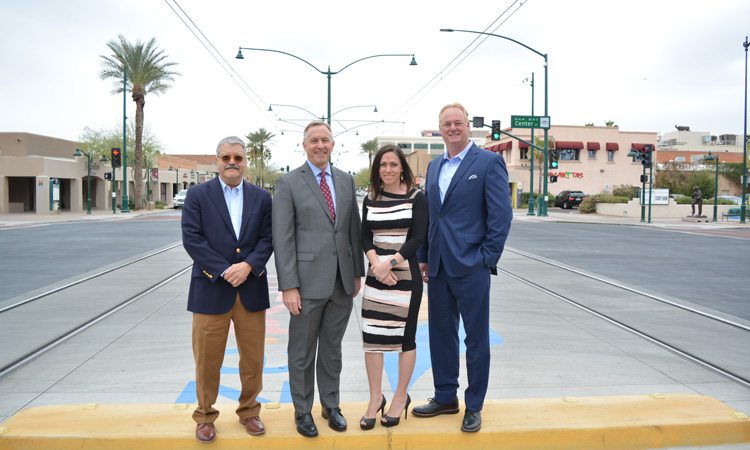
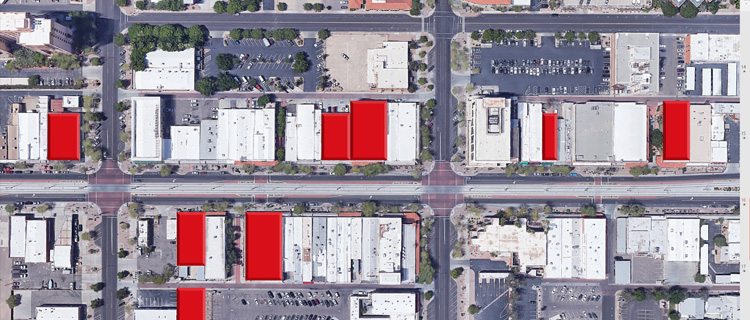
Caliber’s $7.625 million purchase consists of eight historic buildings along Main Street between Country Club Drive and Center Street. The buildings are just a short walk from the light rail . . .
An aerial view shows the buildings that Caliber, The Wealth Development Company purchased and will redevelop in Mesa. They are outlined in red.
...Mesa Mayor John Giles is excited to see Caliber’s plans for Downtown Mesa. Giles has played a role in much of the public investment into Downtown Mesa since he was a councilman in the late 1990s, paving the way for private investment like this. . . Giles says it’s great to see private investment from Caliber that will help further transform the Downtown Mesa area, making it more attractive for future employers and private investment.
Caliber’s developments could also bolster Mesa’s efforts of bringing ASU into Downtown Mesa as well, Giles says. He say economic developers have to make areas around universities attractive for students,...
One of the buildings was the old Coors distributor building, the first beer distributorship Coors set up outside of Colorado, Bade mentions.
Downtown Mesa could see these improvements and new tenants take shape over the next few months.
Bade says Caliber is currently working on getting six to eight tenants to move into the buildings, and then another three to six months would be needed for tenant improvements.
SCORE CARD FOR THAT ??? NOW, 2 YEARS LATER maybe 1 or 2

THE MANLIEST MEN: This Modern World | Monday, August 24, 2026 at 5:30 AM MST
Cartoon The manliest men by Tom Tomorrow follow Follow "Tom Tomorrow" to receive notifications about new pages on "Tom Tomo...

-
 Flash News: Ukraine Intercepts Russian Kh-59 Cruise Missile Using US VAMPIRE Air Defense System Mounted on Boat. Ukrainian forces have made ...
 -
A nor’easter is about to hit the Northeast in May. That’s very unusual.

