
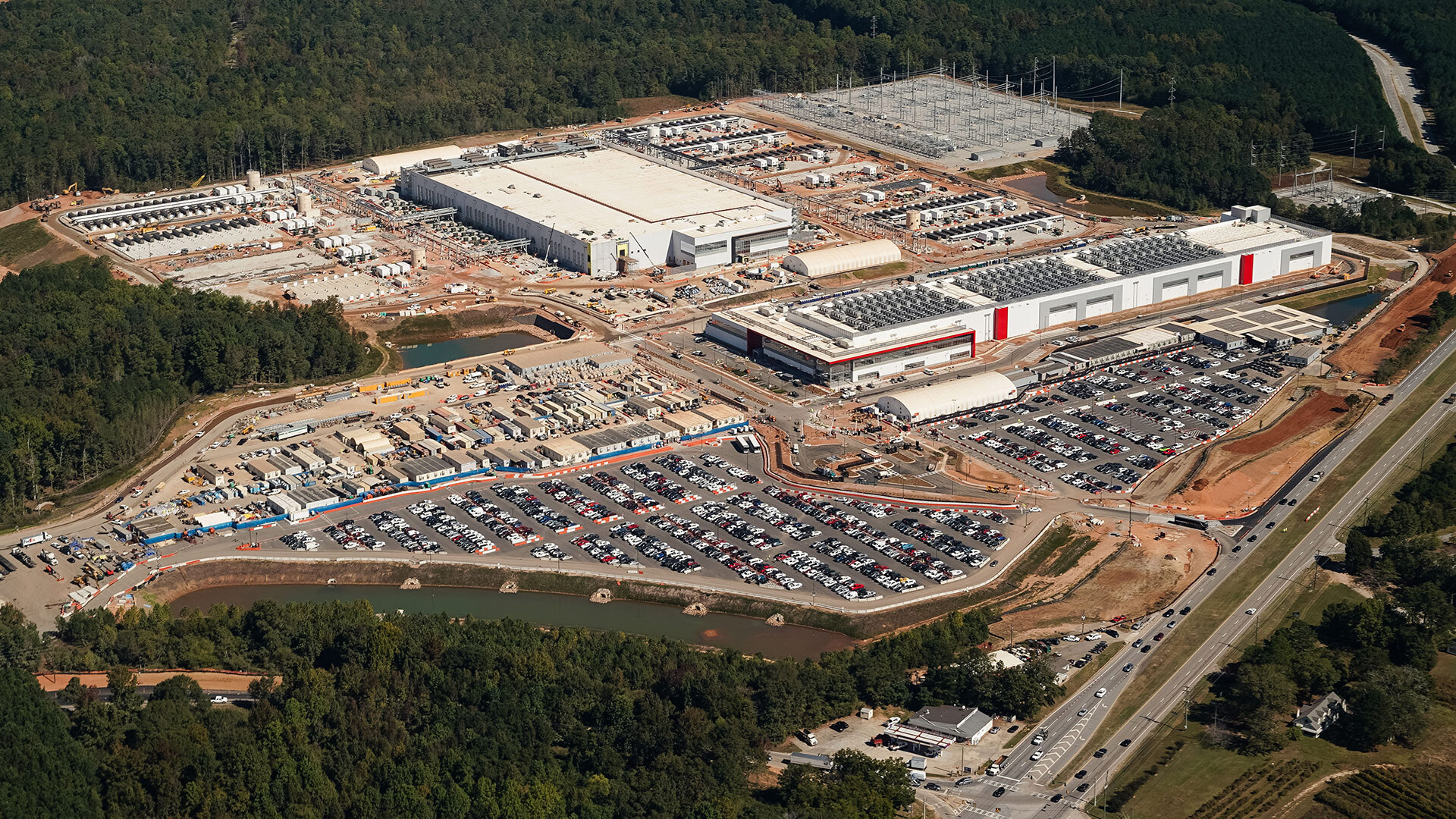
Fayette County, Georgia, was telling residents to stop watering their lawns to conserve water. The request came after homeowners in a nearby subdivision reported unusually low water pressure, but when the county investigated, it found the cause: a data center campus 20 miles south of Atlanta had been drawing roughly 29 million gallons through two water connections the county didn't know existed, Politico reported Saturday.
Quality Technology Services (QTS), the Blackstone-owned developer behind the 615-acre Fayetteville campus, owed $147,474 in retroactive charges for the unmetered consumption, but the county didn’t fine the company.
. . .QTS told Politico the 29 million gallons were consumed during temporary construction activities, including concrete work, dust control, and site preparation. The company markets a "closed-loop" cooling system for its data centers, which recirculates the same water rather than drawing from the municipal supply. Once operational, QTS said its facilities would only require water for domestic needs like bathrooms and kitchens.
- However, the discrepancy between QTS’s stated and actual water usage remained undetected for months, with Politico reporting that the county’s water system director, Vanessa Tigert, attributed the oversight to a procedural error during the county's transition to a cloud-based metering system.
- QTS and the county disagreed on how long the water went unmetered, withTigert estimating about four months and QTS saying 9 to 15 months.
> The incident came to light last week after a Fayette County resident obtained the utility's May 2025 letter to QTS through a public records request.
> Fayetteville had already moved to restrict data center growth before this, with the city council banning new data centers in every zoning district earlier this year, adopting Ordinance 26-0-12.
>A separate proposal from developer Crow Holdings was denied by the city's planning commission in January, and the company withdrew its appeal in March.
Georgia's Public Service Commission also froze Georgia Power's base rates through 2028, specifically to prevent data centers from shifting electricity costs to residential customers. The state is currently experiencing moderate to severe drought, and Gov. Brian Kemp declared a state of emergency last month over wildfires. Georgia hosts more than 200 data center facilities.
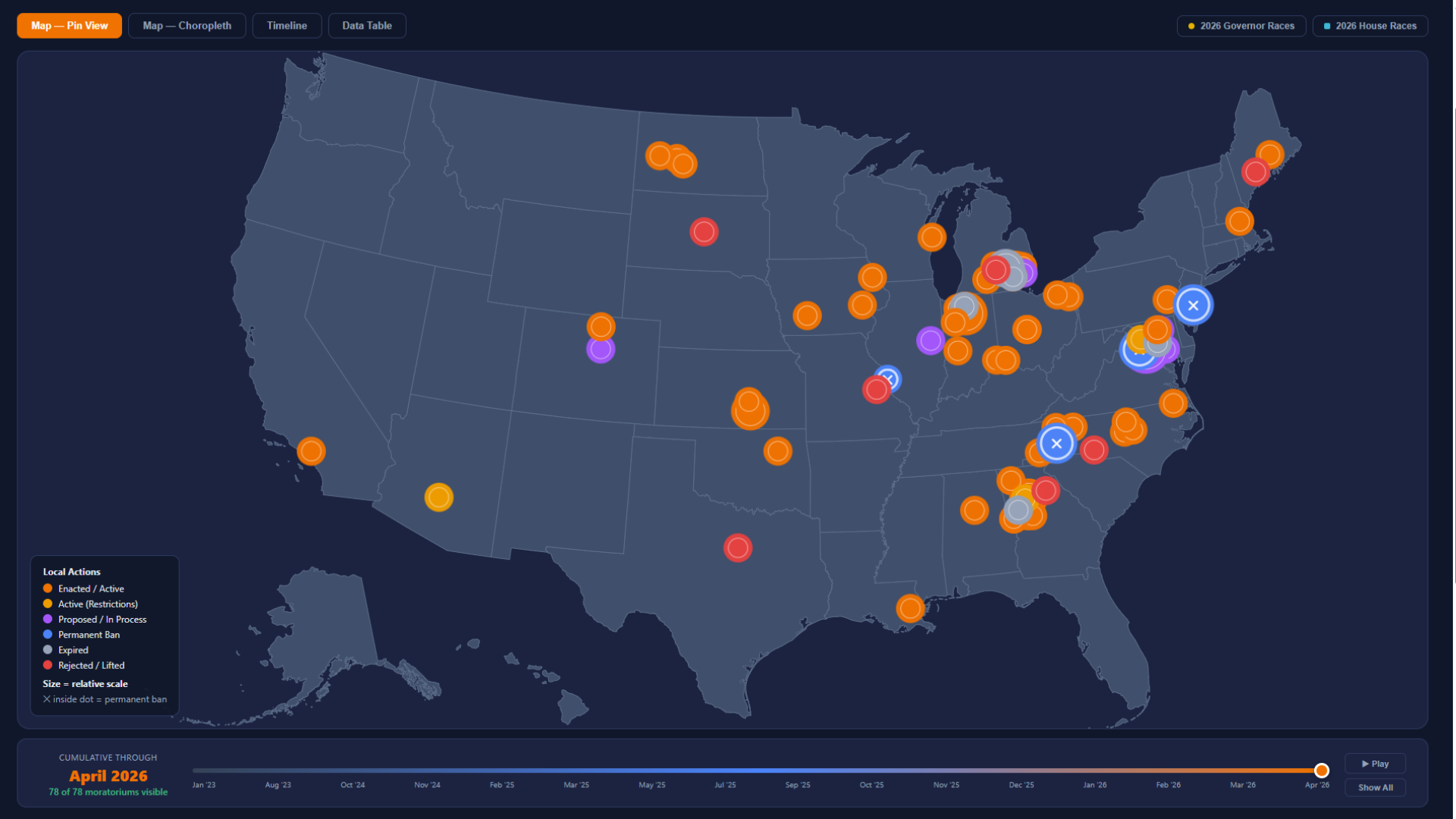
The QTS campus is projected to generate $150 million to $200 million annually in property tax revenue, according to the city. Fayetteville is one of at least 50 cities across the U.S. that currently have active bans on new data center construction, with four adopting permanent prohibitions, according to the U.S. Data Center Moratorium Tracker.

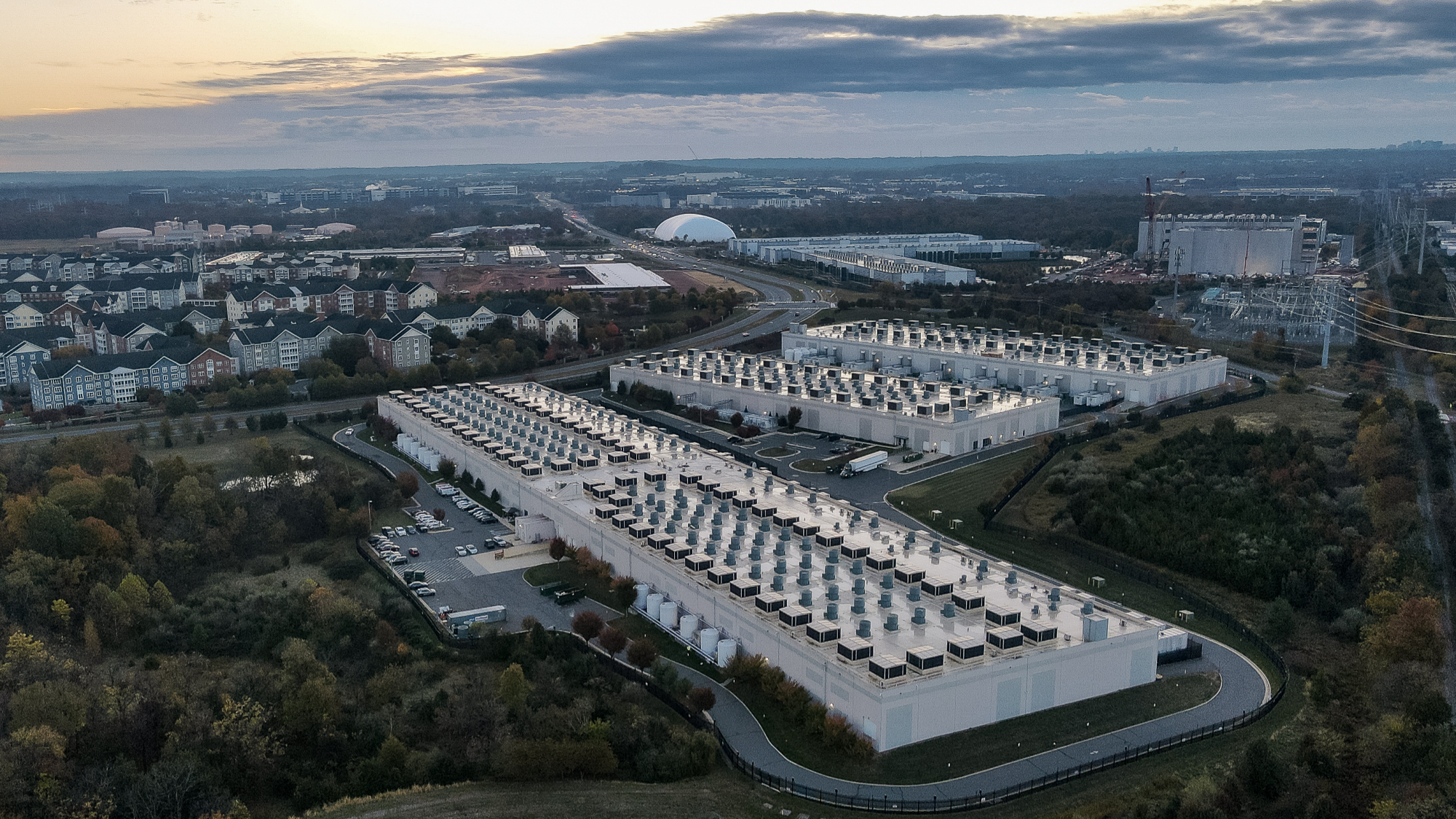
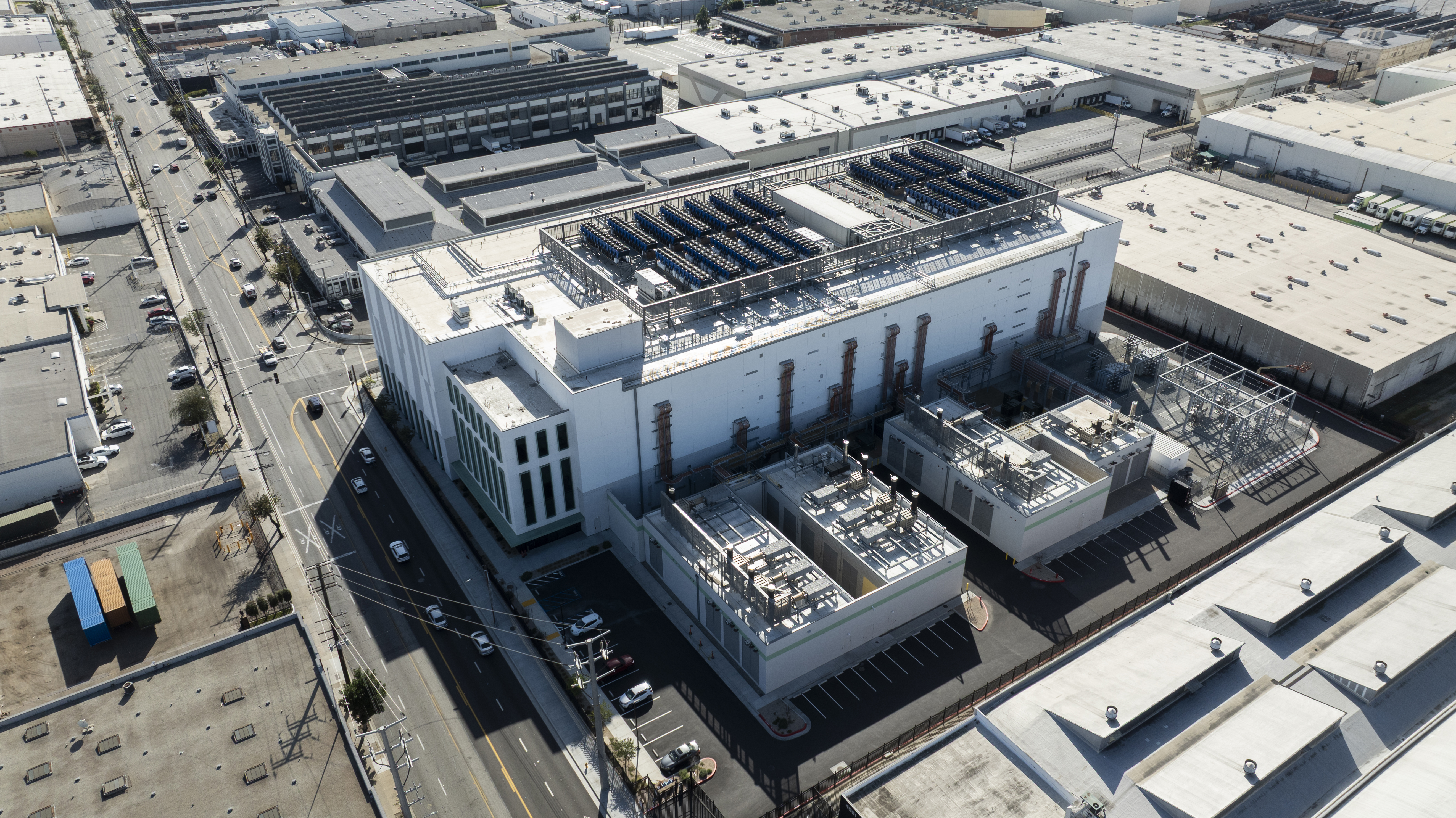
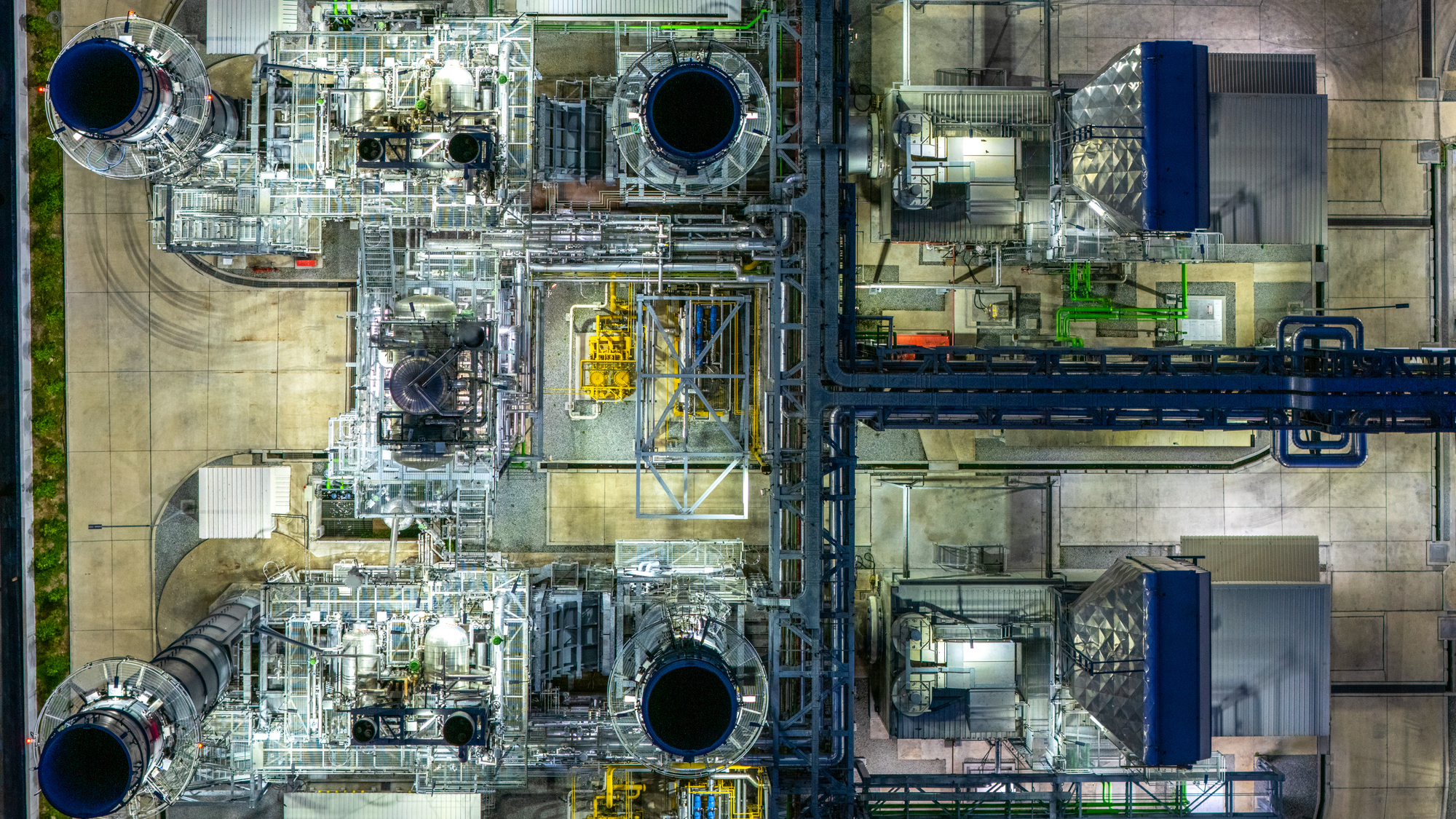

A single modern AI GPU is estimated to consume up to 3.7 MWh of power annually, and with each server rack containing multiple AI GPUs, that means that it consumes a lot of electricity just to keep it running. This also means they generate a lot of heat — so these systems must be cooled to operate efficiently. Cooling accounts for nearly 40% of data center power use, and it’s also another major source of noise pollution, especially if a site relies on air-cooling. Although a single fan might not make much noise, the scale at which they’re deployed is starting to have a noticeable impact on the sound level they generate.
The noise from industrial-grade backup generators compounds this. On-grid data centers require constant power levels to operate at 100%; that’s why most, if not all, of these projects have on-site diesel backup generators. If you have a small diesel generator at home, you know how much noise it makes just to deliver a small amount of electricity. Now, scale that up to data center levels, and you’re looking at multiple generators with massive outputs. The noise output from these machines can reach 105dB, louder than a snowmobile and as intense as a car horn at full tilt.
- Data Center Tracker (datacentertracker.org): Tracks community responses, zoning restrictions, and legislation.
- DataCenterBans.com: Monitors specific state-level and local legislation.
- FracTracker Alliance National Data Centers Tracker: Provides an interactive mapping tool of facilities and local opposition.


No comments:
Post a Comment