5 Aug, 2024 - 11:59
Defense News Army 2024
As reported by Ram Reports on August 3, 2024, Iran has recently installed several Russian long-range electronic warfare systems, including the Murmansk-BN, in strategic locations across the country.

The Murmansk-BN system, one of Russia's most powerful jamming communication systems, can conduct radio reconnaissance, intercept, and suppress enemy signals throughout the short-wave range, with an operational reach of up to 5,000 to 8,000 kilometers. This installation comes amid rising tensions with Israel, following the assassination of Hamas Political Bureau Chief Ismail Haniyeh in Tehran.
Follow Army Recognition on Google News at this link


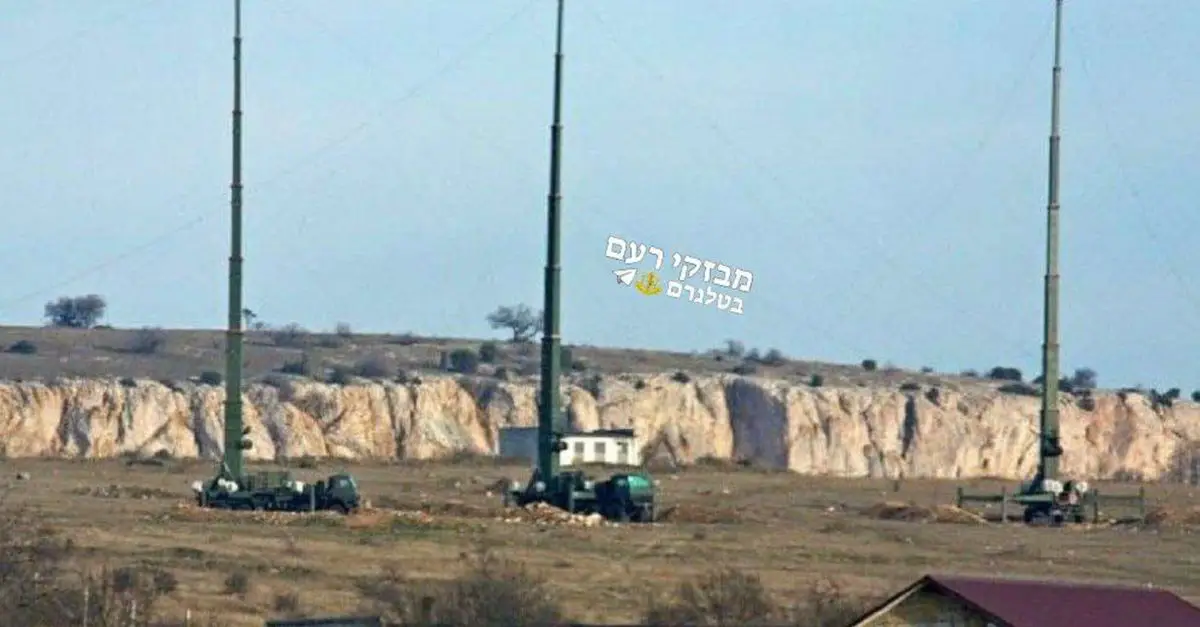
Iran has recently installed several Russian long-range electronic warfare systems, including the Murmansk-BN, one of Russia's most powerful jamming communication systems with an operational reach of up to 5,000 to 8,000 kilometers. (Picture source: Telegram/Ram Reports)
As of August 5, 2024, the situation between Iran and Israel is highly tense and volatile.
On August 5, 2024, OSINTdefender reported that during a meeting with military and defense officials, Israeli Prime Minister Benjamin Netanyahu discussed a potential preemptive strike against Iran.
 Meanwhile, the White House is reportedly in the final stages of approving a shipment of 1,800 Mark-84 2,000lb bombs to Israel. This shipment had been withheld for months following the Israeli invasion of Rafah in southern Gaza.
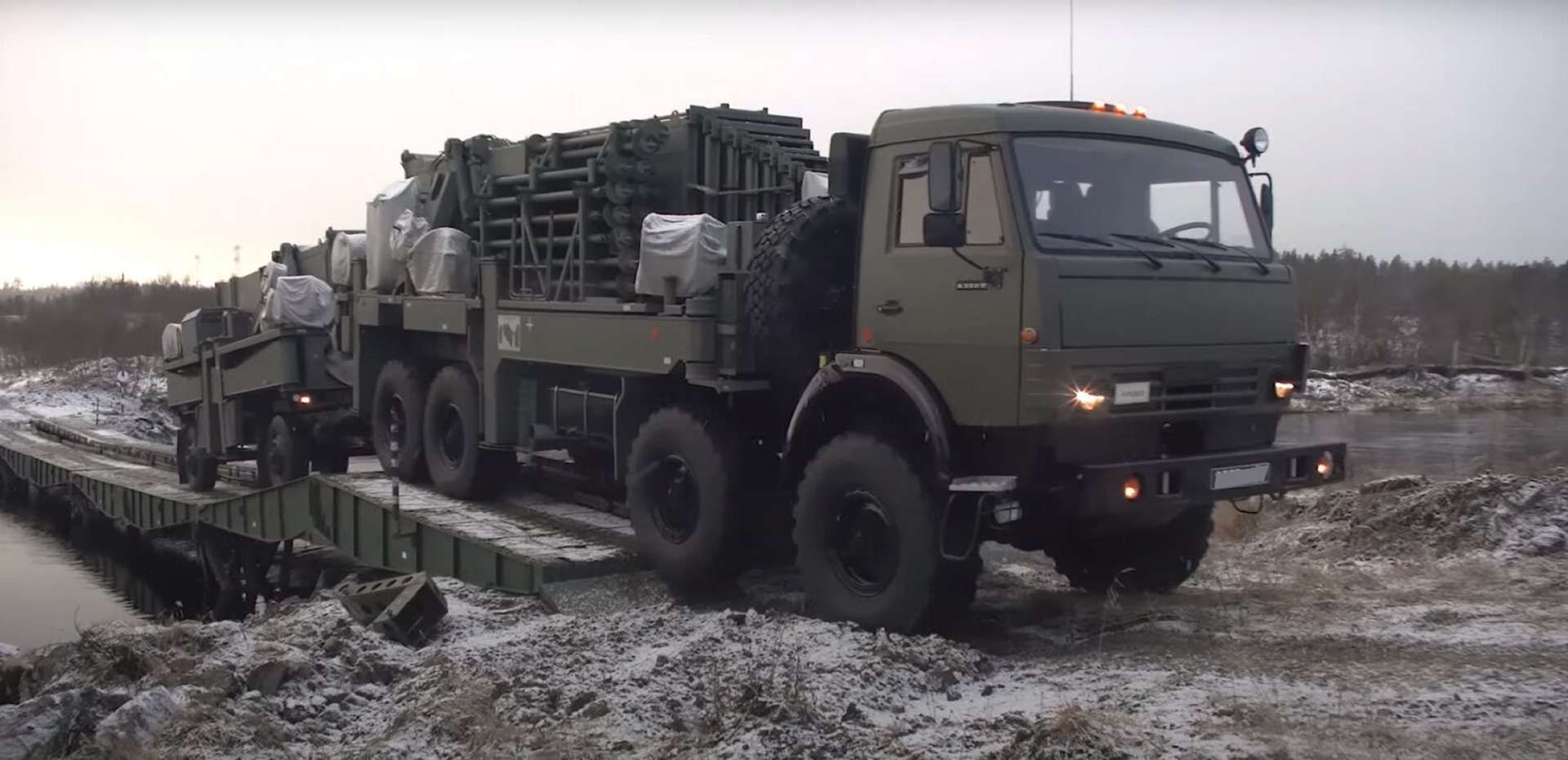
The Murmansk-BN electronic warfare system, which could be deployed in 72 hours, includes multiple vehicle-mounted antenna masts, using Kamaz trucks and trailers, each extending up to 32 meters, covering an area of 640,000 km². (Picture source: Russian MoD)
In response to the heightened tensions between Israel and Iran, several countries have urged their nationals to leave Lebanon, fearing a wider conflict.
The Murmansk-BN is an electronic warfare system developed by the Russian company KRET, intended for long-range communications jamming. It was introduced into service in 2014 and is designed to disrupt NATO and U.S. high-frequency military satellite communications, with a jamming range of 5,000 to 8,000 km. The system includes multiple vehicle-mounted antenna masts, using Kamaz trucks and trailers, each extending up to 32 meters, covering an area of 640,000 km². The Murmansk-BN can intercept and suppress HF signals across the 3-30 MHz range, used by warships and aircraft. Deployment time is 72 hours, and it has impacted U.S. stealth fighter operations over the Black and Baltic Seas by interfering with their avionics. The system operates as part of a network-centric capability within the Russian EW command and control system
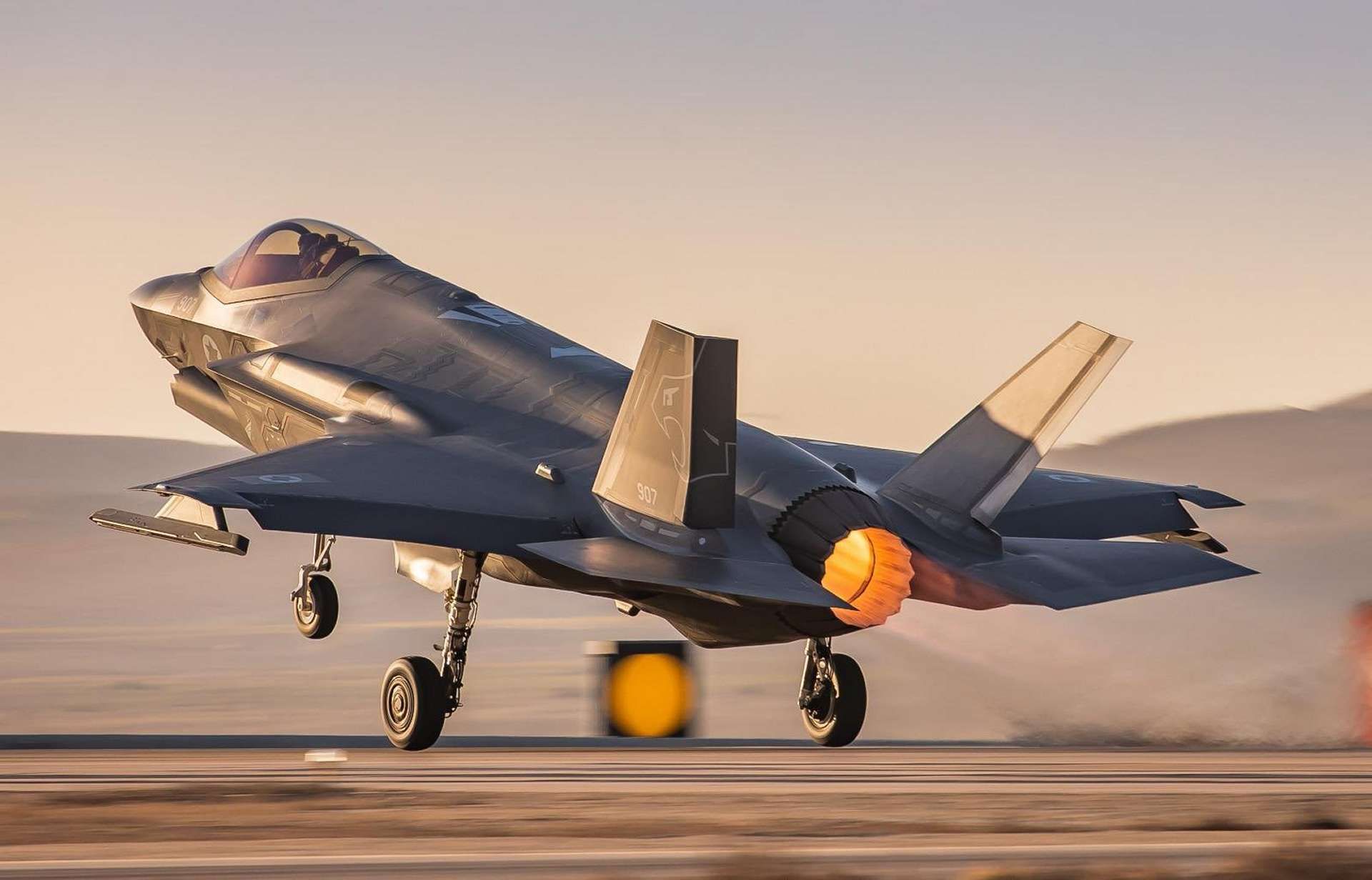
In the Israeli Air Force, the system could interfere with the communication between aircraft and ground control, as well as with the navigation systems of both manned and unmanned aerial vehicles (UAVs), including the F-35I Adir stealth fighter. (Picture source: Israeli Air Force)
The effectiveness of Russian electronic warfare systems has been a topic of considerable attention, especially in light of their use in the ongoing conflict in Ukraine.
For the Israeli military forces, including the Army, Air Force, and Navy, the presence of the Murmansk-BN could pose a significant threat in the case of a more extensive regional conflict. The system's ability to jam HF communications could severely impact the IDF's operational capabilities by disrupting command and control communications, particularly in field operations where reliance on HF radios is critical. This jamming could degrade the IDF's communication infrastructure across multiple branches, thereby potentially reducing operational effectiveness and coordination in military engagements.
In the Israeli Air Force, the system could interfere with the communication between aircraft and ground control, as well as with the navigation systems of both manned and unmanned aerial vehicles (UAVs). This interference could affect mission planning, targeting, and execution, potentially compromising air operations. Specific assets such as the F-35I Adir fighter jets, which use a range of communication systems including HF for mission-critical data exchange, and Hermes 900 UAVs, which rely on secure communication links for navigation, control, and data transmission, could be significantly impacted.
For the Israeli Navy, the Murmansk-BN's capabilities could disrupt ship-to-ship and ship-to-shore communications. This disruption would be particularly problematic for coordination during naval operations and for maintaining situational awareness. Additionally, the system could affect the electronic systems on board naval vessels, impacting navigation and other critical functions. Assets like the Sa’ar 5-class corvettes, which rely on HF communications for various operations, and Dolphin-class submarines, which communicate with command centers via HF signals when surfaced, could find their operational effectiveness impaired.
Follow Army Recognition on Google News at this link
Iran has recently installed several Russian long-range electronic warfare systems, including the Murmansk-BN, one of Russia's most powerful jamming communication systems with an operational reach of up to 5,000 to 8,000 kilometers. (Picture source: Telegram/Ram Reports)
As of August 5, 2024, the situation between Iran and Israel is highly tense and volatile.
- The assassination of Hamas political leader Ismail Haniyeh in Tehran, which Israel is suspected of carrying out, has significantly escalated tensions.
- This event follows the killing of a Hezbollah military official in Beirut by Israeli forces.
- Tehran has threatened significant retaliation against Israel, along with its proxies such as Hezbollah, Hamas, and the Houthis, while Israel has warned of severe retaliatory measures against any such aggression.
On August 5, 2024, OSINTdefender reported that during a meeting with military and defense officials, Israeli Prime Minister Benjamin Netanyahu discussed a potential preemptive strike against Iran.
Such a strike would only be authorized if there was definite intelligence confirming that Iran was about to launch an attack against Israel.

However, half of the shipment, consisting of 1,700 Mark-82 500lb bombs, had already received approval from the Biden Administration in early July. These munitions will be crucial for the Israeli Air Force if a full-scale war breaks out with Hezbollah or Iran.
- The Israeli Defense Forces (IDF) remain on high alert, intercepting numerous rockets and drones launched from Lebanon by Hezbollah.
- Israel has conducted extensive operations in Yemen, Lebanon, and Gaza, targeting Iranian proxies such as the Houthis and Hamas.
These operations are part of a broader Israeli strategy to disrupt and dismantle Iran's network of allies and proxies in the region, following a surprise attack on Israel on October 7, when thousands of Hamas militants breached the Gaza–Israel barrier and attacked Israeli civilian communities and military bases, resulting in the deaths of 1,139 Israelis and foreign nationals, including 815 civilians.
The Murmansk-BN electronic warfare system, which could be deployed in 72 hours, includes multiple vehicle-mounted antenna masts, using Kamaz trucks and trailers, each extending up to 32 meters, covering an area of 640,000 km². (Picture source: Russian MoD)
In response to the heightened tensions between Israel and Iran, several countries have urged their nationals to leave Lebanon, fearing a wider conflict.
The US, the UK, Australia, France, Canada, South Korea, Saudi Arabia, Japan, Turkey, and Jordan have all issued advisories for their citizens to depart Lebanon. The situation has led to the cancellation or suspension of numerous flights at Beirut's only commercial airport.
Further escalations could lead to a more extensive regional conflict, drawing in various state and non-state actors aligned with either Iran or Israel. The international community, including the US and Arab states, is urging both sides to de-escalate, but so far, these calls have had little effect. The situation is aggravated by ongoing internal crises within both countries, which are influencing their aggressive postures.
Further escalations could lead to a more extensive regional conflict, drawing in various state and non-state actors aligned with either Iran or Israel. The international community, including the US and Arab states, is urging both sides to de-escalate, but so far, these calls have had little effect. The situation is aggravated by ongoing internal crises within both countries, which are influencing their aggressive postures.
 |
- The latest report about Iran's deployment of the Murmansk-BN system emerged after continuous flights of Russian transport aircraft between Russia and Iran were observed through flight tracking applications such as Flight Radar.
- These flights are suspected of transporting various unknown weapon systems to Iran.
- The Murmansk-BN system is not only the most powerful electronic warfare (EW) system in the Russian military but also one of the most advanced globally.
- It can jam and intercept enemy radio signals, GPS, communications, and satellite systems, rendering "smart" munitions and drone systems ineffective.

In the Israeli Air Force, the system could interfere with the communication between aircraft and ground control, as well as with the navigation systems of both manned and unmanned aerial vehicles (UAVs), including the F-35I Adir stealth fighter. (Picture source: Israeli Air Force)
The effectiveness of Russian electronic warfare systems has been a topic of considerable attention, especially in light of their use in the ongoing conflict in Ukraine.
- These systems have been credited with neutralizing modern Western military targets and causing significant disruptions to NATO operations.
- Reports indicate that NATO pilots have experienced loss of communication and severe headaches due to the high levels of radiation emitted by these EW systems.
- The West currently lacks effective countermeasures against these advanced Russian EW systems, which continue to be refined and improved based on combat experience.
For the Israeli military forces, including the Army, Air Force, and Navy, the presence of the Murmansk-BN could pose a significant threat in the case of a more extensive regional conflict. The system's ability to jam HF communications could severely impact the IDF's operational capabilities by disrupting command and control communications, particularly in field operations where reliance on HF radios is critical. This jamming could degrade the IDF's communication infrastructure across multiple branches, thereby potentially reducing operational effectiveness and coordination in military engagements.
In the Israeli Air Force, the system could interfere with the communication between aircraft and ground control, as well as with the navigation systems of both manned and unmanned aerial vehicles (UAVs). This interference could affect mission planning, targeting, and execution, potentially compromising air operations. Specific assets such as the F-35I Adir fighter jets, which use a range of communication systems including HF for mission-critical data exchange, and Hermes 900 UAVs, which rely on secure communication links for navigation, control, and data transmission, could be significantly impacted.
For the Israeli Navy, the Murmansk-BN's capabilities could disrupt ship-to-ship and ship-to-shore communications. This disruption would be particularly problematic for coordination during naval operations and for maintaining situational awareness. Additionally, the system could affect the electronic systems on board naval vessels, impacting navigation and other critical functions. Assets like the Sa’ar 5-class corvettes, which rely on HF communications for various operations, and Dolphin-class submarines, which communicate with command centers via HF signals when surfaced, could find their operational effectiveness impaired.